

Many women over 40 are turning to herbal infusions as a gentler, more natural way to manage the physical and emotional changes that come with perimenopause and menopause. It feels intuitive: plants have been used for centuries, and brewing a calming cup of tea feels far less daunting than navigating hormone prescriptions. But here is a truth that most wellness blogs skip over entirely. Not all herbal infusions are risk-free, and the evidence for many popular herbs is far more mixed than the packaging suggests. This article cuts through the noise, explaining what the science actually says, how to use herbal infusions safely, and how to build them into a routine that genuinely supports your wellbeing.
Table of Contents
- What are herbal infusions and why are they so popular?
- Herbal infusions versus conventional treatments for menopause symptoms
- Safety, quality, and what to ask your GP before starting herbal infusions
- How to incorporate herbal infusions into a balanced wellness routine
- What most wellness guides don’t tell you about herbal infusions and menopause
- Explore quality herbal infusions and natural wellness support
- Frequently asked questions
Key Takeaways
| Point | Details |
|---|---|
| Herbal infusions defined | Herbal infusions are drinks made from plant leaves, flowers or roots and are popular among women over 40 seeking natural wellness. |
| Evidence is mixed | Research shows only modest benefits for menopause symptoms compared to placebos or HRT. |
| Safety considerations crucial | Herbal infusions can interact with medicines or cause side effects, so quality checks and GP advice are essential. |
| Start slow and monitor | Introduce herbal infusions gradually, watch for effects, and combine them with other wellness strategies. |
What are herbal infusions and why are they so popular?
An herbal infusion is simply plant material, whether that is dried leaves, flowers, roots, or berries, steeped in hot water to release its active compounds. Unlike conventional tea, which comes from the Camellia sinensis plant, herbal infusions contain no tea leaves at all. They are sometimes called tisanes, though the terms are used interchangeably in everyday conversation. What matters for women in their 40s and beyond is that these infusions can deliver plant compounds directly and conveniently, making them one of the most accessible forms of natural wellness support available.
Women in their 40s and 50s are among the fastest-growing groups exploring herbal infusions. Why? Because the perimenopausal transition brings a wave of symptoms, including poor sleep, low energy, mood shifts, digestive changes, and hot flushes, that can feel unrelenting. Many women feel dismissed in GP appointments, want to avoid or delay HRT, or simply want to support their body more holistically. Herbal infusions feel approachable, affordable, and culturally familiar in ways that pharmaceutical options often do not.
Popular herbs used in infusions for women at this life stage include:
- Red clover: Contains isoflavones, plant compounds structurally similar to oestrogen, traditionally used for hot flushes
- Black cohosh: A North American root with a long history of use for menopausal symptoms, especially night sweats
- St John’s Wort: Widely used for low mood and anxiety, though it carries significant interaction risks with medications
- Valerian root: Commonly chosen to support sleep quality and ease anxiety
- Peppermint and ginger: Used for digestive comfort, bloating, and nausea, which are common complaints in perimenopause
The health benefits of herbal teas extend beyond symptom relief into general wellness support, which is why they have become a staple in so many morning and evening routines. Cultural shifts towards plant-based living, alongside growing interest in Caribbean and Asian wellness traditions, have also brought fresh visibility to ingredients and blends that were once considered niche.
“There has been a genuine cultural shift in how women approach midlife health. Herbal infusions represent autonomy, tradition, and a desire to work with the body rather than simply medicate it.” — Caribella Wellness Team
Exploring herbal teas for women’s wellbeing is a strong starting point if you are trying to understand which blends suit your specific needs, whether that is energy support in the morning or winding down before bed.
Herbal infusions versus conventional treatments for menopause symptoms
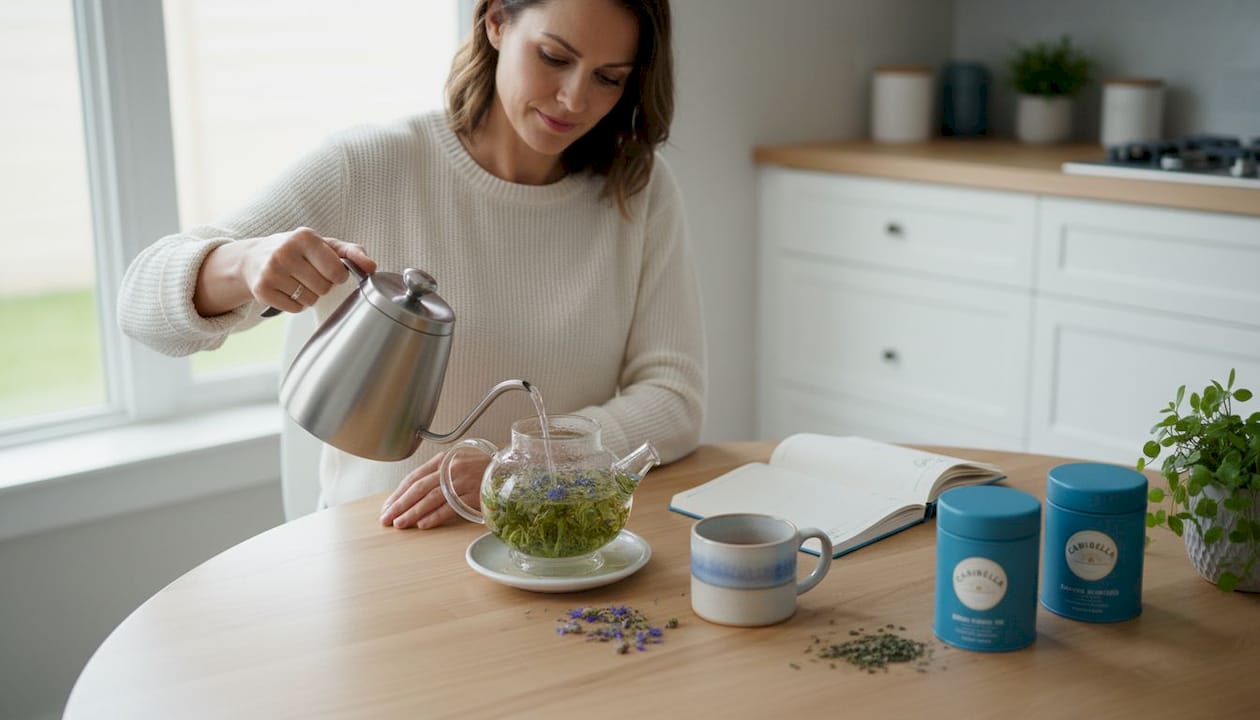
Understanding why women love herbal infusions is one thing. Knowing how they actually compare to conventional treatments is quite another, and this is where clarity matters most.
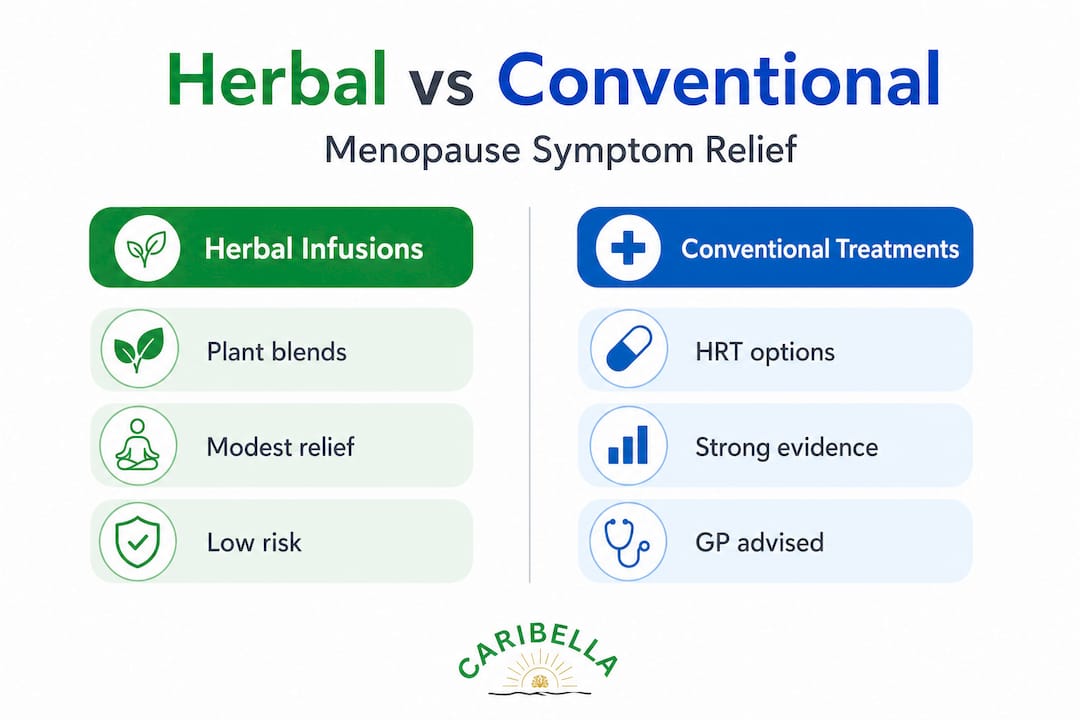
The evidence for herbal infusions in managing menopause symptoms is genuinely mixed. Black cohosh, for instance, has been studied more than most herbs, yet evidence for its effectiveness shows only modest benefits compared to placebo, with significant variation across studies due to differences in product quality, dosing, and study design. The British Menopause Society notes that while specific herbal teas may offer modest relief for hot flushes, they are not as effective as HRT, and evidence remains inconsistent. This does not mean herbal infusions have no place in your routine. It means going in with realistic expectations.
Here is a practical comparison to help you think through your options:
| Approach | Evidence level | Key benefits | Practical considerations |
|---|---|---|---|
| HRT | Strong | Most effective for hot flushes, sleep, mood | Requires GP prescription; not suitable for all |
| Cognitive Behavioural Therapy (CBT) | Good | Helps with mood, anxiety, sleep | Requires sessions; some NHS availability |
| Herbal infusions (e.g. black cohosh) | Mixed/modest | Gentle support; accessible; low cost | Quality varies; interaction risks exist |
| Lifestyle changes (diet, movement) | Good | Wide-ranging wellbeing benefits | Requires sustained effort and consistency |
The British Menopause Society and Women’s Health Concern both prioritise non-herbal alternatives such as CBT and prescribed non-hormonal medications over herbal options for women with moderate to severe symptoms. This is an important nuance that wellness content often glosses over.
That said, for women with mild symptoms, or for those using herbal infusions alongside evidence-based approaches, they can absolutely play a supportive role. The key is not replacing what works with what is appealing.
Pro Tip: If you are curious about the clinical evidence behind specific herbs, Caribella’s guide to herbal teas for menopause breaks down the research in plain language so you can make genuinely informed choices.
Safety, quality, and what to ask your GP before starting herbal infusions
Once you understand how herbal infusions compare to other options, the next essential step is ensuring you use them safely. This is where the “natural equals safe” assumption can cause real harm.
The NHS is explicit on this point: herbal medicines carry risks including side effects, drug interactions, and in rare but serious cases, liver damage. Black cohosh, for example, has been linked to rare hepatotoxicity (liver injury). St John’s Wort is well-documented to interact with antidepressants, blood thinners, contraceptives, and some cancer treatments. These are not theoretical concerns. They are reasons to treat herbal infusions with the same respect you would give any active substance.
In the UK, the Traditional Herbal Registration (THR) mark is your most reliable quality indicator. Women’s Health Concern recommends THR-marked products for safety and warns against unregulated products that may contain incorrect doses or unlisted ingredients. If a product does not carry the THR mark, you genuinely cannot be certain of its contents or potency.
Here are the most important situations where you should speak with your GP before starting any herbal infusion:
- You are currently taking HRT or prescribed hormonal contraception
- You take blood thinners such as warfarin
- You have a personal or family history of breast, ovarian, or hormone-sensitive cancers
- You have liver or kidney conditions
- You are pregnant or trying to conceive
- You take antidepressants or anxiety medications
Questions worth asking your GP include:
- “Are there any herbs I should avoid given my current medications?”
- “Could this interact with my HRT dosage or effectiveness?”
- “Are there any liver function tests I should have before starting?”
- “Is there a THR-marked product you would recommend for my specific symptoms?”
“The NHS Yellow Card Scheme allows patients and healthcare professionals to report suspected side effects from herbal medicines, helping to build the evidence base for safety monitoring across the UK.” — MHRA
Pro Tip: Take a photograph of the product label before your GP appointment. Your doctor can quickly identify concerning ingredients or flag known interactions before you have even opened the packet.
If you want a deeper breakdown of which herbal supplements are appropriate for women over 40, the herbal supplements guide covers dosing, red flags, and how to source responsibly. For a step-by-step framework for reviewing safety before starting any new herbal remedy, the safe herbal remedies workflow is particularly useful.
How to incorporate herbal infusions into a balanced wellness routine
After speaking with your GP and choosing a quality product, the final piece is knowing how to use herbal infusions in a way that genuinely supports your health rather than replacing more impactful habits.
The NHS advises that women in perimenopause consult a GP before incorporating herbal infusions, particularly if they have any of the conditions or medication interactions mentioned above. Assuming you have that sign-off, here is a practical approach to getting started:
- Start with one herb at a time. Introducing multiple new herbs simultaneously makes it impossible to identify what is helping or causing any adverse reaction. Choose one, such as valerian for sleep or ginger for digestion, and stick with it for four weeks.
- Begin with a lower frequency. Start with two to three cups per week rather than daily use. This gives your body time to adjust and helps you notice any early signs of intolerance.
- Keep a symptom diary. Note your sleep quality, mood, digestive comfort, and any symptoms you were hoping to address. Review after four weeks to assess whether anything has genuinely shifted.
- Pair infusions with complementary habits. Herbal teas work best alongside good sleep hygiene, regular movement, and a diet rich in phytoestrogen-containing foods such as flaxseeds and soya.
- Review and adjust monthly. After your first month, decide whether to continue, change the herb, adjust frequency, or introduce a second complementary infusion.
Here is a sample weekly schedule to give you a practical starting point:
| Day | Morning | Evening | Notes |
|---|---|---|---|
| Monday | Peppermint (digestion) | Valerian (sleep) | Observe energy levels |
| Tuesday | Ginger (nausea, warmth) | Chamomile (calm) | Note mood at bedtime |
| Wednesday | Rest from herbal infusions | Rest | Allow the body to reset |
| Thursday | Red clover (hormonal balance) | Valerian (sleep) | Track hot flush frequency |
| Friday | Peppermint or ginger | Chamomile | Digestive check |
| Weekend | Flexible based on symptoms | Flexible | Review symptom diary |
For women managing energy dips common in perimenopause, herbal teas for energy offers targeted guidance on which blends provide genuine invigoration without the cortisol spike of caffeine. For those dealing with bloating or digestive discomfort, herbal teas for digestive support is worth bookmarking.
The most sustainable approach treats herbal infusions as one thread in a wider tapestry of wellbeing. They are not a fix. They are a supportive ritual, and that distinction matters enormously.
What most wellness guides don’t tell you about herbal infusions and menopause
We have covered the evidence, the safety steps, and the practical scheduling. Now for the honest part.
Many women come to herbal infusions after reading glowing testimonials online or seeing influencer content about a specific blend that “changed everything.” The reality is often more nuanced, and that gap between expectation and experience can be genuinely disheartening. We have heard from many women who tried black cohosh for three months, felt minimal change, and concluded that natural wellness simply did not work for them. That is not the right conclusion to draw.
Here is what those wellness guides leave out. First, placebo effects in herbal medicine studies are remarkably strong, often producing a 30 to 40 per cent improvement in self-reported symptoms. This is not a criticism of the women experiencing relief. It is actually an argument for the power of ritual, intention, and self-care. Second, product quality varies dramatically. Two products both labelled as “red clover extract” may contain wildly different concentrations of active isoflavones. Without the THR mark, you are essentially guessing.
Third, and most critically, herbal infusions work best when they are part of a broader shift in how you care for yourself, not a standalone remedy. The women who report the most meaningful improvements are typically those who have also improved their sleep hygiene, reduced alcohol intake, added regular walking, and addressed stress. The tea is one piece of a larger picture.
Our perspective at Caribella is that transparency serves women far better than hype. Exploring natural wellness options honestly, including what the evidence supports and where the gaps are, helps you build a routine that actually holds up over time rather than one that fades after a few disappointed weeks. We also believe that ingredients like sea moss, with its broad nutritional profile, deserve more attention in the conversation around midlife wellness. The sea moss benefits article explores this in detail if you want a fuller picture of what plant-based nutrition can genuinely offer at this stage of life.
The most empowering thing you can do is approach herbal infusions with curiosity rather than desperation, track what actually shifts for you, and stay connected to your GP throughout.
Explore quality herbal infusions and natural wellness support
If this article has helped you see herbal infusions more clearly, and you are ready to choose products you can genuinely trust, Caribella is a natural next step.
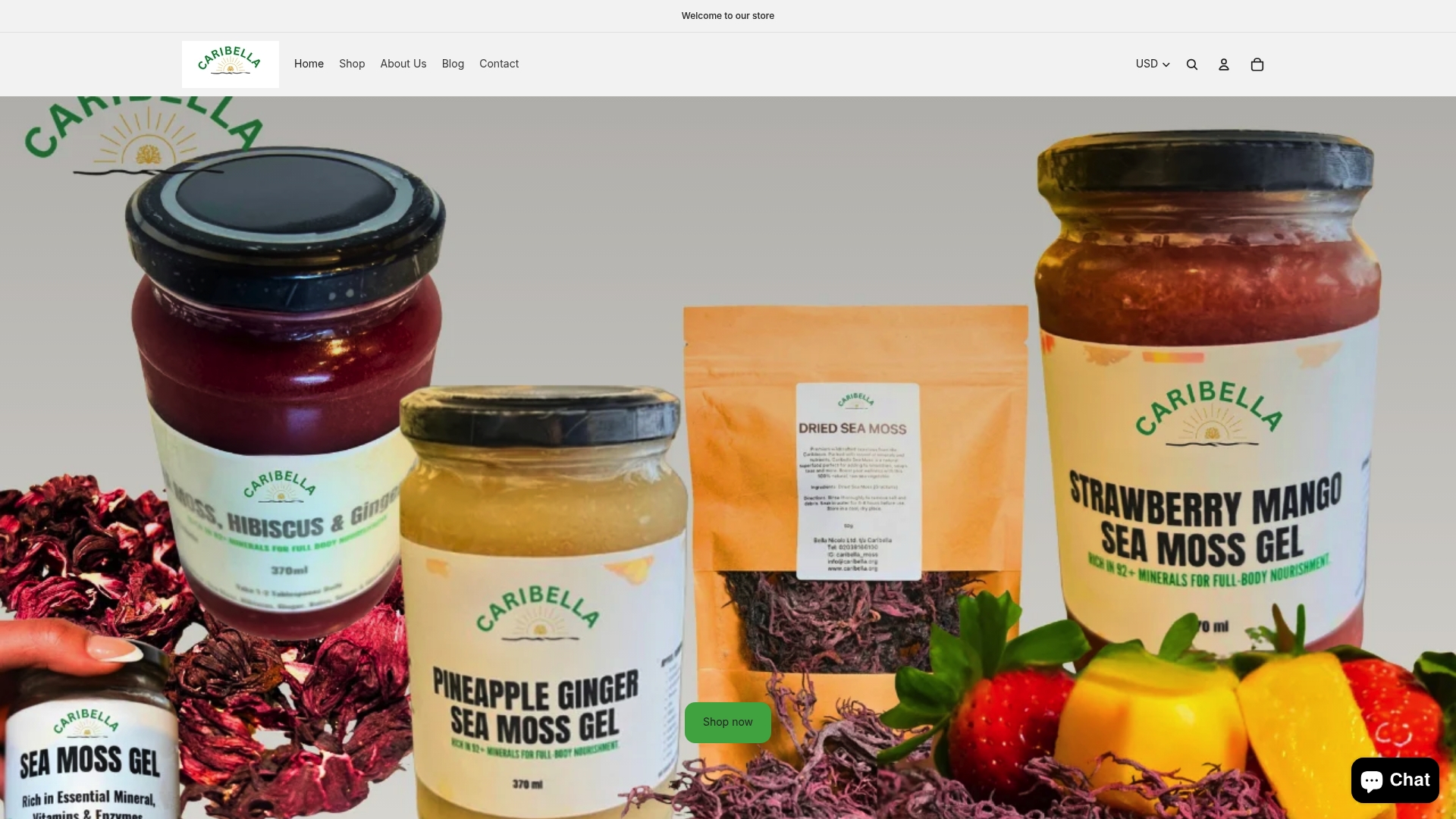
Our Caribella herbal teas are crafted with care, drawing on Caribbean plant traditions and a commitment to quality that aligns with the guidance in this article. Each blend is made from carefully selected natural ingredients designed to support energy, digestion, and calm at every stage of the menopause journey. If you are also looking for broader hormonal support alongside your herbal routine, our hormone balancing capsules offer a convenient, plant-based complement to your daily wellness practice. Browse with confidence, knowing that quality and transparency are at the heart of everything we make.
Frequently asked questions
Are herbal infusions safe to use with HRT or other medicines?
Some herbal infusions can interact with HRT or prescribed medications, making it essential to check with your GP before adding any new herb to your routine. The NHS advises caution around interactions, particularly with St John’s Wort and blood thinners.
Can herbal infusions completely replace HRT for managing menopause symptoms?
Current evidence shows herbal infusions offer only modest relief and should not be used as a substitute for HRT. The BMS notes herbal teas are less effective than HRT for managing hot flushes and other significant symptoms.
How can I choose a safe herbal infusion product in the UK?
Always look for the THR (Traditional Herbal Registration) mark and steer clear of unregulated herbal products. Women’s Health Concern specifically recommends THR-marked products to ensure consistent quality and safety for women using herbal options for menopause.
What are the most popular herbal infusions for women over 40?
Black cohosh, red clover, and St John’s Wort are among the most commonly used, though the BMS confirms evidence is mixed and results vary considerably between individuals and product formulations.