

Fatigue hits you before noon. Digestion feels unpredictable. And the idea of adding yet another medication to your routine feels exhausting rather than helpful. For many women over 40, the search for a natural, gentler approach to managing menopausal symptoms is completely understandable. But the world of herbal remedies is crowded with bold claims and surprisingly little solid guidance. This article walks you through a practical, evidence-aware workflow for using herbal solutions safely, covering what the research actually says, how to choose quality products, and how to monitor your progress step by step.
Table of Contents
- Understanding herbal remedies for menopause: evidence and risks
- Preparation: how to select safe herbal products and get started
- Step-by-step herbal remedies workflow
- Troubleshooting and adjusting: side effects, interactions, and what to do if results are lacking
- A personal take: why ‘natural’ must still mean safe, evidence-based, and supported
- Herbal wellness solutions that support your journey
- Frequently asked questions
Key Takeaways
| Point | Details |
|---|---|
| Prioritise safety first | Always consult a health professional and choose THR-marked products before starting herbal remedies. |
| Integrate with lifestyle | Herbal support works best when combined with healthy diet, exercise, and good sleep. |
| Monitor interactions | Be vigilant about side effects and potential drug interactions—especially if you have underlying conditions. |
| Track and adjust | Keep notes on benefits and side effects, and make changes or stop if results are unsatisfactory. |
| Evidence varies | Not all remedies are equal—set realistic expectations and be willing to consider other options if needed. |
Understanding herbal remedies for menopause: evidence and risks
With the challenge in mind, let’s look at how the most discussed herbal solutions actually measure up.
Herbal remedies have been used for centuries to manage the symptoms of perimenopause and menopause, from hot flushes and poor sleep to low energy and digestive discomfort. But popularity does not equal proof. Systematic reviews show promising but limited evidence for black cohosh, and no convincing evidence overall for most herbals due to poor trial quality. That is not a reason to dismiss them entirely. It is a reason to use them wisely.
Here is a summary of what the evidence currently looks like for commonly used herbs:
| Herb | Potential benefit | Evidence quality | Key risk |
|---|---|---|---|
| Black cohosh | Hot flush reduction | Moderate, inconsistent | Rare liver concerns |
| Red clover isoflavones | Mild hot flush relief | Limited | Caution with hormone-sensitive conditions |
| St John’s Wort | Mood and vasomotor relief | Moderate | Serious drug interactions |
| Ginseng | Energy and cognitive support | Limited | Blood pressure effects |
| Valerian | Sleep quality | Mixed | Drowsiness, interactions |
Product quality is a significant concern, particularly in the UK. UK guidelines recommend seeking Traditional Herbal Registration (THR) marked products for safety, quality, and dosage assurance. The THR symbol tells you the product has been assessed for purity and consistency, which unregulated supplements simply cannot guarantee.
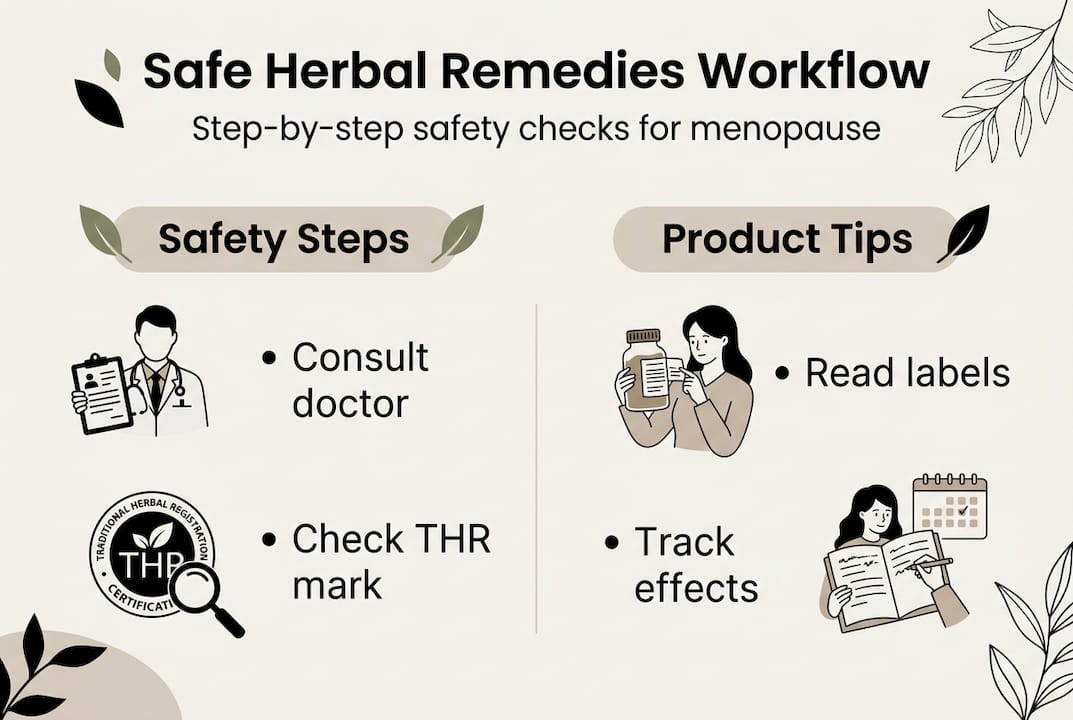
It is also worth being honest about what herbals can and cannot do. They are not a replacement for hormone replacement therapy (HRT) in cases where symptoms are moderate to severe. NHS menopause advice confirms that lifestyle changes remain the first-line approach, with HRT as the most effective medical treatment. Herbal remedies may offer meaningful support alongside those foundations, particularly for women who cannot or choose not to use HRT.
Who should be especially cautious?
- Women with a history of breast cancer or hormone-sensitive conditions
- Anyone taking prescribed medicines such as antidepressants or blood thinners
- Those using tamoxifen (St John’s Wort reduces its effectiveness significantly)
- Women with liver conditions considering black cohosh
“Herbal remedies should be seen as part of a broader wellness strategy, not a standalone cure. Speak to your GP before starting anything new.”
If you are curious about menopause herbal tea options, it is worth understanding the evidence base before you brew your first cup.
Preparation: how to select safe herbal products and get started
Once you know the landscape, choosing and preparing to use the right herbal solutions comes next.
Before you order anything online or pick something off a shelf, there are a few important steps. NHS advice confirms that consulting your doctor before taking herbal supplements is essential, particularly if you are managing other health conditions or taking regular medication.
Here is a practical preparation checklist:
- Book a GP or menopause specialist appointment to discuss your symptoms and any current medications
- Make a list of all supplements, herbal products, and medicines you already take
- Note any known allergies, particularly to plants in the daisy or legume families
- Research the THR mark and check any product you are considering carries it
- Decide on one symptom to target first rather than tackling everything at once
When it comes to specific herbs, safety notes matter enormously. Avoid black cohosh and St John’s Wort if you have a history of breast cancer or are taking tamoxifen, as unregulated products also pose purity and dosage risks. This is not overly cautious advice. It is protective.
| Herb | Primary use | Safety note |
|---|---|---|
| Black cohosh | Hot flushes, night sweats | Avoid in breast cancer; monitor liver |
| St John’s Wort | Low mood, vasomotor symptoms | Major interactions with many drugs |
| Red clover | Hot flushes, bone support | Caution in hormone-sensitive conditions |
| Valerian | Sleep difficulties | Avoid with sedatives |
| Ginseng | Energy, mental clarity | Monitor blood pressure |
Always keep the packaging for any herbal product you try. It contains the batch number, ingredients list, and dosage information your GP will need if you ever have to report a reaction.
Pro Tip: Start a simple notes document or notebook the day you begin a new herbal remedy. Write down the date, the product name, dosage, and how you feel. This makes it far easier to spot patterns over time.

Exploring herbal tea benefits can be a gentle starting point, particularly if you prefer a daily ritual over capsules.
Step-by-step herbal remedies workflow
Now you are ready to try. Here is a practical workflow for using herbal remedies confidently.
Following a clear process protects you from the common pitfalls: starting too many things at once, missing early warning signs, or abandoning a remedy before giving it a fair trial. Here is the workflow we recommend:
- Consult your GP or menopause specialist before starting any herbal remedy, especially if you take prescription medicines
- Choose a THR-marked product from a reputable supplier to ensure consistent quality and accurate dosing
- Start with one remedy targeting your most disruptive symptom, whether that is disturbed sleep, hot flushes, or low energy
- Monitor for interactions and side effects during the first two to four weeks, noting anything unusual in your wellness journal
- Combine with lifestyle support including regular movement, a fibre-rich diet for digestion, and stress reduction practices
- Reassess at six weeks and decide whether to continue, adjust, or discontinue based on your experience
- Discontinue if there is no benefit or adverse effects appear, and consider non-herbal alternatives such as cognitive behavioural therapy (CBT) or NHS support programmes
This herbal remedies workflow reflects guidance from the Women’s Health Concern, reinforcing that structured, monitored use is far safer than ad hoc supplementation.
For energy specifically, herbal teas for energy can complement your routine in a low-risk way. Sea moss, for example, is increasingly popular for its mineral content. Read about Irish moss benefits and, if you want to try it at home, there is a practical guide to making sea moss gel.
Emerging ashwagandha research also suggests benefits for stress resilience and energy in midlife women, though more large-scale trials are still needed.
Pro Tip: Introduce only one new remedy every four to six weeks. This gives your body time to respond and makes it much easier to identify what is actually helping.
Troubleshooting and adjusting: side effects, interactions, and what to do if results are lacking
Every workflow needs a back-up plan. Here is how to troubleshoot and when to change course.
Herbal remedies do not suit everyone. Symptoms can shift during perimenopause, so something that helped in one phase may become less relevant or even problematic later. Knowing what to watch for means you stay in control rather than reacting in a panic.
Common warning signs to monitor include:
- Nausea, headaches, or skin rashes within the first week of starting a new product
- Changes to your menstrual cycle or unusual spotting
- Mood changes, heightened anxiety, or disrupted sleep patterns
- Any new symptoms that follow closely after starting a remedy
- Reduced effectiveness of prescribed medicines
St John’s Wort deserves particular attention. It may relieve vasomotor symptoms, including in some breast cancer patients, but significant drug interactions, including reducing tamoxifen efficacy, mean it is not routinely recommended by the British Menopause Society.
What should you do if you feel worse or see no results?
- Stop the product immediately and note the date and your symptoms
- Keep the packaging so you can reference the exact product if your GP needs details
- Do not replace one herbal remedy with three others hoping for a better outcome
- Contact your GP and, if appropriate, report the product via the MHRA Yellow Card scheme
- Consider non-herbal alternatives such as CBT, which has good evidence for hot flush management, or discuss prescription options with your doctor
“Natural does not automatically mean safe for every individual. Your medical history, current medicines, and personal circumstances all shape what is appropriate for you.”
For those returning from illness or high stress, herbal tea for recovery may offer gentle transitional support while you reassess your broader plan.
A personal take: why ‘natural’ must still mean safe, evidence-based, and supported
Having navigated the steps and potential pitfalls above, here is an honest perspective worth sitting with.
The appeal of herbal remedies is real. They feel accessible, gentle, and aligned with the kind of holistic approach many women over 40 are drawn to. But ‘natural’ is not a guarantee of safe. Plenty of natural substances carry genuine risks, particularly when combined with prescribed medicines or used without quality assurance.
What we have learned, both from the evidence and from listening to women navigating this stage of life, is that empowerment does not come from avoiding medical guidance. It comes from using that guidance to make informed, confident choices. Feeling free to try something new is wonderful. Doing so with a GP’s input, a THR-marked product, and a clear monitoring plan makes it genuinely empowering rather than a leap of faith.
Your body during perimenopause is changing in ways that deserve attention and care. Explore herbal remedies guidance with curiosity, but bring your whole health picture with you.
Herbal wellness solutions that support your journey
To continue your wellness journey with added support, here are some trusted options from Caribella.
At Caribella, we understand that women over 40 need products that are thoughtfully made, not just marketed well. Our range is rooted in Caribbean herbal tradition and designed to complement the kind of structured, mindful approach described in this workflow.
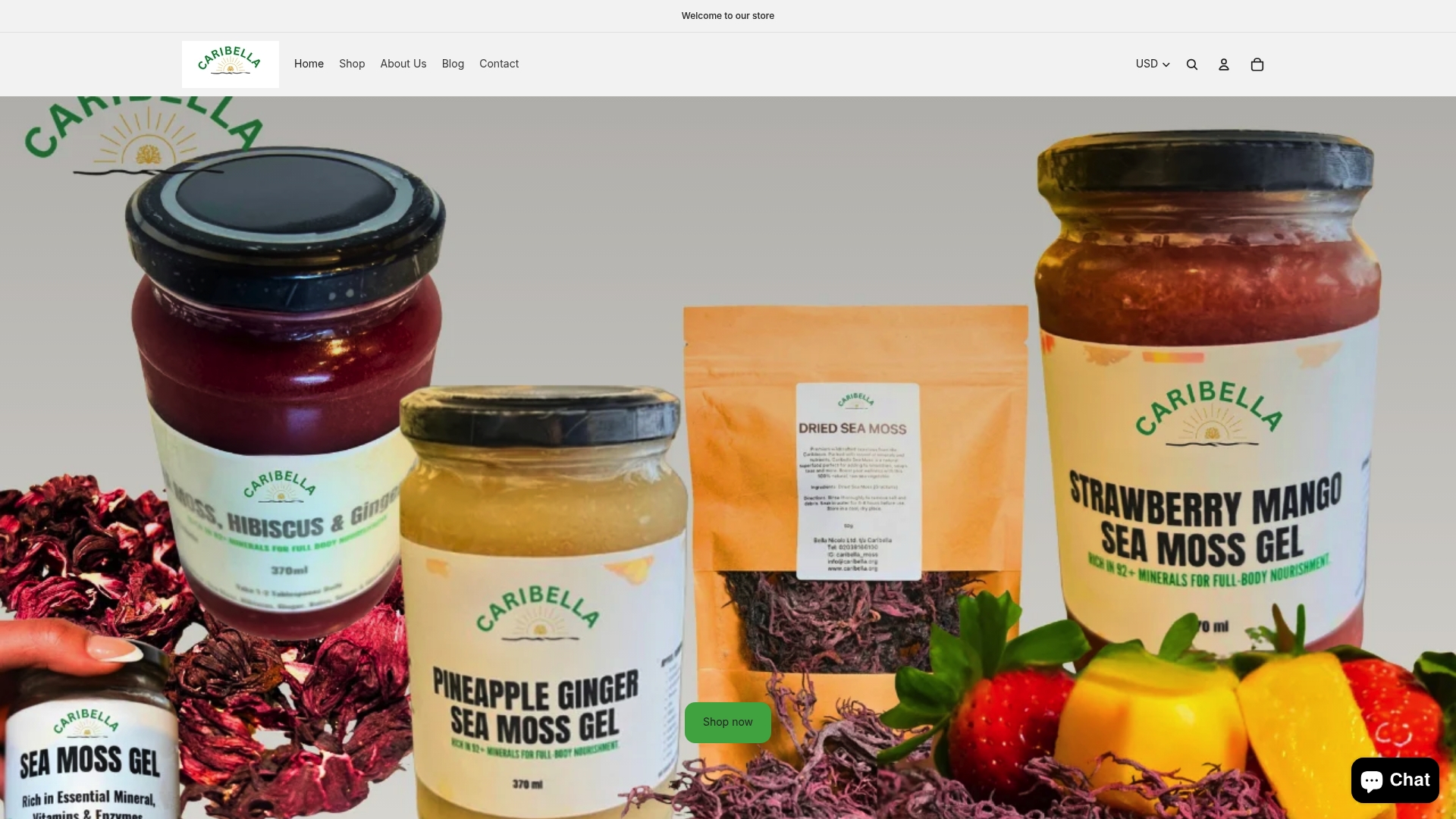
If you are supporting hormonal balance, our hormone balancing capsules are a considered starting point. For a daily ritual that supports energy and calm, explore our full range of herbal tea blends, including our women’s wellness tea, blended specifically with perimenopausal and menopausal women in mind. Every product is made with quality ingredients you can feel good about.
Frequently asked questions
Are herbal remedies a safe replacement for HRT during menopause?
Most herbal remedies rank below HRT in effectiveness, and some carry genuine safety risks. Always discuss your options with your GP before making a decision.
What does the THR symbol mean on herbal products?
THR (Traditional Herbal Registration) is a UK quality mark confirming the product meets standards for safety and dosage. It does not prove clinical effectiveness, but it does confirm what is in the product matches what is on the label.
Should I avoid any herbs during menopause if I have a history of breast cancer?
Yes. Avoid black cohosh, red clover, soy isoflavones, and St John’s Wort if you have had breast cancer or are on tamoxifen. Always seek advice from your menopause specialist.
What steps should I take if I notice side effects from a herbal remedy?
Stop the product immediately, record your symptoms with dates, and contact your GP for guidance on what to do next. You can also report the product to the MHRA Yellow Card scheme.