

Menopause can feel like your body has rewritten all its own rules overnight. Hot flushes, broken sleep, mood swings, bloating — the list is long, and the search for relief is real. Herbal teas sit at the top of many women’s lists because they feel familiar, gentle, and rooted in generations of plant-based wisdom. But the evidence is genuinely mixed, and not every tea lives up to its reputation. This guide cuts through the noise, helping you understand which teas have real support behind them, how to choose safely, and what to realistically expect.
Table of Contents
- How to choose the best herbal teas for menopause relief
- Top evidence-backed herbal teas for menopause symptoms
- The science and mechanisms: how do these teas work?
- Comparing the options: how do herbal teas stack up for menopause?
- Our take: why herbal teas can support your wellbeing, but aren’t a cure-all
- Try safe, effective herbal teas for menopause support
- Frequently asked questions
Key Takeaways
| Point | Details |
|---|---|
| Best for hot flushes | Sage tea shows the strongest evidence for reducing hot flushes and night sweats. |
| Mood and sleep support | Chamomile tea can help with mood swings, sleep issues, and mild anxiety. |
| Safety comes first | Always consult your doctor before trying herbal teas due to mixed evidence and potential risks. |
| Personalised choices | Choose teas based on your symptoms and buy from reputable UK sources for safety. |
How to choose the best herbal teas for menopause relief
Choosing a herbal tea for menopause is not as simple as picking the prettiest tin on the shelf. The most useful starting point is your main symptoms. Different herbs target different complaints, so matching the tea to your experience makes a real difference.
Here is a quick guide to matching symptoms with ingredients:
- Hot flushes and night sweats: Look for sage, red clover, or sage-based blends.
- Anxiety and poor sleep: Chamomile, lemon balm, and valerian are worth exploring.
- Bloating and digestive discomfort: Peppermint and fennel are well-regarded options.
- Heavy periods or mineral depletion: Nettle is a strong candidate.
- General hormone balance support: Blends containing phytoestrogenic herbs may help.
Beyond matching symptoms, quality matters enormously. Herbal teas in the UK are not regulated as medicines. That means no product has to prove it works before it reaches the shelf. Some blends may contain contaminants, incorrect dosages, or undisclosed additives. Always buy from reputable UK-based suppliers who are transparent about sourcing and ingredients.
The NHS menopause tips are clear: evidence for herbal remedies is limited and mixed, and you should speak to your GP before starting any herbal product, particularly if you take prescribed medication. This is not a formality — some herbs interact with common medicines including blood thinners and antidepressants.
If you are looking for a starting point alongside NHS guidance for herbal supplements, combining professional advice with a well-sourced product gives you the safest foundation.
Pro Tip: Keep a simple symptom diary for two weeks before choosing a tea. Noting which symptoms appear most often and when will help you pick a blend that is actually relevant to your experience, rather than one that sounds appealing on the packaging.
Top evidence-backed herbal teas for menopause symptoms
Once you know what to look for, it helps to focus on the herbal teas with the best supporting evidence. Here are the four most studied options.
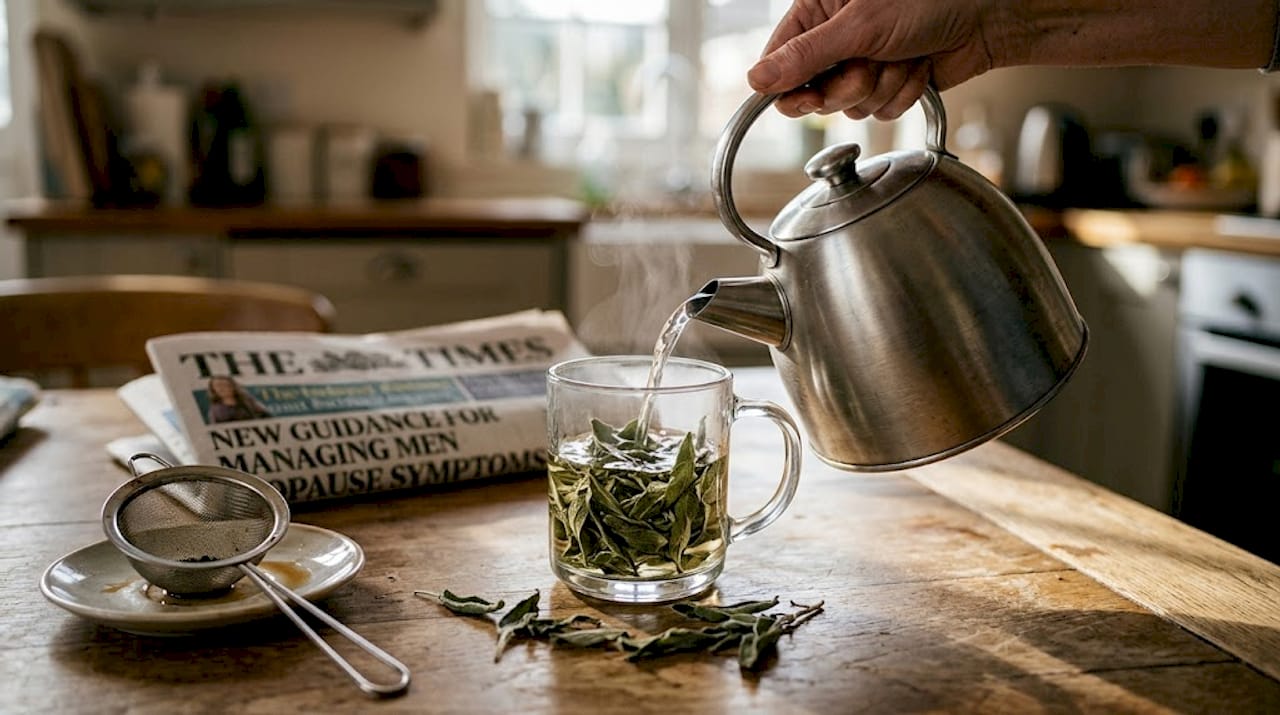
Sage is consistently highlighted as one of the strongest choices. Sage tea is widely recommended for reducing hot flushes and night sweats, with one trial reporting a 64% drop in flush intensity. That is a meaningful result. The active compounds in sage appear to act on the nervous system in ways that help regulate body temperature. A women’s wellness tea for hormone support that includes sage is worth considering if hot flushes are your main concern.
Chamomile is far more than a bedtime ritual. Chamomile tea has shown benefits for mood swings, anxiety, sleep quality, and may ease vasomotor symptoms such as flushing. It works gently, which makes it a good daily option. Caribella’s calming herbal infusions are designed with this kind of daily comfort in mind.
Peppermint is not typically associated with hormonal symptoms, but its role in managing bloating and digestive discomfort during menopause is well established. Many women find that gut symptoms worsen during perimenopause, and peppermint tea for digestion can offer real, noticeable relief.
Nettle is often overlooked, but it is rich in iron, calcium, and magnesium — minerals that become especially important when heavy periods are depleting your stores. It is a practical, nutritive tea rather than a hormonal one.
Here is a summary:
- Sage: Best for hot flushes and night sweats
- Chamomile: Best for sleep, anxiety, and mood
- Peppermint: Best for bloating and digestion
- Nettle: Best for mineral support and heavy bleeding
Pro Tip: Rotating between two or three teas throughout the day rather than drinking one exclusively can give you broader symptom coverage without overloading on any single compound.
The science and mechanisms: how do these teas work?
What actually happens in your body when you sip these teas? The mechanisms are more specific than most people realise.
Some herbs contain phytoestrogens, plant compounds that loosely mimic oestrogen in the body. When oestrogen levels drop during menopause, phytoestrogens can partially compensate by binding to oestrogen receptors. Red clover and sage both contain these compounds. The effect is much weaker than pharmaceutical oestrogen, but for mild symptoms, it can be enough to notice a difference.
Sage also appears to modulate neurotransmitters involved in temperature regulation, which is why it specifically targets hot flushes rather than acting as a general hormone supplement. This is a more targeted mechanism than many people expect from a herbal tea.
Chamomile works differently. It acts on GABA receptors in the brain, the same receptors targeted by anti-anxiety medications, though far more gently. This is why chamomile promotes a sense of calm and supports sleep without sedating you. Its anti-inflammatory properties add an additional layer of benefit for women experiencing joint discomfort or mood instability.
Peppermint and nettle operate through entirely different pathways. Peppermint relaxes smooth muscle in the digestive tract, reducing cramping and bloating. Nettle provides direct nutritional support rather than hormonal interaction.
| Herb | Active mechanism | Primary benefit |
|---|---|---|
| Sage | Phytoestrogens, neurotransmitter modulation | Hot flushes, night sweats |
| Chamomile | GABAergic activity, anti-inflammatory | Sleep, anxiety, mood |
| Peppermint | Smooth muscle relaxation | Bloating, digestion |
| Nettle | Mineral content (iron, calcium, magnesium) | Nutritive support |
Individual responses vary significantly. Two women with identical symptoms may respond very differently to the same tea, depending on their gut microbiome, hormone levels, and overall health. This is why patience and observation matter more than following a rigid protocol.
You can explore a wider range of options in more menopause herbal teas if you want to experiment with different combinations.
Comparing the options: how do herbal teas stack up for menopause?
Now that you know how each tea works, here is how the leading options compare side by side.
| Tea | Symptom target | Evidence strength | Key cautions |
|---|---|---|---|
| Sage | Hot flushes, sweats | Moderate | Avoid in high doses; not for epilepsy |
| Chamomile | Sleep, anxiety, mood | Moderate | Possible allergy in ragweed-sensitive women |
| Peppermint | Digestion, bloating | Good | Avoid with acid reflux in large amounts |
| Nettle | Mineral support | Nutritive | Generally well tolerated |
| Black cohosh | Hot flushes | Mixed/weak | Liver concerns; not recommended long-term |
Black cohosh deserves a specific mention because it is heavily marketed for menopause. The Cochrane review found no significant benefit over placebo for hot flushes, and there are real concerns about liver safety with prolonged use. This is a case where the marketing outpaces the evidence considerably.
Key risks to be aware of across all herbal teas:
- Herb-drug interactions: Sage and chamomile can interact with sedatives and blood thinners.
- Lack of regulation: Products are not tested for efficacy before sale in the UK.
- Contamination risk: Low-quality products may contain pesticides or undisclosed substances.
- Allergy risk: Botanical families overlap, so known plant allergies are relevant.
The NHS and Cochrane both urge caution. NHS advice prioritises lifestyle changes and, where appropriate, HRT over herbal remedies. This does not mean teas are useless — it means they work best as part of a broader, informed approach.
When you do browse herbal teas, look for products that list full ingredient transparency, country of origin, and any relevant quality certifications.
Our take: why herbal teas can support your wellbeing, but aren’t a cure-all
We have seen a lot of women arrive at herbal teas expecting a dramatic fix, and then feel let down when the results are subtle. That gap between expectation and experience is the real problem, not the teas themselves.
Herbal teas are a gentle support tool. They work best when you are also sleeping well, eating a varied diet, managing stress, and staying active. A cup of sage tea will not override a chaotic lifestyle, but it can genuinely take the edge off for many women when used consistently over weeks.
The women who get the most from herbal teas tend to be the ones who treat them as part of a daily self-care ritual rather than a quick fix. That mindset shift matters. It also means that if you are dealing with severe symptoms, teas alone are not enough. A conversation with your GP about HRT or other evidence-based treatments should come first.
Our recommendation: try a women’s wellbeing with herbal teas approach, combine it with lifestyle support, and give it at least four to six weeks before judging the results. Patience is not passive — it is part of the process.
Try safe, effective herbal teas for menopause support
If you are ready to explore herbal teas for menopause with confidence, Caribella has done the sourcing work for you.
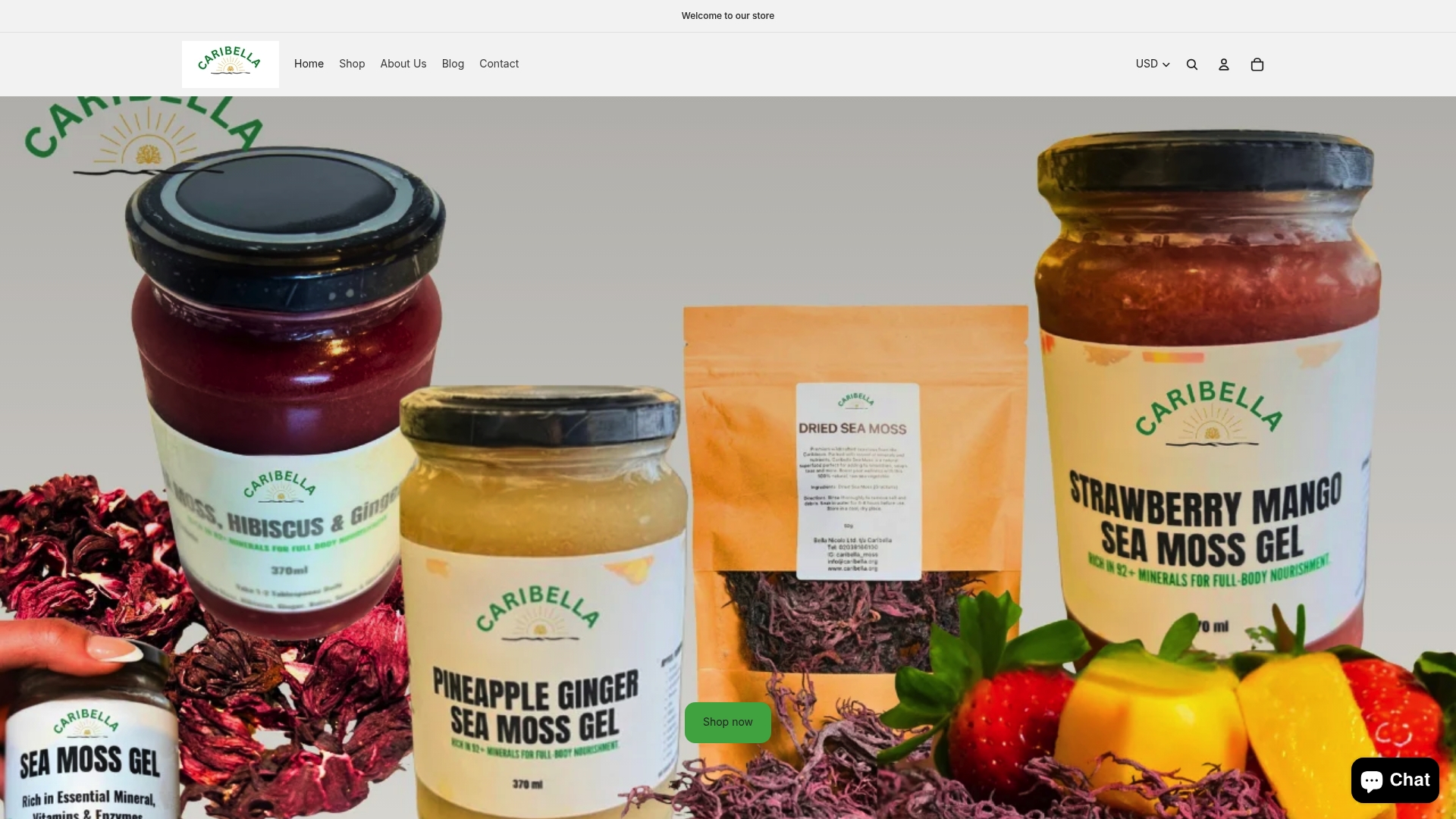
Our range of Caribella’s herbal teas is crafted with quality, transparency, and women’s health in mind. The Women’s Wellness Tea is formulated to support hormone balance and daily comfort, while the calm and restore blend is designed specifically for those moments when anxiety and poor sleep are taking their toll. Every blend is made with carefully selected natural ingredients, inspired by Caribbean plant traditions and grounded in a genuine commitment to your wellbeing. No guesswork. No compromise on quality.
Frequently asked questions
Are herbal teas safe to use during menopause?
Most herbal teas are safe for general use, but you should check for allergies, potential drug interactions, and always consult your GP, as regulation is limited and evidence varies by product.
Which herbal tea is best for night sweats and hot flushes?
Sage tea has the strongest evidence, with studies showing up to 64% reduction in hot flush intensity, making it the most targeted natural option for these specific symptoms.
Can herbal teas replace hormone replacement therapy (HRT)?
No. Herbal teas are a complementary option for mild symptom support, not a replacement for HRT or prescribed treatments. The NHS prioritises HRT and lifestyle changes over herbal remedies for significant symptoms.
Are there any risks with herbal teas for menopause?
Yes. Risks include herb-drug interactions, contamination from unregulated products, and allergic reactions. Always buy from reputable sources and speak to your doctor before starting any new herbal product.
Is black cohosh effective for menopause symptoms?
The evidence is weak. A Cochrane review found no significant benefit over placebo for hot flushes, and long-term use raises liver safety concerns.