

Bloating after meals, a sudden wave of heat at 2am, a mood that shifts without warning — perimenopause and menopause bring a whole range of symptoms that can feel relentless. Many women over 40 are turning to herbal teas as a gentle, natural way to ease digestive discomfort, hot flushes, and low mood. This guide walks you through the most useful options, how to choose and brew them, and what the evidence actually says. We’ve kept it practical and honest, so you can make informed choices that genuinely support your wellbeing.
Table of Contents
- Understanding herbal teas: the basics and their appeal
- Choosing the right herbal teas for your needs
- How to prepare and enjoy herbal teas for maximum benefit
- What to expect: results, cautions and evidence for herbal teas
- The honest truth about herbal teas for wellbeing
- Support your wellbeing with premium herbal teas
- Frequently asked questions
Key Takeaways
| Point | Details |
|---|---|
| Herbal teas offer gentle support | Teas like peppermint, ginger, and sage may relieve hot flushes and aid digestion during menopause. |
| Consult your GP | Herbal teas can interact with many medications, so seek advice before introducing new blends. |
| Evidence varies | Some teas show promising results, but large studies often remain inconclusive. |
| Enjoy as part of a routine | Daily herbal tea can become a comforting, relaxing addition to a balanced wellness regime. |
Understanding herbal teas: the basics and their appeal
Herbal teas are not true teas in the botanical sense. They are infusions made from dried herbs, flowers, roots, or spices steeped in hot water. Unlike black or green tea, they contain no caffeine (unless added), making them a calming choice for women who are already dealing with disrupted sleep or heightened anxiety during perimenopause.
Why are so many women over 40 reaching for them? The appeal is straightforward. Herbal teas feel accessible, affordable, and easy to fit into daily life. There is something grounding about the ritual of brewing a cup, and many of the herbs used have centuries of traditional use behind them. That history matters, even when clinical trials are limited.
Here are some of the most popular herbal teas for menopausal and digestive support:
- Peppermint: Relieves bloating, gas, and nausea that are commonly linked to hormonal changes during menopause.
- Ginger: Aids digestion and reduces nausea, while also helping to calm stress and inflammation.
- Sage: Used traditionally to reduce hot flushes and night sweats.
- Black cohosh: Often taken as a supplement but also available as a tea; associated with reducing hot flush frequency.
- St. John’s wort: Sometimes used for low mood linked to hormonal shifts, though it carries important interaction warnings.
- Red clover: Contains phytoestrogens (plant compounds that mimic oestrogen) and is used for hot flush relief.
Our women’s wellness tea blends several of these time-honoured herbs into a single convenient cup.
| Herbal tea | Primary benefit | Key caution |
|---|---|---|
| Peppermint | Bloating, digestive ease | Avoid with acid reflux |
| Ginger | Nausea, inflammation | High doses may thin blood |
| Sage | Hot flushes, night sweats | Avoid in high doses during pregnancy |
| Black cohosh | Hot flushes, mood | Not for those with liver conditions |
| St. John’s wort | Low mood, anxiety | Interacts with many medications |
| Red clover | Hot flushes | Caution with hormone-sensitive conditions |
Choosing the right herbal teas for your needs
With an understanding of the main types of herbal teas, it is crucial to know how to select the right one for your unique needs and health profile. The first step is identifying your priority symptoms.
- Identify your main concern. Is it digestive discomfort such as bloating or sluggish digestion? Hot flushes and night sweats? Or mood swings and low energy? Knowing your focus helps narrow down your options quickly.
- Consider flavour and enjoyment. If you do not enjoy the taste, you will not drink it consistently. Peppermint and ginger are pleasant and widely liked. Sage has a stronger, more savoury note. Sample small quantities before committing.
- Check for medication interactions. This is non-negotiable. St. John’s wort interacts with many medicines, including antidepressants, blood thinners, and contraceptives. Black cohosh should be avoided by anyone with liver problems or hormone-sensitive conditions.
- Think about convenience. Loose-leaf teas offer quality but require more effort. Teabags are easier for busy mornings. Choose the format that fits your lifestyle, because consistency matters more than perfection.
- Review NCCIH guidance on herbal menopause remedies for a reliable overview of what the evidence currently supports.
If you are managing more complex hormonal symptoms, our hormone balancing capsules can complement a herbal tea routine. You can also browse our full range of herbal tea options to find blends suited to your needs.
Important: St. John’s wort is one of the most commonly used herbs for low mood during menopause, but it can significantly reduce the effectiveness of prescribed medicines. Black cohosh has also been linked to rare cases of liver damage. Always speak to your GP or pharmacist before adding either of these to your routine.
Pro Tip: Keep a simple list of all supplements and teas you are taking and share it with your GP at your next appointment. Many women do not realise that herbal products count as medicines in terms of potential interactions.
How to prepare and enjoy herbal teas for maximum benefit
Having chosen your herbal tea, here is how to prepare each blend to get the most from its benefits. Brewing correctly makes a real difference to both flavour and potency.
- Use freshly boiled water, then allow it to cool slightly. Boiling water can destroy some of the delicate plant compounds in herbs. Aim for around 90 to 95 degrees Celsius for most herbal teas.
- Steep for the right amount of time. Under-steeping means weak flavour and fewer active compounds. Over-steeping can make some teas bitter or overly strong.
- Cover your cup while steeping. This traps the volatile oils, particularly important for peppermint and ginger, which lose potency quickly when exposed to air.
- Drink at the right time. Peppermint and ginger are best after meals for digestive support. Sage and chamomile work well in the evening to ease hot flushes and support sleep.
- Be consistent. A single cup will not transform your symptoms. Daily use over several weeks is where the benefit builds.
| Herbal tea | Steeping time | Suggested dose | Symptom focus |
|---|---|---|---|
| Peppermint | 5 to 7 minutes | 1 to 2 cups daily | Bloating, nausea |
| Ginger | 10 minutes | 1 to 3 cups daily | Digestion, inflammation |
| Sage | 5 to 10 minutes | 1 cup daily | Hot flushes, sweats |
| Black cohosh | 10 to 15 minutes | 1 cup daily | Hot flushes, mood |
| Red clover | 10 minutes | 1 to 2 cups daily | Hot flushes |
Sage tea capsules reduced hot flush severity in clinical participants within 4 to 8 weeks of consistent use, which gives a useful benchmark for your own expectations.
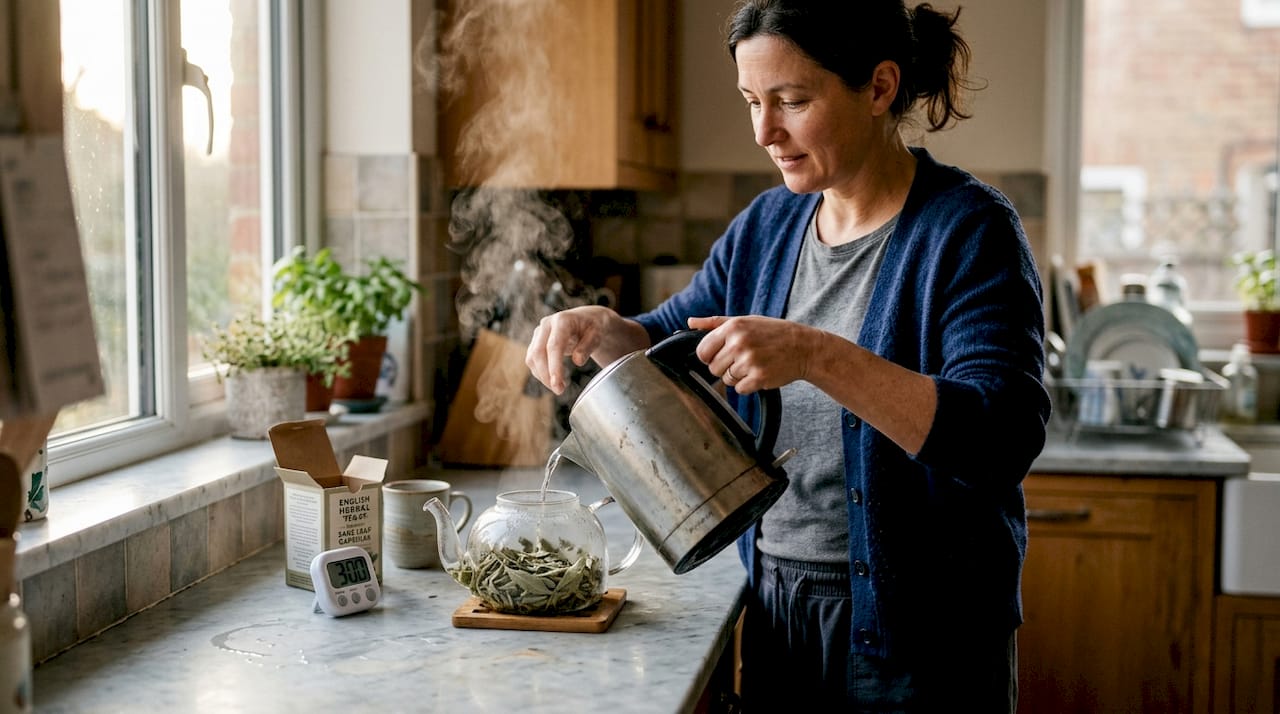
For digestive comfort specifically, our digestive tea support blend is formulated with gut health in mind.
Pro Tip: Try combining ginger and peppermint in the same cup for a warming, digestive-focused blend. Add a slice of fresh lemon for a gentle detoxifying effect and to brighten the flavour.
What to expect: results, cautions and evidence for herbal teas
Knowing how to prepare your tea is only part of the journey. Here is what you should anticipate once you begin, including the limits of the scientific evidence.
Realistic timeframes vary by herb and by person. Most women who see results report noticing changes after two to eight weeks of daily use. Hot flush frequency and severity tend to respond more slowly than digestive symptoms, which can improve within days.
Common side effects and cautions to be aware of:
- Peppermint may worsen acid reflux in some women.
- Ginger in high quantities can interact with blood-thinning medication.
- Sage should not be taken in medicinal doses during pregnancy.
- St. John’s wort cautions are well documented and include reduced effectiveness of contraceptive pills.
- Black cohosh has been linked to rare but serious liver reactions.
One useful approach is keeping a symptom diary. Note your hot flush frequency, sleep quality, and digestive comfort each day. After four weeks, review it. This gives you real data rather than a vague sense of whether things are improving.
On the evidence: most herbal products lack convincing proof, though black cohosh and red clover show more promise for severe symptoms. Results across studies remain inconsistent, and no herbal tea should be treated as a guaranteed solution.
Stat callout: Some studies report up to a 64% reduction in hot flush frequency with consistent herbal support, but this figure comes from specific formulations under controlled conditions. Individual results vary considerably.
For broader guidance on cautions with herbal remedies, it is worth reading product information carefully and speaking to a healthcare professional if you are managing multiple symptoms or taking prescribed medication.
The honest truth about herbal teas for wellbeing
Here is something we feel strongly about at Caribella: herbal teas are not miracle cures, and anyone selling them as such is doing you a disservice. The evidence is modest for most herbs, and the studies that do exist are often small or short-term. That is the honest picture.
But tradition is not nothing. Generations of women have used these plants to support their bodies through hormonal transitions, and there is real value in a daily ritual that feels nourishing. The act of pausing, brewing, and drinking mindfully has its own calming effect, separate from any active compound.
What works best is combining embracing gentle routines like herbal tea with broader lifestyle changes: movement, sleep hygiene, reduced sugar, and stress management. Herbal teas are one thread in a larger fabric, not the whole cloth.
And if your symptoms are severe or significantly affecting your quality of life, please speak to your GP. Herbal teas are a complement to medical care, not a replacement for it.
Support your wellbeing with premium herbal teas
Ready to put this knowledge into action? At Caribella, we have created herbal tea blends inspired by Caribbean plant traditions, designed specifically with women’s wellness in mind. Each blend uses carefully selected natural ingredients to support digestion, hormone balance, and everyday comfort.
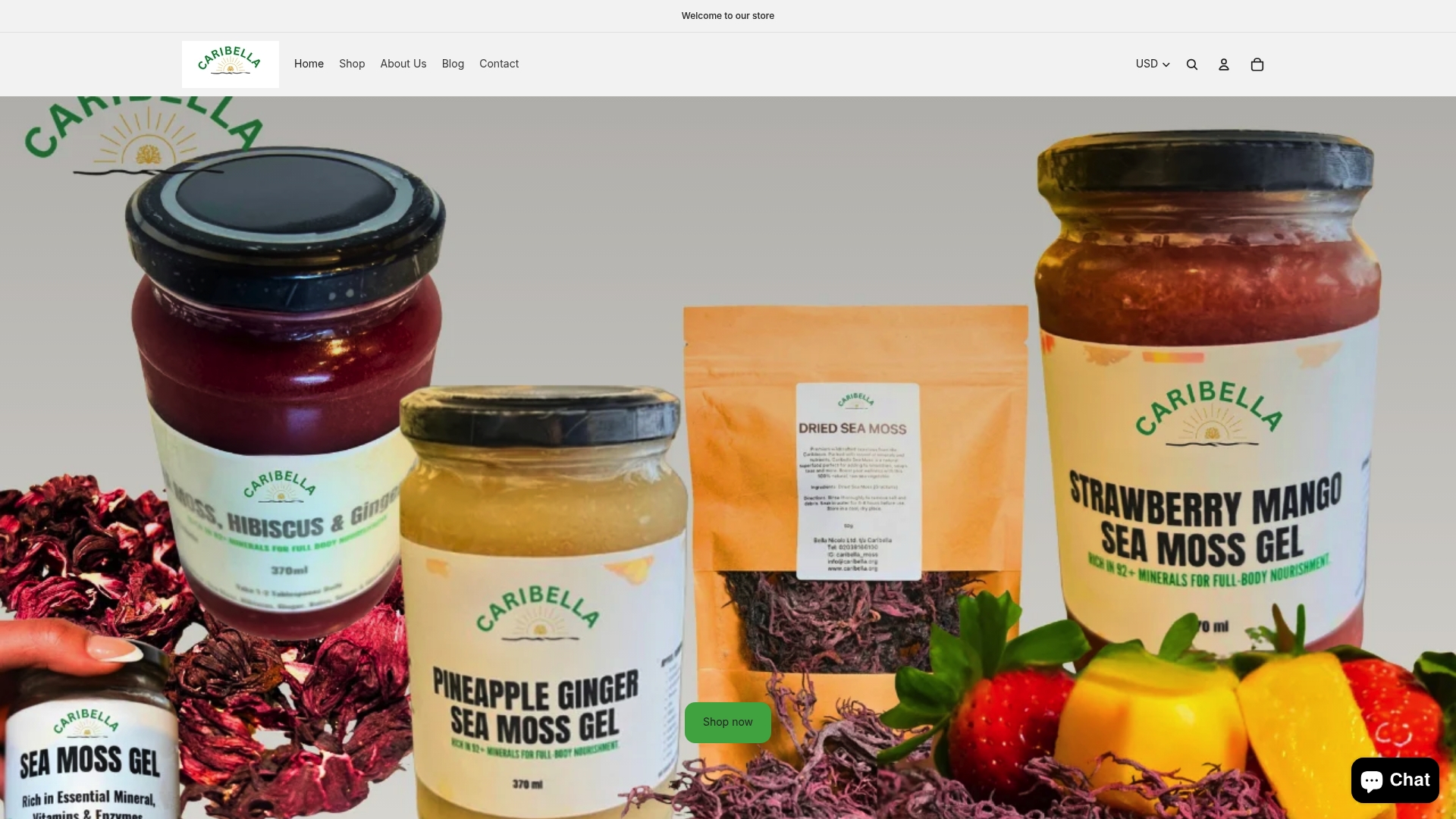
Our women’s wellness blend is a great starting point if you are navigating perimenopause or menopause and want a tea that works across multiple symptoms. For gut health and bloating, our digestive range offers targeted support. Explore herbal teas across our full collection and find the blend that fits your routine and your body.
Frequently asked questions
Can I drink herbal tea with my prescribed menopause medication?
Always consult your doctor first, as herbs like St. John’s wort interact with medicines including HRT, antidepressants, and contraceptives. Never assume a herbal product is safe simply because it is natural.
How soon can I expect results from herbal teas for hot flushes?
Some women notice reduced hot flushes within 4 to 8 weeks, though results vary. Sage tea capsules showed improvement in severity within that window in clinical settings.
Are herbal teas a substitute for HRT?
No. Herbal teas are not a replacement for HRT and should not be treated as one. They may offer gentle support for mild symptoms, but herbal teas are not substitutes for medically prescribed hormone therapy.
Are there any herbal teas I should avoid if I have high blood pressure?
Yes. Avoid liquorice root tea if you have or are at risk of high blood pressure, as it can raise blood pressure further. Always check cautions before use if you have a cardiovascular condition.
Is it safe to drink herbal teas every day?
For most women, daily herbal tea in moderate amounts is safe. However, consult your GP before daily use if you take prescribed medication or have an underlying health condition.