

Not all sea moss is the same, and if you’ve spent any time browsing wellness websites, you’ll know how confusing the labels can get. “Wildcrafted,” “pool-grown,” “organic,” “raw” — the terms pile up fast. For women over 40 navigating menopause, low energy, or a desire to support immunity through plant-based nutrition, getting this distinction right actually matters. Wildcrafted sea moss, hand-harvested from natural coastal environments, carries a different nutritional and ethical story to its farmed alternatives. This article unpacks that story clearly, with honest evidence and practical guidance.
Table of Contents
- What does ‘wildcrafted’ sea moss mean?
- Key minerals and benefits for women 40+
- Risks, dosage, and safe use for midlife women
- Practical ways to add wildcrafted sea moss to your day
- The forgotten truth about sea moss for women 40+
- Discover wildcrafted sea moss and wellness essentials
- Frequently asked questions
Key Takeaways
| Point | Details |
|---|---|
| Wildcrafted defined | Wildcrafted sea moss is hand-harvested from natural environments using ethical, sustainable methods. |
| Mineral benefits for women | It provides essential minerals for energy, immunity and menopause support but is not a menopause cure-all. |
| Safety first | Moderation, transparent sourcing, and GP consultation are vital when adding wildcrafted sea moss to your routine. |
| Easy to use | Sea moss can be added to smoothies, teas, or meals for a simple nutritional boost. |
| Balance and variety | Including wildcrafted sea moss should be part of a broader, balanced approach to plant-based wellness. |
What does ‘wildcrafted’ sea moss mean?
The word “wildcrafted” simply means the seaweed was collected from its natural habitat rather than grown in a controlled environment. Wildcrafted sea moss grows on rocks along Atlantic coastlines, including shores in Ireland, Scotland, and parts of the Caribbean, absorbing minerals directly from the ocean water around it. No artificial inputs. No tanks. Just seaweed doing what it has always done.
Pool-grown sea moss, by contrast, is cultivated in man-made saltwater pools or on ropes in the ocean. It grows faster, costs less to produce, and is more readily available at scale. But critics argue it may absorb fewer minerals from the surrounding environment and lacks the ecological complexity of wild ocean habitats. The nutrient profile may differ, though this is an area where more research is still needed.
What makes wildcrafted sourcing particularly appealing is the ethical dimension. When done responsibly, wild harvesting is low-impact: only portions of the plant are trimmed, allowing regrowth. This practice avoids the habitat damage that over-harvesting can cause. Wildcrafted sea moss preferred for natural nutrient density when sourced from ethical UK or Irish suppliers who use low-impact trimming methods. That distinction matters both for your wellness and for the coastline the moss comes from.
Here is a quick comparison to help you tell the difference:
Wildcrafted sea moss:
- Hand-harvested from natural Atlantic or Caribbean coastlines
- Grows in complex ocean ecosystems with diverse mineral exposure
- Natural colour variation and irregular texture (often a sign of authenticity)
- Slower to produce, often higher in price
- Requires transparent sourcing and ideally third-party lab testing
Pool-grown or rope-cultivated sea moss:
- Grown in controlled salt water environments
- More uniform appearance, often yellower or brighter
- Faster production, more widely available
- Lower cost but variable mineral content
- May still carry certification labels that don’t guarantee wild origin
Understanding sea moss terminology properly helps you read labels with confidence rather than guessing based on packaging design.
Pro Tip: Before buying any sea moss product, look for a supplier who publishes third-party lab results and can name the specific harvest location. Vague claims like “sourced from the ocean” tell you nothing useful.
Key minerals and benefits for women 40+
Once you understand how wildcrafted sea moss is sourced, it’s worth looking at what it actually contains and why those nutrients matter for women in their 40s, 50s, and beyond.
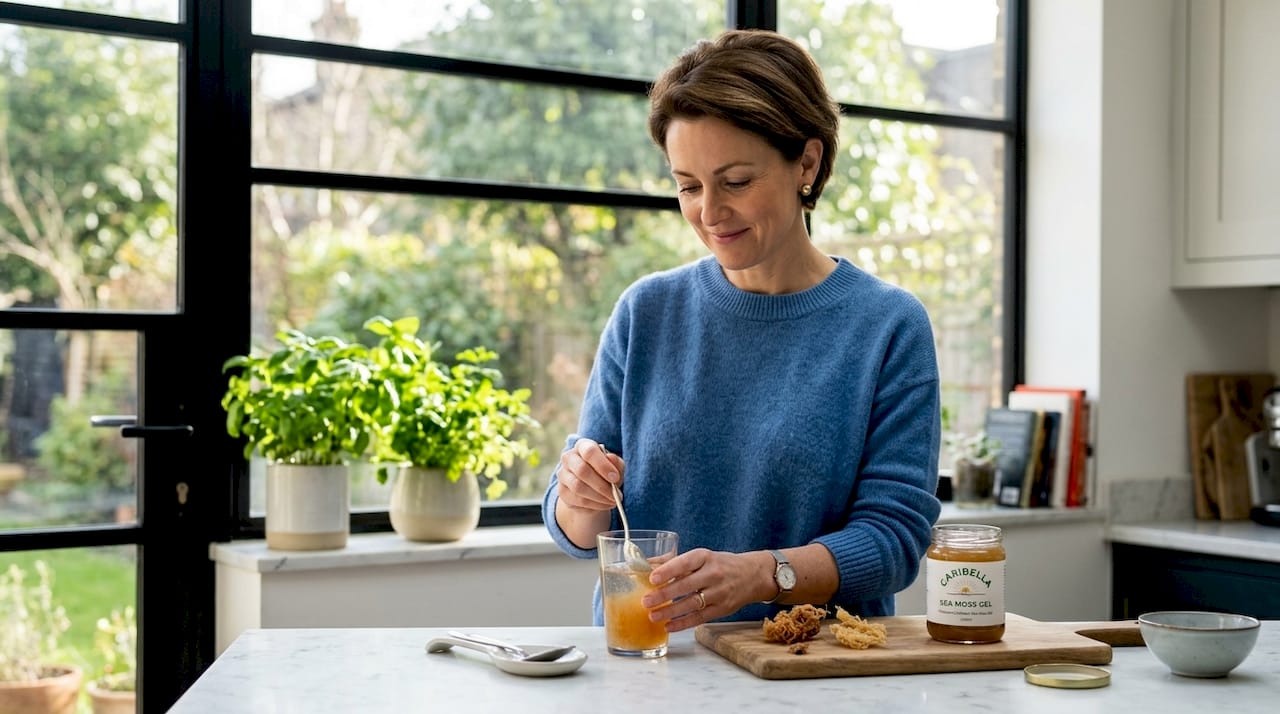
Sea moss is not a single superfood with one magic compound. It’s a mineral-dense plant food that contributes a wide range of nutrients. The minerals present in well-sourced wildcrafted sea moss include iodine, magnesium, potassium, iron, zinc, and calcium. Each of these plays a role in the kind of physiological functions that become more relevant during perimenopause and menopause.
| Mineral | Key function | Relevance for women 40+ |
|---|---|---|
| Iodine | Thyroid hormone production | Supports metabolism and energy regulation |
| Magnesium | Muscle relaxation, nerve function | May ease sleep disruption and hot flushes |
| Potassium | Fluid balance, heart health | Supports mood stability and cardiovascular health |
| Iron | Oxygen transport in the blood | Addresses fatigue, especially in perimenopause |
| Zinc | Immune defence, hormone regulation | Useful for immunity and hormonal balance |
| Calcium | Bone density maintenance | Important as bone loss accelerates after menopause |
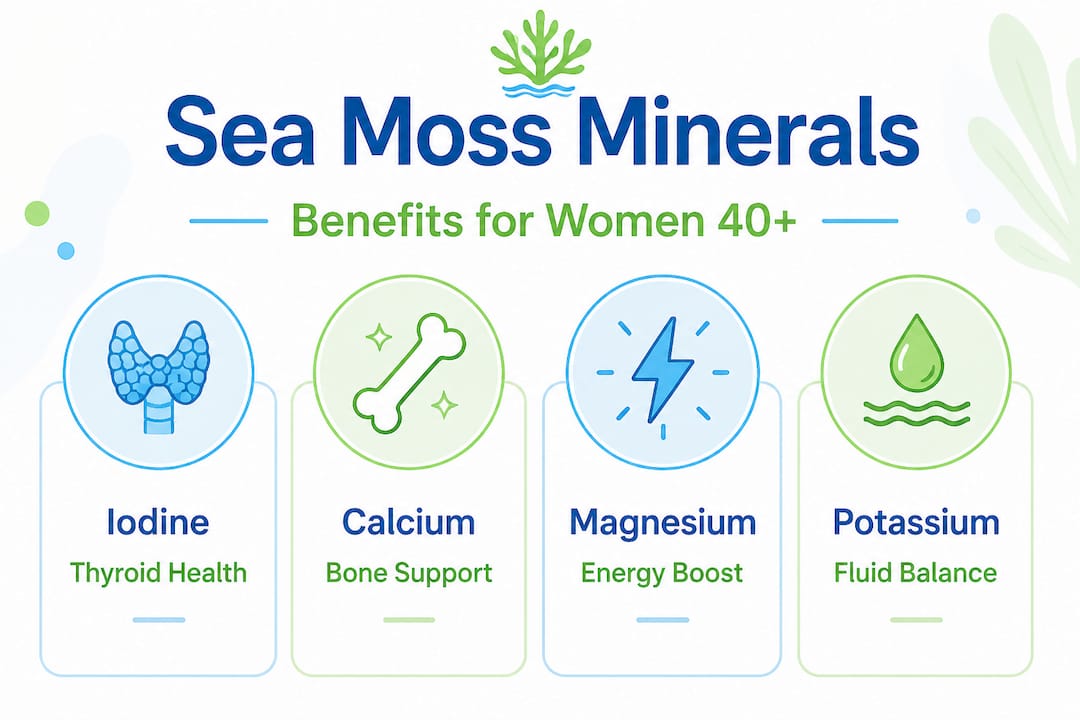
Minerals like iodine, magnesium, and iron are linked to thyroid health, energy levels, mood regulation, and immune function in women 40+, though benefits remain largely mineral-based and anecdotal rather than proven through large clinical trials. This is an important distinction. Sea moss can support your diet, but it isn’t a prescription. Think of it as one piece of a larger nutritional puzzle.
Key areas where wildcrafted sea moss may offer support:
- Thyroid function: Iodine is essential for thyroid hormone production, which governs metabolism and energy levels. Many UK women over 40 are iodine-insufficient, particularly those following plant-based diets.
- Bone health: Calcium and magnesium together support bone density at a time when oestrogen decline accelerates bone loss.
- Fatigue: Iron from plant sources (non-haem iron) found in sea moss can contribute to red blood cell production, supporting energy.
- Immunity: Zinc plays a known role in maintaining a responsive immune system, and immunity-boosting strategies that include mineral-rich foods tend to be more sustainable than short-term fixes.
- Hormonal balance: Zinc and magnesium are both involved in regulating hormone signals, which become more unpredictable during perimenopause.
“Moderation is key for women using sea moss in midlife. It can complement a plant-based diet well, particularly for those who are iodine-insufficient, but it should not be treated as a menopause remedy. Women with thyroid conditions should consult their GP before adding it regularly.” — Clinical nutrition guidance on sea moss use
You can read more about the minerals in sea moss and how they relate to women’s health in detail, as well as a thorough look at Irish moss benefits and risks for women over 40.
The bottom line: sea moss is genuinely mineral-rich. But the evidence for it directly relieving menopause symptoms is based on traditional use and nutritional logic rather than clinical proof. That doesn’t make it worthless. It makes it honest.
Risks, dosage, and safe use for midlife women
With the potential benefits acknowledged, it’s equally important to talk about what can go wrong. Wildcrafted sea moss is not risk-free, and for women over 40, a few specific concerns deserve close attention.
The biggest risk is iodine overload. Iodine is essential in small amounts but problematic in excess, particularly for women with thyroid disorders. Both hypothyroidism (underactive thyroid) and hyperthyroidism (overactive thyroid) can be worsened by excessive iodine intake. Because sea moss is naturally high in iodine and the amount varies between batches and sources, portion control matters.
High iodine content poses a risk for those with thyroid conditions, and heavy metals may be present in poorly sourced sea moss; soaking and rinsing reduces iodine levels, and a safe daily dose is generally 1 to 3 grams of dried moss or 1 to 2 teaspoons of gel. Sea moss is not regulated by the FDA or the UK’s MHRA as a medicine, so product quality varies enormously across the market.
| Format | Suggested daily amount | Notes |
|---|---|---|
| Dried wildcrafted moss | 1 to 3 grams | Soak and rinse before use to reduce iodine |
| Sea moss gel | 1 to 2 teaspoons | Blend with water or food; homemade or bought |
| Capsules | Follow label guidance (often 500mg to 1g) | Check for third-party testing |
| Powder | Half to 1 teaspoon | Mix into smoothies or porridge |
Steps for safer sourcing and use at home:
- Choose a tested supplier. Look for brands that publish certificates of analysis from independent labs, confirming absence of heavy metals and accurate iodine levels.
- Soak dried moss thoroughly. A soak of 12 to 24 hours in cold, clean water reduces iodine content and removes surface contaminants.
- Start with a small amount. Begin with half a teaspoon of gel or 1 gram of dried moss and observe how your body responds over two weeks before increasing.
- Keep your GP in the loop. If you take medication for thyroid conditions, blood pressure, or hormonal health, let your GP know you’re adding sea moss to your routine.
- Avoid during pregnancy or breastfeeding. Excess iodine carries particular risks during these periods, and wildcrafted sea moss is not recommended.
- Store correctly. Dried moss stores well in a cool, dry place. Homemade gel should be refrigerated and used within two to three weeks.
For a full step-by-step walkthrough, take a look at the guidance on making sea moss gel safely at home, or if you prefer convenience, explore how to go about choosing sea moss capsules for daily wellness.
Pro Tip: Introduce any new supplement, including sea moss, one at a time and keep a simple wellness journal for the first month. Note your energy, digestion, and sleep. This makes it far easier to tell whether something is genuinely helping or not.
Practical ways to add wildcrafted sea moss to your day
Safety covered, now the enjoyable part: how to actually use it. Sea moss gel is mild in flavour and blends easily into everyday foods, which makes it more practical than most wellness supplements. You don’t need a specialist kitchen or hours of preparation.
Here are some of the easiest ways to include it:
- Morning smoothies: A teaspoon of sea moss gel blends invisibly into fruit smoothies, adding minerals without altering the taste significantly.
- Porridge or overnight oats: Stir gel into warm porridge. The gel acts as a natural thickener and adds a slightly creamy texture.
- Herbal teas: Sea moss gel dissolves easily into warm liquids. Try it with ginger or turmeric tea for a warming, mineral-rich drink.
- Soups and stews: The natural carrageenan in sea moss acts as a thickening agent, making it useful in plant-based soups.
- Salad dressings: A small amount of gel whisked into an oil-based dressing adds body and nutrition.
- As a direct supplement: If food prep isn’t your priority, sea moss capsules offer a quick, measured dose without any kitchen effort.
For batch preparation, make a large jar of gel at the weekend and keep it in the fridge. It takes under 20 minutes of active work and gives you a week’s supply. The guide on making homemade sea moss gel walks through the process simply. If you enjoy experimenting with seaweed-based recipes more broadly, there are many ways to bring ocean plants into everyday cooking.
Moderation and pairing sea moss with balanced nutrition makes it far more effective than chasing it as a single solution. No one food changes everything. But a daily teaspoon of mineral-rich gel, alongside vegetables, legumes, and whole grains, can meaningfully support the nutritional gaps that plant-based midlife diets sometimes leave open.
Pro Tip: Start with half a teaspoon of gel daily for the first two weeks and note any changes to your digestion, energy, or sleep before increasing the amount. Small, consistent additions beat large sporadic doses.
The forgotten truth about sea moss for women 40+
There’s something the wellness market rarely tells you: the women who benefit most from sea moss are not the ones who chase it obsessively. They’re the ones who treat it as a reliable kitchen staple, much like flaxseed or a good quality olive oil, rather than a miracle cure with a monthly subscription.
Marketing around sea moss often leans into urgency and transformation. “Feel amazing in seven days.” “Fix your hormones naturally.” These claims are not backed by the kind of evidence that should give you confidence. They exploit the very real frustrations of women navigating midlife, when energy dips, sleep suffers, and the body feels like it’s changing faster than you can adapt.
The honest position is more useful. Wildcrafted sea moss, from a credible, ethically sourced supplier, offers a genuinely mineral-dense addition to a varied diet. For women who are iodine-insufficient, which includes many UK women on plant-based diets, that matters. For women whose magnesium intake is low, which describes most of the UK population, it matters. But it is one tool, not a solution.
The more important shift is learning to track how you feel rather than what trend you’re following. If you add sea moss gel to your morning routine for a month and notice improved energy, better digestion, or more restful sleep, that’s useful information. If you notice nothing, that’s also useful information. Your body gives honest feedback when you pay attention to it.
We’d also encourage you to consider the sourcing story seriously. Choosing wildcrafted, ethically harvested sea moss is not just a nutritional decision. It’s a values decision. Wild coastal ecosystems matter. Low-impact harvesting matters. A brand that can tell you exactly where its moss came from, how it was harvested, and what the labs found is a brand worth supporting. You can explore the full picture in our article on Irish moss risks explained to make a truly informed choice.
Discover wildcrafted sea moss and wellness essentials
If you’re ready to add wildcrafted sea moss to your routine, Caribella offers a range of carefully sourced, plant-based options that make it simple.
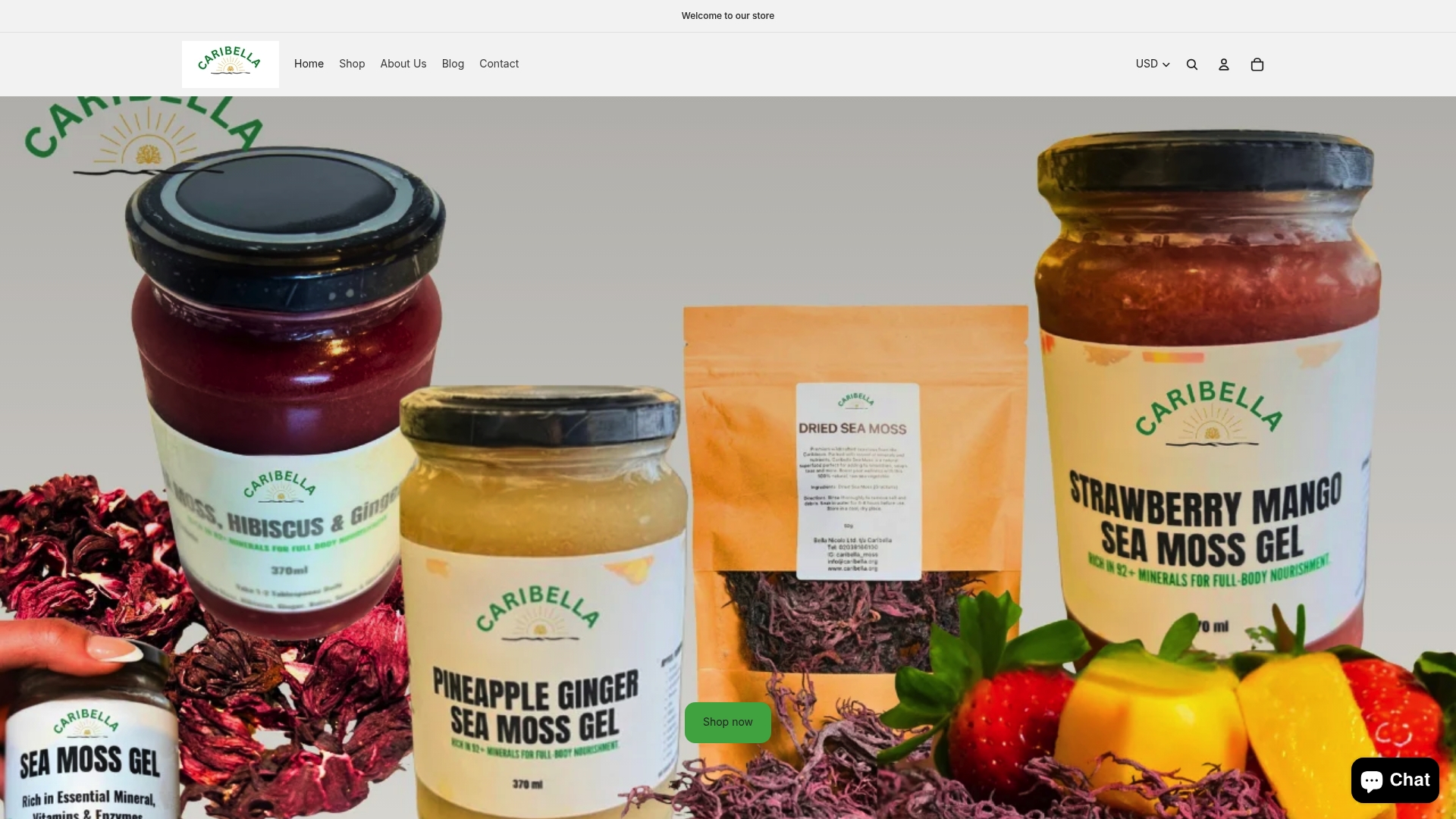
Our sea moss gel collection features ready-to-use gels made from quality sea moss, ideal for stirring into your morning routine without any preparation. If you prefer to make your own gel at home, our dried golden sea moss gives you full control over the process. And for women looking for broader hormonal and wellness support, our hormone-balancing capsules bring together plant-based ingredients designed specifically for midlife wellbeing. Every product is made with transparency and quality sourcing at its core, because that’s what you deserve when you’re making decisions about your health.
Frequently asked questions
How can I tell if sea moss is truly wildcrafted?
Look for third-party lab certificates, clear harvest location details, and transparent supplier information. Ethically harvested wildcrafted sea moss from UK or Irish sources typically shows natural colour variation and irregular shape, unlike the uniform appearance of pool-grown alternatives.
Are there side effects when using wildcrafted sea moss?
Excess iodine and potential heavy metal exposure are the main concerns, especially for women with thyroid conditions. Soaking dried moss before use and keeping within recommended doses reduces these risks considerably.
Is wildcrafted sea moss safe during menopause?
Moderate use is generally considered safe, but sea moss is not a proven menopause treatment and women with thyroid disorders should seek GP advice before adding it to their routine.
Can I take wildcrafted sea moss with other supplements?
Yes, but be mindful of overlapping minerals, particularly iodine. Safe daily doses are 1 to 3 grams dried or 1 to 2 teaspoons of gel, and your GP should know if you’re managing thyroid health or taking prescription medication.
Is wildcrafted sea moss suitable for vegans and plant-based diets?
Absolutely. Sea moss is naturally vegan and complements plant-based diets well, providing iodine, iron, zinc, and magnesium that can be harder to source when you eat no animal products.