

Bloating after every meal. Unpredictable cramping. That heavy, uncomfortable feeling that seems to have arrived uninvited sometime around your mid-forties. If this sounds familiar, you are not imagining it. Digestive complaints genuinely do increase during perimenopause and menopause, driven by hormonal shifts that directly affect gut motility and sensitivity. The herbal tea aisle, meanwhile, is packed with promises. Every blend claims to calm, cleanse, and soothe, but not all of them deliver. This article cuts through the noise and focuses on which teas genuinely support digestion and why.
Table of Contents
- How to choose a herbal tea for digestion
- Top herbal teas for digestive relief
- Comparison: Which herbal tea suits which digestive issue?
- Precautions, safety and when to seek help
- Why the evidence on herbal teas for menopause digestion isn’t black-and-white
- Ready to support your digestion with herbal blends?
- Frequently asked questions
Key Takeaways
| Point | Details |
|---|---|
| Choose based on symptoms | Select herbal teas such as peppermint, ginger, chamomile, or fennel depending on your digestive concern. |
| Be mindful of safety | Peppermint may worsen reflux and ginger should be used with caution for certain health conditions or medications. |
| Scientific support varies | Evidence for herbal tea benefits is robust for IBS but less settled for menopause-specific digestive issues. |
| Integrate, don’t replace | Herbal teas provide gentle support but are best used alongside a healthy lifestyle and medical advice as needed. |
How to choose a herbal tea for digestion
Choosing a herbal tea is not as simple as picking the one with the prettiest packaging. To genuinely support digestive health during menopause, you want teas whose active compounds have a clear, documented mechanism. That means understanding three key categories.
Antispasmodic herbs relax the smooth muscle lining of your digestive tract. Peppermint and chamomile are the two best examples. When your gut muscles go into spasm, you get cramping, urgency, and that tight, knotted feeling. An antispasmodic herb interrupts that signal. Antispasmodics relax gut muscle; carminatives expel gas; ginger accelerates motility.
Carminative herbs work differently. They help your body expel trapped gas, which is often the root cause of bloating and discomfort. Fennel and peppermint both sit in this category, which is why they feature so consistently in digestive blends.
Motility-supporting herbs like ginger speed up the rate at which food moves through your digestive system. This is particularly useful if you experience that sluggish, heavy sensation after eating, which is common during hormonal transition.
When you are reading labels in the health food shop, look for these specific herbs and ask what evidence supports them. Tradition matters, but you want teas that have been studied. A blend that lists seventeen different botanicals but contains only tiny amounts of each is unlikely to deliver real therapeutic benefit.
Key things to look for when evaluating a herbal tea for digestion:
- Single-herb or focused blends rather than vague “wellness” mixes
- Organic or clearly sourced ingredients for purity
- No added sugar or artificial flavourings that might irritate the gut
- Clear information about herb concentration or quality
- Honest labelling that does not overclaim
If you want a broader starting point, herbal teas for women’s wellbeing covers how different herbs support the whole picture of menopause health, from energy to immunity. Our herbal tea benefits guide also breaks down the science for women over 40 specifically.
Pro Tip: Steep your herbal tea for at least five to seven minutes. Many of the active compounds, particularly volatile oils in peppermint and fennel, need adequate time in hot water to fully release. A quick dunk does not give you the same effect as a proper infusion.
Top herbal teas for digestive relief
Now let’s look at the specific teas worth adding to your daily routine, ranked loosely by the strength of evidence behind them for digestive complaints.
- Peppermint tea
- Chamomile tea
- Ginger tea
- Fennel tea
Peppermint is the most well-studied of the four. The menthol in peppermint leaves acts directly on the smooth muscle of the gut, reducing spasm and easing the passage of gas. Peppermint tea relaxes muscles in the digestive tract, relieving stomach cramps, bloating, and flatulence. If you are dealing with that post-meal bloat that seems to have worsened since perimenopause began, peppermint tea after meals is one of the most evidence-backed choices you can make.
The one important caveat: peppermint relaxes the lower oesophageal sphincter, which is the valve between your oesophagus and stomach. If you are prone to acid reflux or heartburn, this relaxation can allow stomach acid to travel upwards, making symptoms worse rather than better.
Chamomile is gentler. It combines mild antispasmodic properties with a genuinely calming effect on the nervous system, which matters more than people realise. Stress and anxiety, both common during perimenopause, directly affect gut function through the gut-brain axis. Chamomile addresses both the physical spasm and the nervous tension that drives it. Chamomile is a gentle antispasmodic; ginger evidence is stronger for nausea, though more limited for perimenopausal digestive shifts specifically.

Chamomile also contains apigenin, a flavonoid with anti-inflammatory properties. For women experiencing gut sensitivity linked to hormonal fluctuation, this can make a meaningful difference over time.
Ginger is your go-to for nausea and sluggish digestion. The active compounds, gingerols and shogaols, stimulate digestive enzymes and encourage peristalsis, which is the wave-like motion that moves food through your gut. Many women in perimenopause notice that their digestion has slowed, particularly in the morning. A cup of fresh ginger tea before or after breakfast can genuinely help.
Start with a modest amount. One or two thin slices of fresh ginger steeped for five minutes is plenty. Too much ginger can irritate the stomach lining, particularly on an empty stomach or if your gut is already sensitive.
Fennel has a long tradition in both Mediterranean and Caribbean herbal medicine, and the evidence holds up. Fennel seeds contain anethole, a compound that relaxes intestinal muscle and helps disperse gas pockets in the gut. It is particularly well suited to the kind of bloating that builds throughout the day and leaves you feeling distended by evening.
“Combining peppermint and chamomile in one cup gives you antispasmodic action from both herbs alongside chamomile’s calming properties. It is one of the most practical blends for menopausal digestive discomfort.”
For women navigating hormone-related digestive changes, exploring herbal teas for menopause is a helpful next step. And if you are uncertain about which herbal remedies are appropriate for your situation, our guide to safe herbal remedies during menopause walks you through the process carefully.
Pro Tip: If you want the benefits of both peppermint and fennel but need to avoid peppermint due to reflux, try pure fennel seed tea instead. It delivers similar carminative effects without the risk of relaxing the oesophageal sphincter.
Comparison: Which herbal tea suits which digestive issue?
Each tea has a different strength, and matching the right tea to the right symptom makes a real difference. The table below gives you a practical overview.
| Herb | Best for | Caution | Strength of evidence |
|---|---|---|---|
| Peppermint | Bloating, cramps, flatulence | Avoid with acid reflux | Strong (IBS and gut spasm) |
| Chamomile | Gentle relief, stress-related symptoms | Ragweed allergy risk | Moderate |
| Ginger | Nausea, slow digestion | Use cautiously with blood thinners | Strong for nausea |
| Fennel | Gas, bloating, after-meal fullness | Avoid in pregnancy | Traditional, growing evidence |
UK guidance recommends herbal teas as useful adjuncts for digestive relief in mild cases, emphasising that they work best alongside dietary changes rather than in isolation. The Menopause Charity, for example, highlights fibre-rich foods and hydration as foundations, with herbal teas as supportive tools within that wider framework.
A few practical points to help you personalise your choices:
- Reflux and heartburn: Avoid peppermint; try chamomile or fennel instead
- Morning nausea: Ginger tea before or with breakfast is your best option
- Afternoon bloating: Fennel tea after lunch works well for many women
- Stress-driven gut symptoms: Chamomile, particularly in the evening, addresses both the gut and the nervous tension behind it
- General post-meal comfort: Peppermint tea after dinner, if reflux is not a concern, remains the most evidence-backed choice
You can also explore herbal tea for energy if fatigue is compounding your digestive symptoms, as the two are often connected during the perimenopausal years.
Combining teas is generally safe and can provide broader support. Peppermint and chamomile together is a classic pairing. Ginger and fennel work well for sluggish digestion combined with gas. The key is to keep combinations simple so you can identify what is actually helping.
Precautions, safety and when to seek help
Herbal teas feel gentle, and most of the time they are. But gentle does not mean risk-free, and this is especially true during perimenopause when your body is already navigating significant hormonal change.
The most important precautions to be aware of:
- Peppermint and reflux: Avoid peppermint if you have reflux; ginger can irritate in high doses or interact with blood thinners; always seek medical review for persistent or severe symptoms.
- Ginger and medications: Ginger has mild blood-thinning properties. If you are on warfarin, aspirin, or any anticoagulant medication, speak to your GP before drinking ginger tea regularly.
- Chamomile and allergies: Chamomile is a member of the daisy family. If you have a known allergy to ragweed, chrysanthemums, or similar plants, chamomile may trigger a reaction.
- Fennel and hormone-sensitive conditions: Fennel contains phytoestrogens, plant compounds that mimic oestrogen weakly. If you have a history of hormone-sensitive conditions, discuss fennel use with your doctor.
- Herbal teas during pregnancy: Many herbal teas are not recommended during pregnancy. If you are still in perimenopause and any possibility of pregnancy exists, double-check each herb’s safety profile.
For a full picture of how to use herbal products responsibly during midlife, our herbal supplements guide is a reliable starting point. You may also find this herbs guide for hormone-sensitive health useful for understanding which botanicals require extra care.
When to see your GP: If digestive symptoms are severe, persistent, include blood in the stool, significant unexplained weight loss, or disrupt your sleep regularly, herbal tea is not sufficient. These are red flags that need proper medical investigation. Perimenopause does change digestion, but it should not be used as a blanket explanation for every gut symptom.
Pro Tip: Keep a simple symptom diary for two weeks when you introduce a new herbal tea. Note the tea, the time, the dose, and how your digestion feels over the following hour. Patterns become obvious quickly, and this information is also genuinely useful to share with your GP or nutritionist.
Why the evidence on herbal teas for menopause digestion isn’t black-and-white
Here is an honest perspective that most articles on this topic skip over. The clinical evidence for herbal teas and digestion is not uniform. For IBS and functional gut symptoms, the data on peppermint in particular is genuinely robust. Multiple randomised controlled trials support its use for cramps, bloating, and altered bowel habits. Empirical data is limited for menopause-specific digestion; the evidence is strong for IBS, but mixed for phytoestrogen-containing teas and hormone-related digestive shifts specifically.
What this means practically is that you are not imagining the relief many women report. The mechanisms are real. But the specific research on perimenopausal women as a distinct group is thinner, and this matters when you are trying to make informed decisions rather than simply following trends.
The deeper issue is that digestion during menopause is shaped by several overlapping factors: declining oestrogen affecting gut motility, increased cortisol from disrupted sleep, dietary changes, and reduced physical activity. A herbal tea addresses one part of that picture. It does not fix the others. This is why we consistently see that the women who get the most benefit from herbal teas are those who use them as part of a genuinely broader lifestyle approach, not as a standalone fix.
Keeping a symptom journal, as mentioned in the precautions section, also serves a deeper purpose here. It gives you your own data set. Because individual responses vary considerably, what works brilliantly for your colleague or sister may do very little for you. Your journal tells you what is actually moving the needle for your body.
If you are thinking about the bigger picture of plant-based support for hormonal health, sea moss and menopause health is worth reading alongside this, as sea moss brings complementary nutritional support that many women find beneficial during this stage of life.
Ready to support your digestion with herbal blends?
If you have found the evidence here useful and want to put it into practice, Caribella’s range makes it straightforward to get started.
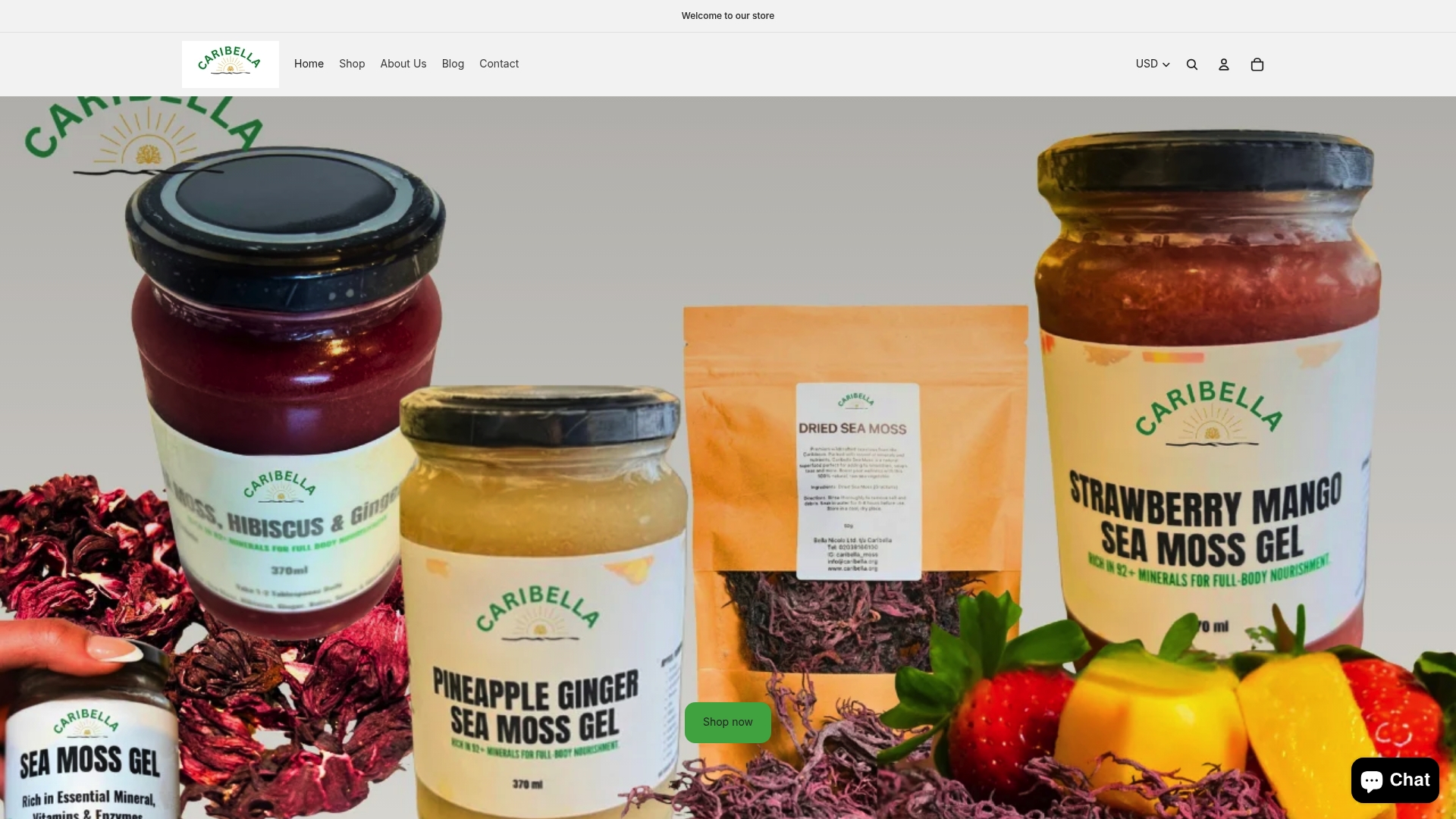
Our Caribella herbal teas are handpicked for women navigating midlife, with blends that focus on real digestive and hormonal needs rather than generic wellness claims. If you are looking for something specifically designed to calm and restore, the Calm & Restore herbal tea is a considered blend built around the mechanisms covered in this article. Pair it with our Sea Moss Gels for broader nutritional support, and you have a plant-based foundation that works with your body, not against it. Rooted in Caribbean herbal tradition and grounded in evidence, Caribella is built for exactly where you are right now.
Frequently asked questions
Is peppermint tea safe for all digestive complaints in menopause?
Peppermint tea soothes cramps and bloating effectively, but avoid peppermint if you have reflux issues, as it can relax the oesophageal sphincter and worsen symptoms. Chamomile or fennel are better alternatives in that case.
How quickly can I expect relief from herbal teas for bloating?
Many women feel digestive relief within 30 to 60 minutes after drinking peppermint or fennel tea, as peppermint relaxes muscles quickly and provides fast relief for bloating, though individual responses do vary.
Are herbal teas a substitute for medical treatment during perimenopause?
Herbal teas offer gentle, complementary support for mild digestive symptoms, but herbal teas are recommended as adjuncts, not substitutes, for proper medical advice and treatment during perimenopause.
Can I drink multiple herbal teas a day for digestion?
Two to three cups of non-caffeinated herbal tea daily is generally well tolerated, but consult your healthcare provider if you are on medications or managing hormone-sensitive conditions, as interactions are possible.
Recommended
- Herbal teas for women’s wellbeing: menopause and energy – Caribella
- Herbal teas for menopause: evidence and top options – Caribella
- Herbal tea for energy: a guide for women over 40 – Caribella
- Herbal tea benefits: a guide for women over 40 – Caribella
- Postpartum Herbs Guide: Natural Support for New Mothers