

Walk into any health food shop or scroll through wellness forums, and you will quickly feel overwhelmed by the sheer number of supplements aimed at women in midlife. Some promise to banish hot flushes; others claim to restore youthful energy overnight. Sea moss, the red algae that has surged in popularity over the past few years, sits in an interesting position: it is neither a pharmaceutical nor a fad food, but a mineral-rich plant with real, if sometimes overstated, potential. This article cuts through the noise and explains, clearly and honestly, what sea moss can and cannot do for women navigating perimenopause and menopause.
Table of Contents
- How does sea moss support hormone balance?
- Improving digestive health and gut wellbeing
- Energy, stamina, and overall vitality: what does the research say?
- Risks, safe use, and who should avoid sea moss
- Our perspective: is sea moss worth it for women during menopause?
- Explore safe, high-quality sea moss solutions
- Frequently asked questions
Key Takeaways
| Point | Details |
|---|---|
| Supports thyroid health | Sea moss provides natural iodine, which can help balance hormones and energy in menopausal women. |
| Aids digestion | Prebiotic fibres in sea moss help promote a healthy gut and improve digestive regularity. |
| Not risk-free | Sea moss can pose risks from excess iodine and heavy metal exposure, so moderation and quality sourcing are essential. |
| Backed by limited research | While some benefits are supported, robust human trials—especially for menopause—remain lacking. |
| Moderation is key | Start with low doses and opt for third-party tested products to maximise safety and benefits. |
How does sea moss support hormone balance?
For many women, the hormonal changes of perimenopause arrive quietly at first: a little more fatigue, a shift in mood, or a sense that energy just is not what it used to be. Before reaching for a prescription, it is worth understanding how specific nutrients influence the hormonal machinery running in the background every day.
The thyroid gland is central to this story. It produces hormones that regulate metabolism, body temperature, heart rate, and mood. Thyroid function and hormone regulation becomes increasingly relevant during perimenopause because oestrogen fluctuations can mask or worsen underlying thyroid imbalances. When the thyroid is not producing hormones efficiently, women often experience fatigue, weight gain, low mood, and poor concentration. These symptoms overlap significantly with menopause itself, which is why thyroid health is so easy to overlook.
This is where iodine enters the picture. Iodine is an essential mineral that the body cannot produce on its own, yet it is absolutely required for the thyroid to synthesise its key hormones, thyroxine (T4) and triiodothyronine (T3). Sea moss (Chondrus crispus) is rich in iodine, providing between 50% and 150% of the recommended daily allowance per serving, which supports thyroid hormone production for metabolism, energy regulation, and mood stability. This is particularly relevant for perimenopausal and menopausal women who may have an unrecognised iodine deficiency.
Beyond iodine, sea moss contains a broad spectrum of minerals including magnesium, potassium, calcium, and zinc. Magnesium supports sleep quality and stress response. Zinc plays a role in immune function and reproductive hormone regulation. These are not exotic claims; these are well-established roles of iodine in metabolism and mineral nutrition more broadly.
Here is what sea moss can specifically bring to women’s hormone-related wellbeing:
- Iodine: Supports thyroid hormone production, directly affecting energy, mood, and metabolic rate
- Magnesium: Helps regulate cortisol and supports restful sleep, both of which affect hormone balance
- Zinc: Assists with progesterone production and immune resilience
- Potassium: Helps manage blood pressure, which can rise during menopause
- Iron: Useful for premenopausal women still experiencing heavy periods
Pro Tip: More is not better when it comes to iodine. Taking large amounts of sea moss daily alongside iodine-rich foods like dairy or fish can push intake above safe levels. Stick to the recommended serving and review your total dietary iodine before adding sea moss to your routine.
The cumulative effect for women who are mildly iodine-deficient can be meaningful: better thyroid function, more stable energy throughout the day, and improved mood. That said, sea moss is not a thyroid medication, and it should never replace one.
Improving digestive health and gut wellbeing
While hormone support is crucial, many women also struggle with digestive issues during this life stage. Bloating, sluggish digestion, and changes in bowel habits are reported by a significant proportion of perimenopausal women, and these are not simply inconvenient. The gut plays a surprisingly powerful role in hormone metabolism, immune function, and even mood through what researchers call the gut-brain axis.
Sea moss is rich in prebiotic polysaccharides, particularly carrageenan and other sulphated polysaccharides. These compounds are not digested in the upper gastrointestinal tract. Instead, they travel intact to the colon, where they become food for beneficial bacteria such as Lactobacillus and Bifidobacterium. According to current evidence, prebiotic polysaccharides in sea moss feed beneficial bacteria, promote short-chain fatty acid (SCFA) production, soothe the gut lining, improve digestion, and aid perimenopausal gut issues.
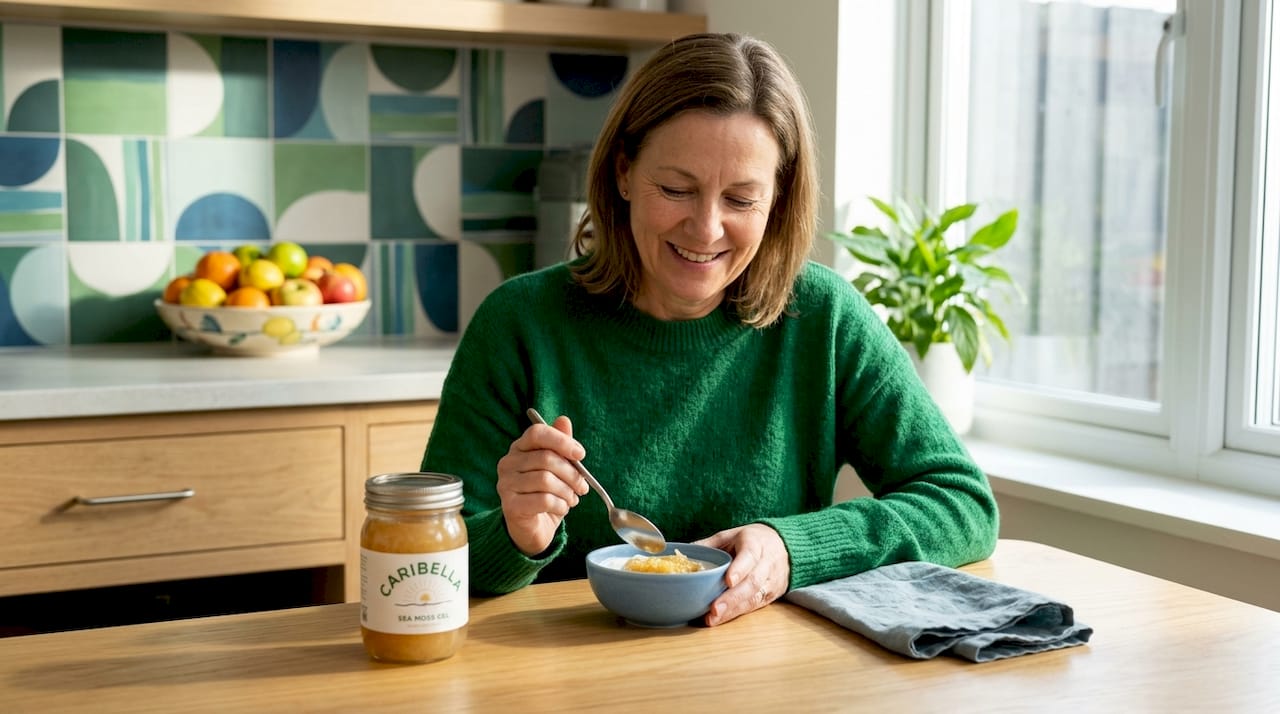
Short-chain fatty acids matter because they reduce inflammation in the gut lining, help regulate immune responses, and contribute to the integrity of the intestinal barrier. A well-nourished gut lining is less likely to allow inflammatory compounds into the bloodstream, which is relevant for women dealing with joint discomfort or skin changes during menopause.
The connection between gut health and hormone balance is genuinely significant. Oestrogen is partially metabolised and recycled in the gut through a collection of bacteria known as the “oestrobolome.” When gut flora is disrupted, this process becomes less efficient, which can affect circulating oestrogen levels. Supporting digestive health during menopause through prebiotics like sea moss may, therefore, have secondary benefits for hormonal balance.
“A diverse, well-fed gut microbiome supports the oestrobolome, which in turn may help modulate oestrogen recycling and reduce some hormonal symptoms associated with menopause.”
Sea moss’s gel-like texture also coats and soothes the gut lining, which can provide comfort for women experiencing digestive sensitivity or mild inflammation. Women who add sea moss gel to smoothies often report improvements in bloating and regularity within a few weeks. Here is what you might reasonably expect from consistent use:
- Improved stool regularity, particularly helpful for those experiencing constipation during perimenopause
- Reduced bloating, thanks to prebiotic action supporting bacterial balance
- Soothed gut lining, from the mucilaginous texture of the gel
- Better nutrient absorption, when the gut lining is functioning well
- Indirect mood support, via the gut-brain axis
The key word is “consistent.” Sea moss is not a one-dose fix. Like any prebiotic, it works best as part of a regular routine that also includes vegetables, legumes, and fermented foods.
Energy, stamina, and overall vitality: what does the research say?
Besides supporting digestion, many women wonder if sea moss can address fatigue and low energy. Let’s review the latest research honestly, because this is an area where claims often run well ahead of the science.
The honest answer is: promising, but not conclusive. Research directly on sea moss in menopausal women is sparse. What we do have are smaller studies and a growing body of seaweed research that includes modest reductions in fasting glucose, improved stool frequency, and measurable antioxidant capacity. Importantly, a meta-analysis of seaweed supplementation found a significant improvement in time-to-exhaustion during exercise, suggesting real stamina benefits. No large menopause-specific trials have yet been conducted.
The table below summarises what the science currently shows, and where it falls short:
| Claimed benefit | Evidence level | Key finding |
|---|---|---|
| Improved energy levels | Moderate (animal and small human studies) | Modest improvements in fatigue markers |
| Better endurance and stamina | Moderate (seaweed meta-analysis) | Significant improvement in time-to-exhaustion |
| Antioxidant support | Moderate (in vitro and small human trials) | Measurable increase in antioxidant capacity |
| Blood glucose regulation | Limited | Small reductions in fasting glucose noted |
| Direct menopause symptom relief | Very limited | No large-scale trials yet completed |
| Weight management | Anecdotal | No strong clinical evidence |
Antioxidants deserve a specific mention here. Menopause is associated with an increase in oxidative stress, which contributes to cellular ageing, inflammation, and fatigue. Sea moss contains several antioxidant compounds including phlorotannins and carotenoids. These compounds help neutralise free radicals in the body. As we explore further in our article on sea moss minerals for vitality, the combined mineral and antioxidant profile of sea moss offers a genuine, if modest, contribution to daily vitality.
What is clear from the available evidence is that sea moss is not a magic energiser. Women who report dramatic transformations after starting sea moss are likely also making other positive lifestyle changes. That is not a reason to dismiss it. It is a reason to treat it as a supportive ingredient in a wider wellness routine, not the whole answer on its own.
Risks, safe use, and who should avoid sea moss
It is important to understand sea moss’s limitations, so let’s cover safety, including who should give it a miss.
Sea moss is generally safe for most healthy adults when consumed in moderate amounts. However, there are real risks that every woman should understand before adding it to her daily routine. The most significant concern relates to iodine overload. Research shows that excess iodine risks thyroid dysfunction, particularly in susceptible women. In one study, habitual seaweed consumption raised TSH (thyroid-stimulating hormone) levels, a marker of thyroid stress, and these levels fell once seaweed was discontinued. Heavy metal accumulation is also a possibility if sea moss is harvested from polluted waters.
Here is a straightforward comparison of the key benefits versus risks:
| Benefit | Potential risk |
|---|---|
| Iodine for thyroid support | Excess iodine causing thyroid disruption |
| Prebiotic fibre for gut health | Digestive discomfort if introduced too quickly |
| Antioxidant compounds | None identified at moderate doses |
| Minerals for energy and mood | Heavy metals from poor-quality sourcing |
| Immune support | Autoimmune flare possible in susceptible women |
Who should be especially cautious? Follow this numbered guide:
- Women with thyroid conditions, whether hypothyroidism, hyperthyroidism, or Hashimoto’s thyroiditis, should consult their GP before using sea moss, as the iodine content could interfere with treatment
- Women on thyroid medication, such as levothyroxine, because iodine intake directly affects how well this medication works
- Women who are pregnant or breastfeeding, as iodine requirements are higher and excess is harmful to the developing thyroid of the baby
- Anyone with a known seaweed allergy, as cross-reactions can occur
- Women taking blood-thinning medication, since sea moss may have mild anticoagulant properties
Signs that you may be consuming too much iodine include unexplained weight changes, palpitations, increased anxiety, or changes in bowel habits. If any of these occur, reduce or stop your sea moss intake and consult a healthcare professional.
Pro Tip: Always choose sea moss products that have been third-party tested for heavy metals and iodine content. Understanding product labels is essential: look for certificates of analysis, and avoid products with vague sourcing information. Check out our guidance on safe preparation and dosing before you begin.
For women who are generally healthy and not on thyroid-related medication, the guidance from clinical nutritionists suggests that sea moss is safe at modest, consistent intakes. Moderation and quality sourcing are the two rules that matter most.
Our perspective: is sea moss worth it for women during menopause?
Armed with the evidence, let us step back and share our honest view on where sea moss fits.
We believe sea moss is genuinely useful, but its power lies in filling gaps rather than transforming health overnight. The women who seem to benefit most are those with mild nutrient deficiencies, poor gut health, or fatigue that has no obvious single cause. For these women, adding a high-quality sea moss gel to their daily routine can provide a reliable, broad-spectrum mineral top-up that a typical Western diet does not always deliver.
Where we push back on the wider wellness industry is the tendency to treat sea moss as a standalone solution. It is not. No supplement is. A woman who sleeps poorly, eats a diet low in vegetables, and manages chronic stress is unlikely to notice a meaningful difference from sea moss alone. But when sea moss is woven into a thoughtful approach that includes whole foods, regular movement, and considered safe supplement routines, the cumulative effect becomes genuinely supportive.
Our strongest advice: read labels carefully, start slowly, and pay attention to how your body responds. The best supplement is always the one that works for your particular biology and circumstances.
Explore safe, high-quality sea moss solutions
If you are considering adding sea moss to your wellness toolkit, here is how to do so safely.
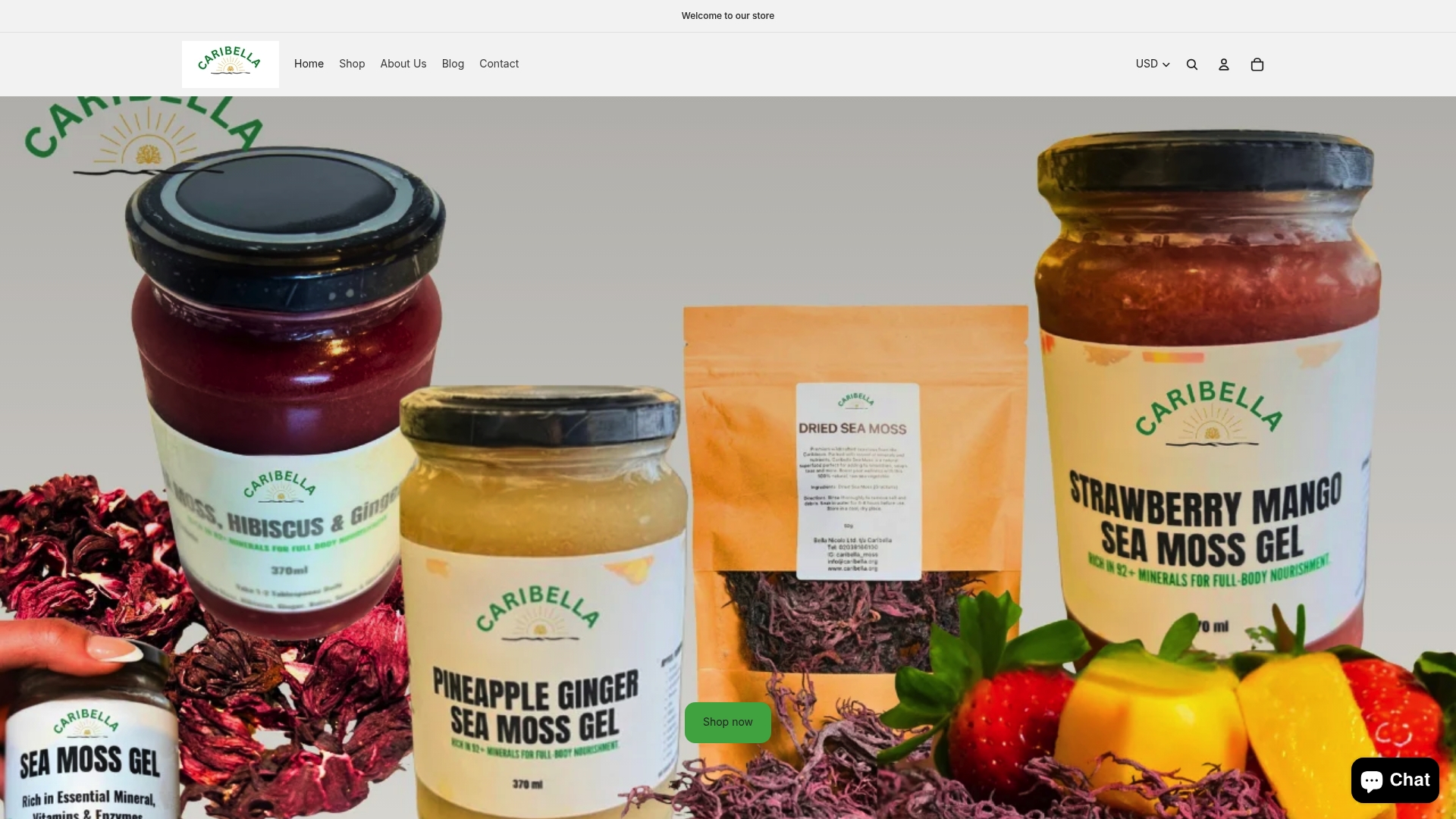
At Caribella, our sea moss gels are crafted from carefully sourced, rigorously tested ingredients inspired by Caribbean wellness traditions. Every batch is selected to meet quality standards that make a real difference to safety and effectiveness. For women looking to support hormone balance alongside gut health, our women’s wellness capsules offer a complementary option as part of a broader daily routine. Whether you are new to sea moss or looking to upgrade your current source, our range is designed with your specific midlife wellness needs in mind.
Frequently asked questions
How much sea moss is safe per day for women?
Most healthcare professionals suggest 1 to 2 tablespoons of prepared gel per day, and it is wise to start at the lower end. Always check with your GP if you have any thyroid concerns, as recommended daily amounts vary based on individual health status.
Can sea moss help with menopause symptoms?
Sea moss may support energy, digestion, and overall nutrient intake during menopause, though no large menopause-specific trials have been completed yet, so direct symptom relief remains a promising but unconfirmed benefit.
Are there any risks to taking sea moss daily?
Yes, particularly around iodine excess. Too much iodine can disrupt thyroid function, and heavy metals remain a risk if the sea moss has been harvested from polluted waters. Always choose third-party tested products.
Is sea moss the same as Irish moss?
Yes. “Irish moss” is simply another name for Chondrus crispus, and the terms are used interchangeably. The benefits and risks for women over 40 are the same regardless of which name appears on the label.