

Herbal teas have been celebrated for centuries, and right now they are having a serious moment in the wellness world. If you are navigating perimenopause or menopause, you may have heard that a cup of the right tea can rebalance hormones, restore energy, and sharpen your immunity almost overnight. The reality is more nuanced, and honestly, more interesting. The evidence around herbal tea benefits for women over 40 is genuinely promising in places, genuinely patchy in others, and always worth understanding properly before you stock up your cupboard.
Table of Contents
- Understanding herbal teas and their mechanisms for wellbeing
- Hormone balance and menopause: benefits and limitations of herbal teas
- Herbal teas for energy, digestion, and immunity during menopause
- Safe use, quality, and practical tips for women aged 40+
- A fresh perspective: what most articles miss about herbal teas for menopause
- Explore quality herbal teas and women’s wellness solutions
- Frequently asked questions
Key Takeaways
| Point | Details |
|---|---|
| Phytoestrogens aid balance | Some herbal teas, like red clover, mimic oestrogen and may help hormone balance during menopause. |
| Gut health boosts immunity | Teas like peppermint and chamomile can support digestion and contribute to better immune health. |
| Quality and safety first | Always choose accredited products and consult a doctor when starting herbal teas, especially with medical conditions. |
| No miracle cures | Herbal teas best complement a balanced lifestyle, not replace medical advice or holistic self-care. |
| Practical use matters | Integrate herbal teas sensibly for everyday energy, digestion, and wellbeing. |
Understanding herbal teas and their mechanisms for wellbeing
To understand what herbal teas can and cannot do, it helps to know how they actually work in the body. These are not inert drinks. Many herbs contain bioactive compounds that interact with your systems in measurable ways, though the effects vary considerably depending on the plant, the preparation, and the person drinking it.
The main mechanisms at play include:
- Phytoestrogens: Certain herbs contain plant compounds that loosely mimic oestrogen in the body. During perimenopause and menopause, when oestrogen levels drop significantly, these compounds may offer mild hormonal support. It is gentle, not equivalent to hormone replacement therapy, but it is real.
- Anti-inflammatory effects: Many common herbal teas, including ginger and chamomile, carry anti-inflammatory properties. Chronic low-level inflammation becomes more relevant after 40, so this is worth taking seriously.
- Antispasmodic properties: Some herbs relax smooth muscle tissue, which is why teas like peppermint are so effective for digestive cramping and bloating.
- Nutrient provision: Certain herbs deliver trace minerals and antioxidants. Not in therapeutic doses, but as part of a broader dietary effort, every bit counts.
As tea for menopause research confirms, herbals act via phytoestrogens, anti-inflammatory effects, muscle relaxation, and nutrient provision, and they work best as an adjunct to diet and exercise rather than a standalone solution.
Pro Tip: Think of herbal teas as the supporting cast in your wellness story, not the lead role. Pair them with sleep, movement, and good nutrition, and you will notice the difference far more than if you rely on tea alone.
It is also worth being honest about expectations. The wellness market is noisy, and the claims on packaging can be persuasive. Focusing on what teas genuinely offer, rather than what a marketing team suggests, puts you in a far stronger position. The foods for menopause conversation matters here too. Teas complement a nutrient-rich diet; they do not replace it. With the complexity now clear, let us explore how herbal teas specifically support hormone health.
Hormone balance and menopause: benefits and limitations of herbal teas
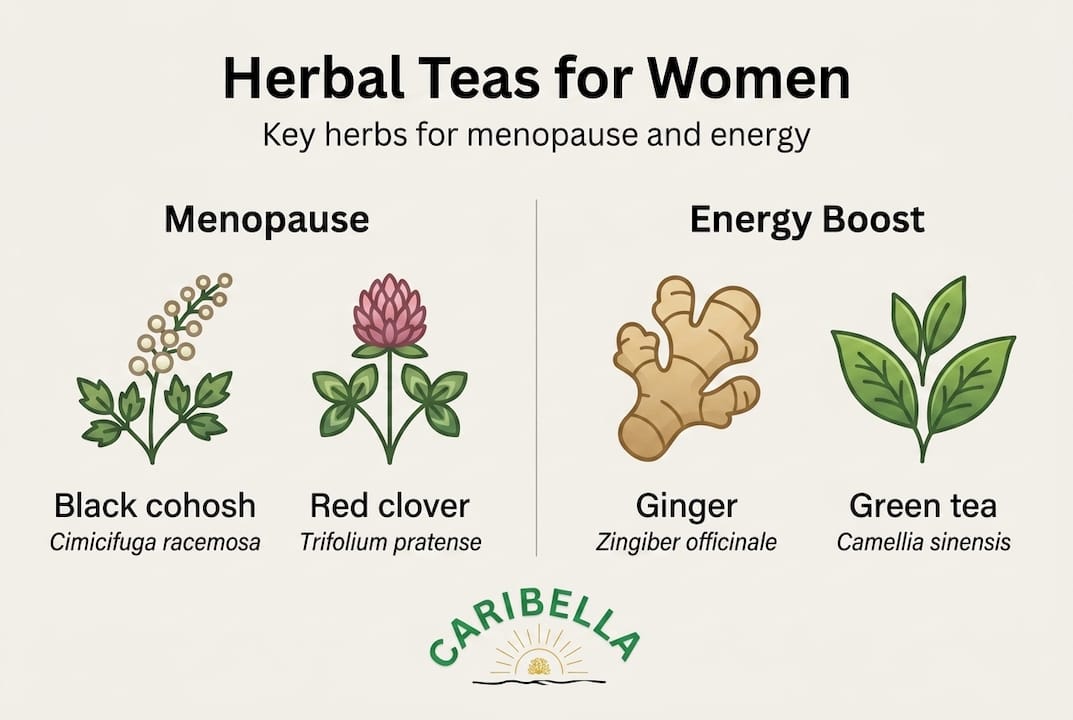
Some herbal teas are more closely associated with hormone support than others. Black cohosh and red clover are the two most commonly discussed. Both provide phytoestrogens and have been studied in the context of menopause symptoms, though the evidence remains mixed and neither is recommended as a first-line treatment under UK guidelines.
Here is a practical overview of popular hormone-supporting teas:
| Herbal tea | Mechanism | Evidence level | Safety notes |
|---|---|---|---|
| Black cohosh | Phytoestrogen activity | Moderate, mixed results | Avoid with liver conditions |
| Red clover | Phytoestrogen (isoflavones) | Moderate, inconsistent | Caution with hormone-sensitive conditions |
| Sage | Reduces hot flushes | Limited but positive signals | Avoid in high doses |
| Valerian | Promotes relaxation and sleep | Mixed | May interact with sedatives |
The NHS advises consulting a doctor before using herbal remedies due to variable product quality and potential medication interactions. Their guidance consistently prioritises lifestyle changes over herbal supplements.
For a thorough look at the evidence and your options, the menopause herbal tea evidence guide covers the key research in accessible terms.
Key points to keep in mind:
- Herbal teas are not regulated as medicines in the UK. Look for products carrying the Traditional Herbal Registration (THR) mark.
- If you are taking prescribed medications, particularly HRT, blood thinners, or antidepressants, always check with your GP before adding herbal teas.
- Women with hormone-sensitive cancers should treat phytoestrogen-containing teas with caution.
“Herbal remedies may seem natural and therefore safe, but they can have side effects and interact with other medicines. Speak to your GP before trying any herbal remedy.” This is the core of the alternative therapies fact sheet from Women’s Health Concern.
Our women’s wellness tea is formulated with these considerations in mind, using quality-selected ingredients designed to support women at this stage. Having covered how teas interact with hormones, let us shift to their practical benefits for energy, digestion, and immunity.
Herbal teas for energy, digestion, and immunity during menopause
Beyond hormones, many women over 40 notice significant shifts in their digestion and energy levels. This is where herbal teas genuinely shine in everyday life.
Digestive teas are arguably the most evidence-supported category:
- Peppermint: Relieves bloating, gas, and IBS-type discomfort through antispasmodic action on the gut wall.
- Chamomile: Soothes the digestive tract and calms nervous tension, which often underpins digestive issues during perimenopause.
- Fennel: Particularly effective for post-meal bloating, a common complaint as digestion slows with age.
Our digestive tea for gut health blends these botanicals thoughtfully for women experiencing these specific symptoms.
| Tea | Reported benefit | Suitability during menopause |
|---|---|---|
| Peppermint | Reduces bloating and cramping | Good, avoid with acid reflux |
| Chamomile | Calms digestion and anxiety | Excellent |
| Fennel | Eases bloating and wind | Good |
| Ginger | Anti-nausea, anti-inflammatory | Excellent |
| Green tea | Gentle energy lift, antioxidants | Good in moderation |
| Ginseng | Supports stamina and focus | Use with guidance |
For energy, ginger tea offers a natural warmth and anti-inflammatory benefit without the caffeine crash of coffee. Green tea provides a gentler lift, alongside antioxidants. Ginseng is more potent and worth researching via the herbal tea for energy guide before you start.
On immunity, it is important to be honest. Direct evidence for an immunity boost from herbal teas specifically during menopause is limited. The more credible pathway is indirect: a healthier gut, supported by teas like peppermint and chamomile, tends to correlate with better immune function. A well-functioning gut supports a well-functioning immune system. That is not a miracle claim. It is just good biology. To ensure choices are safe and personalised, let us explore how women can select and use herbal teas wisely.
Safe use, quality, and practical tips for women aged 40+
Choosing a quality herbal tea matters far more than most people realise. The market is unregulated in many respects, and the gap between a well-formulated product and a cheaply sourced one is significant.
Here is a practical checklist for choosing safely:
- Look for the THR (Traditional Herbal Registration) symbol on packaging. This indicates the product meets UK safety and quality standards.
- Check the ingredient list carefully. Full ingredient transparency is a sign of a trustworthy brand.
- Avoid proprietary blends where exact quantities are hidden behind vague labels.
- Research each herb individually if you are managing any health conditions.
- Start with one new tea at a time so you can identify any reactions clearly.
When to avoid herbal teas altogether:
- During pregnancy or whilst breastfeeding
- If you have a hormone-sensitive cancer diagnosis
- When taking blood thinners, antidepressants, or immunosuppressants
- If your GP advises against them following a review of your medications
The NHS guidance is consistent on this: contrasting views exist between enthusiastic herbal advocates and cautious clinical guidance from NICE and the NHS, and for good reason. Quality varies enormously, and safety concerns are real. That is not a reason to avoid herbal teas entirely; it is a reason to choose thoughtfully.
Pro Tip: Keep a simple wellness diary when introducing herbal teas. Note the tea, the time, and how you feel in the hours after. Over two to three weeks, patterns become clear and you can make genuinely informed decisions rather than relying on guesswork.
Our herbal tea collection is built around ingredient transparency and thoughtful sourcing, because we believe you deserve to know exactly what you are drinking. With evidence, practical application, and safety in mind, it is time for a fresh perspective on herbal teas for wellbeing.
A fresh perspective: what most articles miss about herbal teas for menopause
Most articles tell you which teas to drink. Few tell you why the whole conversation around herbal teas and menopause needs recalibrating.
The honest truth is this: herbal teas are genuinely useful, but only when women approach them as supportive tools within a broader lifestyle, not as alternatives to medical care or replacements for real nutrition. The wellness industry profits from overpromising. We think you deserve something better than that.
As tea for menopause research confirms, these plants work through real mechanisms including phytoestrogens, anti-inflammatory action, and muscle relaxation. But they work best when combined with movement, sleep, stress management, and a varied diet. One cup of red clover tea will not fix a hormone imbalance. Consistent, considered, informed use of quality teas, alongside everything else that supports your body, will move the needle.
Women over 40 navigating herbal teas for gym-goers and recovery are already seeing this in practice. The real benefit comes from treating tea as part of a ritual of care, not a quick fix.
Explore quality herbal teas and women’s wellness solutions
If this article has helped you see herbal teas with clearer eyes, the next step is finding products that genuinely meet your standards.
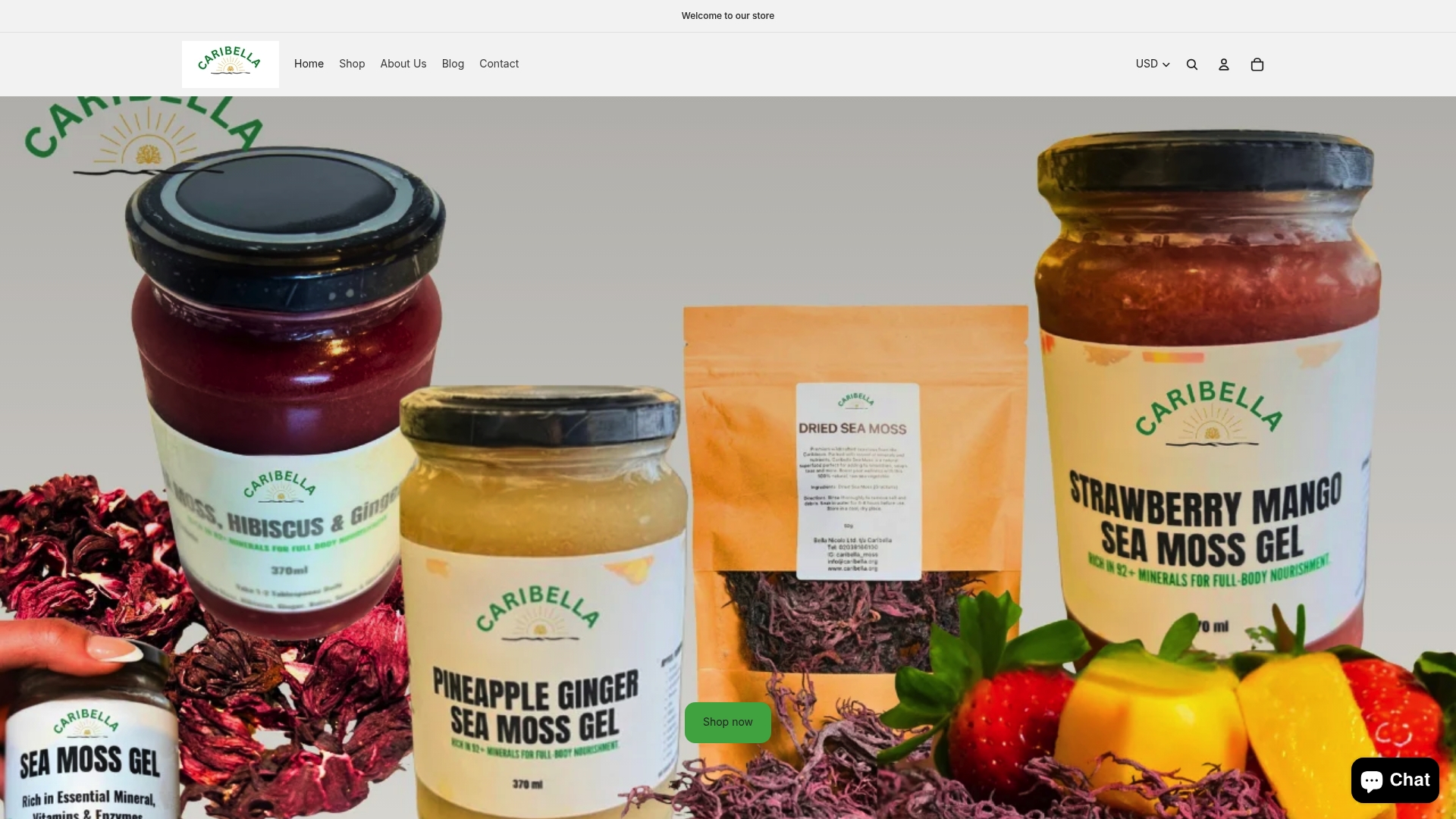
At Caribella, our herbal tea collection is designed specifically with women’s wellbeing in mind, drawing on Caribbean botanical traditions and prioritising ingredient transparency. Whether you are managing menopause symptoms, supporting your digestion, or simply looking for a daily ritual that feels nourishing, our range has something for you. Explore our women’s wellness bundle for hormone-focused support, or discover our wellness capsules if you prefer a more concentrated approach alongside your daily cup.
Frequently asked questions
Are herbal teas safe for women experiencing menopause?
Most herbal teas are safe when used responsibly, but you should consult your GP first, particularly if you are on medication, as quality varies widely and interactions are possible. NHS guidance consistently recommends professional advice before starting any herbal remedy.
Which herbal teas may help with hormone balance?
Teas containing black cohosh and red clover provide phytoestrogens that may offer mild hormonal support, though evidence is mixed and they are not a first-line recommendation under UK guidelines.
Can herbal teas boost immunity during menopause?
Direct immunity evidence is limited, but teas like peppermint and chamomile may support immune function indirectly by improving gut health, which plays a significant role in overall immune response.
Who should avoid herbal teas?
Women who are pregnant, have hormone-sensitive cancers, or take certain medications should avoid many herbal teas due to potential interactions and safety concerns. Always seek GP advice before starting.
Recommended
- Herbal tea for energy: a guide for women over 40 – Caribella
- Herbal teas for menopause: evidence and top options – Caribella
- Herbal teas for gym-goers: energy and recovery, women 40+ – Caribella
- Herbal tea benefits: a guide for women over 40 – Caribella
- 5 alternatives naturelles au café pour booster votre énergie – Vitalcup