

Hot flushes arrive without warning, night sweats soak your pyjamas at 3am, and by morning you feel wrung out before the day has even begun. For women in perimenopause and menopause, staying properly hydrated is harder than it sounds. Herbal teas contribute to daily hydration while offering gentle, plant-based support for the very symptoms that are draining your fluids in the first place. This guide walks you through choosing the right teas, building a daily routine, staying safe, and tracking real results so you can feel the difference.
Table of Contents
- Understanding hydration needs during menopause
- What you need to get started with herbal teas
- Step-by-step: using herbal teas for daily hydration
- Troubleshooting and safety: common mistakes to avoid
- How to track your results and adjust your routine
- Why not all herbal tea advice fits every woman: our experience
- Explore herbal teas and wellness support with Caribella
- Frequently asked questions
Key Takeaways
| Point | Details |
|---|---|
| Herbal teas support hydration | Caffeine-free herbal teas help women in menopause stay hydrated and soothe symptoms. |
| Safe choices matter | Choose teas suited to your symptoms and check for medication or health interactions. |
| Routine boosts benefits | A consistent herbal tea routine makes it easier to reach NHS-recommended fluid intake. |
| Monitor and adjust | Track symptom improvement and adjust blends and timing for optimal results. |
Understanding hydration needs during menopause
Most of us know we should drink more water. But during perimenopause and menopause, the stakes are higher than usual. Hot flushes and night sweats are essentially your body losing fluid at speed, and if you are not actively replacing it, that deficit builds up across the day and night.
NHS guidelines recommend 6 to 8 glasses of fluids daily, roughly 1.5 to 2 litres. The good news is that herbal teas, such as chamomile, peppermint, and fruit blends, count towards this total. Caffeinated drinks like standard black tea and coffee do not, because caffeine has a mild diuretic effect that can tip the balance the wrong way.
Herbal teas hydrate through two routes: the fluid volume itself (roughly 250ml per cup) and the electrolytes and trace minerals naturally present in certain herbs. Both matter when vasomotor symptoms are pushing your body to lose fluid faster than it can replace it.
Here is how key factors compare:
| Factor | Herbal tea | Caffeinated tea | Plain water |
|---|---|---|---|
| Counts toward daily intake | Yes | Partially | Yes |
| Diuretic risk | No | Mild | No |
| Added minerals/electrolytes | Yes (herb-dependent) | Low | No |
| Symptom support | Yes | No | No |
Key hydration facts worth keeping in mind:
- Pale straw-coloured urine is your best real-time hydration indicator
- Mild dehydration can worsen fatigue, brain fog, and headache, all common menopause complaints
- Herbal teas can replace a significant portion of daily fluid intake without any drawbacks
- Cold-brewed herbal teas are equally effective for hydration and are refreshing in warmer months
“Remaining well hydrated supports every body system, and for women in menopause, it can reduce the severity of symptoms that are already disruptive enough.”
Explore our in-depth look at herbal teas for menopause to understand the broader evidence, and see how hydration and energy during menopause are more closely linked than most people realise.
With a clearer understanding of dehydration during menopause, let us look at what you need to get started with herbal teas.
What you need to get started with herbal teas
Not all herbal teas are created equal, and choosing the right ones for your symptoms makes a meaningful difference. Here is a practical overview of the most popular options and what the evidence says about each.
| Herbal tea | Key benefit | Best for |
|---|---|---|
| Sage | Reduces hot flush frequency by up to 64% in studies | Hot flushes, excessive sweating |
| Chamomile | Calming, supports sleep quality | Anxiety, poor sleep |
| Peppermint | Cooling sensation, aids digestion | Hot flushes, bloating |
| Red clover | Contains phytoestrogens | Hormonal balance support |
| Fruit blends (hibiscus, rosehip) | Rich in vitamin C, antioxidants | General hydration, immunity |
| Ginger | Anti-inflammatory, warming | Nausea, joint discomfort |
Sage stands out in the research. Studies show it reduces hot flush severity significantly, and while most robust trials used standardised extracts rather than loose-leaf infusions, the infusion form still delivers meaningful levels of the active compounds. Two to three cups daily is a reasonable and safe target.
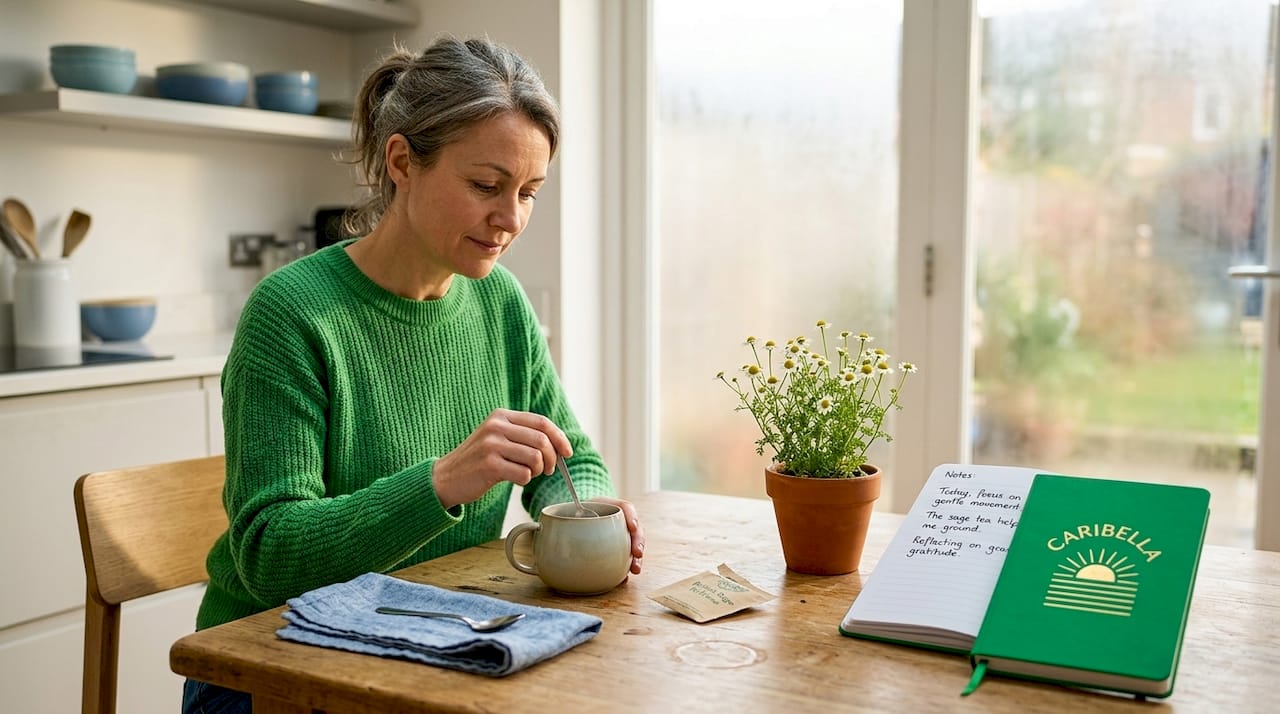
Safety is non-negotiable. The NHS advises that herbal remedies can interact with prescription medications and cause side effects if used carelessly. Sage, for instance, contains thujone, a compound that becomes problematic above roughly six cups per day. Liquorice root can raise blood pressure, which matters if you are already managing hypertension.
What to look for when buying herbal teas:
- THR mark: The Traditional Herbal Registration mark indicates the product meets UK safety standards
- Organic certification: Reduces pesticide exposure
- Single-herb options: Easier to identify which herb is causing any reaction
- No added caffeine or artificial flavourings: Keep it genuinely caffeine-free
When buying loose herbs, use a stainless steel or glass infuser rather than plastic, particularly with boiling water. Always check whether a new tea interacts with any medicines you take, and if you are unsure, ask your GP or pharmacist before starting.
Consider exploring our guidance on herbs for digestive support during menopause, as digestive symptoms are often overlooked alongside hot flushes but equally disruptive.
Pro Tip: If you are new to herbal teas, start with chamomile or a simple fruit blend. These are the gentlest options, unlikely to interact with most medications, and are easy to drink daily without any adjustment period.
Now that you know which teas to choose and how to stay safe, let us walk through using them daily for effective hydration.
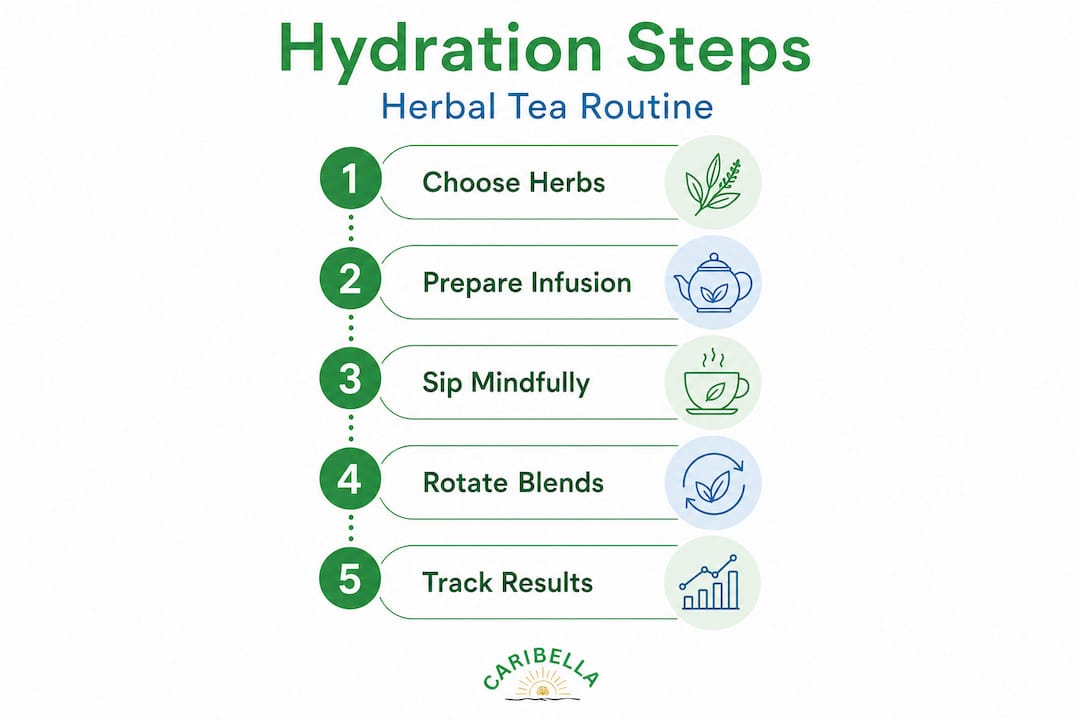
Step-by-step: using herbal teas for daily hydration
Building a herbal tea routine does not need to be complicated. The goal is to make it habitual and enjoyable, so you actually stick to it day after day.
Here is a simple daily structure that works well for most women in perimenopause and menopause:
- Morning (7am to 9am): Start with a cup of sage tea. This is the time when oestrogen levels are naturally at a low point and the body benefits most from the mild hormone-supportive compounds in sage. Use one teaspoon of dried sage leaves in 250ml of freshly boiled water steeped for 5 to 8 minutes.
- Mid-morning (10am to 11am): Follow with a cup of peppermint or ginger tea. Both support digestion and provide a natural energy lift without caffeine. Steep for 5 minutes and drink while warm.
- Afternoon (2pm to 3pm): A fruit blend such as hibiscus or rosehip provides vitamin C and antioxidants at the time of day when energy typically dips. It is also cooling if served over ice.
- Evening (8pm to 9pm): Chamomile is the natural choice here. Its mild sedative properties are well documented and support the quality of sleep that night sweats so often disrupt. Steep for 8 to 10 minutes for maximum effect.
- Track your total intake: Use a simple notebook or phone app to log each cup. Add plain water between teas so your total fluid intake reaches the NHS-recommended 1.5 to 2 litres daily.
“Consistency matters more than perfection. Two to three herbal teas per day, maintained over several weeks, delivers far more benefit than occasional large doses of any single herb.”
Practical brewing tips worth knowing:
- Use water just off the boil (around 90°C) for delicate herbs like chamomile to avoid bitterness
- Cover your cup while steeping to keep volatile oils from escaping with the steam
- Add a slice of lemon or a small amount of honey if you find plain herbal teas unappealing at first
- Batch-brew a large pot of fruit tea and refrigerate it as a ready-made cold drink
Pro Tip: Rotate your blends across the week rather than drinking the same tea every day. Rotation reduces the risk of building up any single plant compound to excess, and it keeps your routine enjoyable rather than monotonous. Try three or four different teas and cycle through them.
See how to build on this with our guide to building energy with herbal tea specifically for women over 40.
Once you have started your daily herbal tea routine, it is important to spot warning signs and troubleshoot common mistakes, ensuring you get the full benefits safely.
Troubleshooting and safety: common mistakes to avoid
Even gentle plant remedies carry risk if used without thought. These are the most common pitfalls and how to avoid them.
- Drinking too much sage: More than six cups daily risks thujone accumulation. Stick to two cups maximum.
- Using liquorice tea alongside blood pressure medication: NHS guidance is clear that liquorice root can raise blood pressure and interact with antihypertensives and corticosteroids.
- Introducing multiple new teas at once: If you develop a reaction, you will not know which herb caused it. Introduce one new tea at a time and wait three to five days before adding another.
- Ignoring persistent symptoms: Herbal teas are complementary support, not a replacement for medical care. Persistent headache, nausea, or worsening dehydration despite adequate intake needs a GP appointment.
- Assuming all-natural means always safe: Natural does not equal harmless. Certain herbs require caution for women on HRT or blood thinners, and nettle and dandelion teas are diuretic and may worsen issues in women with low blood pressure or low potassium.
“If you are on any regular medication, check with your GP or pharmacist before adding herbal teas to your routine. A two-minute conversation can prevent a significant problem.”
Symptoms that always warrant a GP conversation:
- Nausea or vomiting after drinking a new herbal tea
- Skin rash or itching, which may signal an allergic response
- Palpitations or dizziness, particularly with teas containing stimulating herbs
- No improvement in dehydration symptoms despite consistent fluid intake
Our safety workflow for herbal remedies during menopause gives you a clear step-by-step process for introducing any new remedy without risk.
By sidestepping these mistakes and staying safety-focused, you are ready to evaluate how well herbal teas are improving your hydration and wellbeing.
How to track your results and adjust your routine
Tracking does not have to be onerous. A simple daily log of what you drank, when, and how you felt can reveal patterns within two to three weeks that tell you exactly which teas are working hardest for you.
Here is a simple weekly tracking template:
| Day | Teas consumed | Total fluids (ml) | Hot flushes | Energy (1-5) | Sleep quality (1-5) |
|---|---|---|---|---|---|
| Monday | Sage, chamomile, fruit blend | 1,800ml | 4 | 3 | 2 |
| Tuesday | Sage, peppermint, chamomile | 2,000ml | 3 | 3 | 3 |
| Wednesday | Sage, fruit blend, chamomile | 1,900ml | 2 | 4 | 4 |
Signs that your hydration is genuinely improving:
- Urine colour shifts to pale straw rather than dark yellow
- Fewer headaches across the day
- Energy feels more consistent, with less mid-afternoon crash
- Hot flushes reduce in frequency or feel less intense
- Sleep quality improves, particularly fewer night sweat episodes
Research confirms that consistent daily herbal tea intake helps replace fluids lost to vasomotor symptoms over time. A clinical trial published in a peer-reviewed journal found that herbal tea capsules reduced hot flash scores significantly against placebo over eight weeks in postmenopausal women, suggesting the plant compounds in these herbs carry real pharmacological weight, not just placebo benefit.
Adjust your blend based on what your tracking shows. If hot flushes are particularly bad in a given week, increase your sage to twice daily. If sleep is suffering, make chamomile a non-negotiable part of your evening. If energy is low, add ginger or peppermint in the afternoon slot. The routine should serve you, not the other way around.
Our guide to tracking recovery with herbal teas offers further practical frameworks for women over 40.
Why not all herbal tea advice fits every woman: our experience
Here is something most herbal tea content will not tell you: the evidence base for herbal teas in menopause, while promising, is genuinely mixed. Most well-designed studies focus on concentrated extracts rather than brewed infusions. That matters because the concentration of active compounds in a standard cup of sage tea is considerably lower than what was tested in a clinical trial.
The NHS is measured in its assessment, describing herbal remedies as complementary support rather than treatment. NICE does not currently recommend specific herbal preparations as first-line menopause management. That does not mean they are useless. It means the benefits are real but modest, and they work best alongside a broader approach that includes good sleep hygiene, movement, and nutrition.
What our experience working with women in perimenopause and menopause tells us is that personalisation is everything. One woman may find sage tea genuinely transformative for her hot flushes. Another may notice nothing from sage but feel dramatically calmer after two weeks of chamomile. There is no universal menopause tea prescription, and any source that presents one is oversimplifying.
The practical wisdom is this: treat herbal teas as your own gentle experiment. Start with one herb at a time, observe honestly, and build a routine around what your body actually responds to. Combine that with the practical guide to herbal supplements for women over 40, and you will be making genuinely informed choices rather than following generic advice that may not suit your biology at all.
Explore herbal teas and wellness support with Caribella
Finding quality herbal teas that are genuinely formulated with menopausal women in mind is not always straightforward. Most supermarket options are broad blends without the potency or purity that makes a real difference.
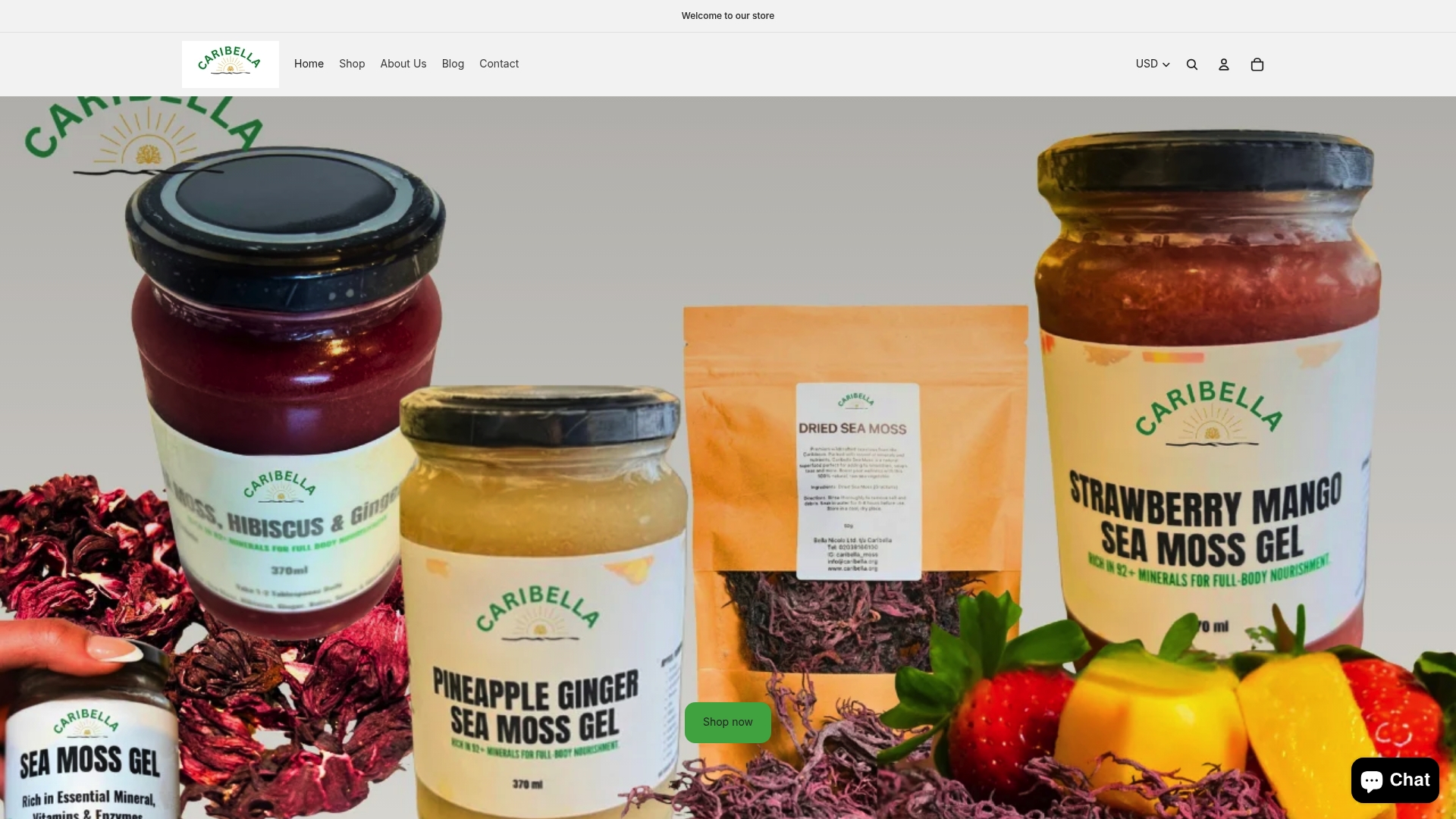
At Caribella, we draw on Caribbean plant traditions to offer herbal teas selected specifically for energy, hormone balance, digestion, and restful sleep. Our Caribella herbal tea collection includes single-herb and blended options, all sourced with quality and safety at the forefront. If you are looking for targeted support, our hormone-balancing herbal tea blend is designed to work alongside your body’s changing needs during perimenopause and menopause, making daily hydration something you genuinely look forward to.
Frequently asked questions
Can I replace plain water with herbal teas for all my hydration?
Herbal teas count towards daily fluid intake but should complement, not fully replace, water, as variety supports overall health and some teas carry mild compounds that accumulate with very high intake.
Are there any herbal teas I should not drink during menopause?
Avoid excess sage, liquorice, nettle, and dandelion teas if you take hormone replacement therapy, blood thinners, or blood pressure medication. The NHS recommends consulting your GP before starting any herbal remedy alongside regular medication.
How quickly will I notice hydration or symptom improvement from herbal teas?
Mild improvements may begin within two to four weeks of consistent use. A clinical trial found hot flash scores reduced significantly after eight weeks, though results vary from person to person.
Are herbal teas truly safe if I take daily medication?
Some herbal teas can interact with common medications, including antihypertensives, anticoagulants, and antidepressants. Always check with your GP and choose THR-marked regulated products to ensure what you are drinking meets UK safety standards.