

More women over 40 in the UK are turning away from synthetic supplements and looking for plant-based solutions to manage the often exhausting symptoms of perimenopause and menopause. Sea moss has surged in popularity as a natural option, yet the sheer volume of claims surrounding it makes it genuinely difficult to separate what works from what is wishful thinking. This article covers the real mineral science behind sea moss, how to use it safely, what results you can realistically expect, and how to build it into a wider wellness routine that actually supports your body through midlife.
Table of Contents
- Why consider sea moss for menopause and energy?
- Top tips for safe and effective sea moss use
- What results and benefits to expect
- How to enhance results: combining sea moss with other habits
- What most guides get wrong about sea moss and midlife wellness
- Where to find quality sea moss and support for your wellness journey
- Frequently asked questions
Key Takeaways
| Point | Details |
|---|---|
| Supports menopause and energy | Sea moss provides minerals that may help balance hormones, boost energy, and ease some menopause symptoms. |
| Moderation is essential | Too much sea moss can disrupt thyroid health, so stick with small, routine servings and consult your GP. |
| Combine for better results | Pairing sea moss with herbal teas, good nutrition, and movement can help amplify overall wellness effects. |
| Expect gradual, not instant, change | Benefits are often gentle and cumulative, not dramatic—for best outcomes, watch for subtle shifts in how you feel. |
Why consider sea moss for menopause and energy?
Sea moss, also known as Irish moss or Chondrus crispus, is a red seaweed harvested from Atlantic coastlines and used for centuries across Caribbean and Irish communities as a nourishing food and home remedy. Its appeal has exploded in recent years because modern women are looking for exactly what it offers: a dense nutritional profile from a whole-food source.
The mineral content is genuinely impressive. Sea moss provides key minerals including iodine (up to 6.3mg per 100g), magnesium, potassium, calcium, iron, zinc, and selenium that support thyroid function, bone health, energy levels, and mood stability. For women in midlife, these are not abstract numbers. Declining oestrogen affects mineral absorption, thyroid sensitivity, and bone density all at once, which is why this particular combination of nutrients resonates so strongly with the perimenopausal experience.
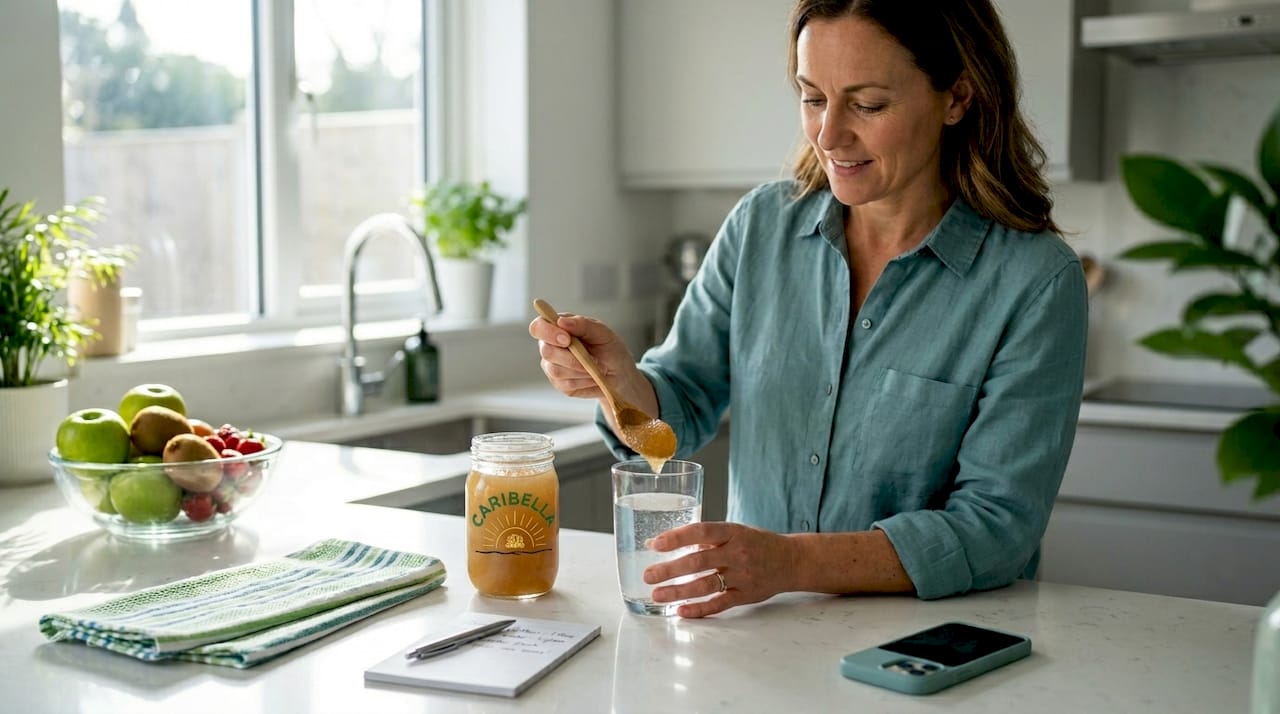
The connection to energy is especially relevant. Iron and iodine both feed into thyroid hormone production, which regulates how efficiently your body converts food into fuel. Magnesium supports nerve function and sleep quality, and potassium helps regulate the cardiovascular changes that menopause can bring. When you read about sea moss and menopause from a mineral perspective, the logic becomes clear, even if the human clinical data is still catching up.
That said, the buzz around sea moss often runs ahead of the evidence. Most existing studies are small, short-term, or focused on animals. The mineral logic holds and the anecdotal reports are widespread, but this is not a medically proven menopause treatment. Think of it as a smart nutritional addition, not a replacement for medical guidance.
Sea moss may help support:
- Thyroid hormone regulation and metabolic energy
- Fatigue and low vitality linked to mineral gaps
- Mood swings and emotional stability via magnesium
- Hot flashes through improved hormonal mineral balance
- Immune resilience, especially during seasonal changes
- Bone mineral density as oestrogen declines
- Digestive regularity through natural fibre and mucilage
Sea moss offers plant-based mineral support for energy, immunity, and menopause symptom relief, but prioritise moderation and thyroid screening for women 40+.
Now that we have set the scene for why sea moss has become popular, let us see how to use it wisely.
Top tips for safe and effective sea moss use
Understanding the benefits is only half the picture. How you source, dose, and incorporate sea moss matters enormously, particularly for women over 40 whose thyroid function may already be shifting.
-
Choose wildcrafted over farmed sea moss. Wildcrafted sea moss grows in its natural ocean environment and tends to have a richer, more consistent mineral profile. Look for wildcrafted sea moss tips from reputable UK suppliers who can confirm sourcing. Avoid products with added fillers, artificial colours, or vague “sea vegetable blend” labels.
-
Keep your daily serving modest. A typical serving of sea moss gel for women over 40 is one to two tablespoons per day. This is enough to benefit from its mineral content without overloading on iodine. Iodine in sea moss supports thyroid hormone production of T3 and T4, which regulate metabolism, energy, and mood, but excess iodine can disrupt the thyroid just as readily as deficiency.
-
Talk to your GP before starting. This is not a formality. Research shows that iodine intake can exceed safe upper limits among habitual seaweed consumers, with measurable changes in TSH levels after sustained use. If you have any history of thyroid conditions, autoimmune issues, or are on blood pressure or thyroid medication, a brief conversation with your GP could prevent a real problem.
-
Blend it into everyday foods. Sea moss gel is nearly tasteless when mixed into food or drink. Stir it into porridge, blend it into a fruit smoothie, or dissolve it into herbal tea. Learning how to make sea moss gel at home can also save you money and gives you full control over quality. If you prefer convenience, capsule formats remove the guesswork entirely.
-
Be cautious if you have specific health conditions. Women with Hashimoto’s thyroiditis, Graves’ disease, or kidney problems should exercise particular care. Sea moss can interact with blood-thinning medications due to its natural anticoagulant properties. Checking with a pharmacist is always worthwhile.
-
Cycle your use rather than taking it every single day. Using sea moss five days on and two days off each week, or taking a one-week break monthly, allows your body to reset and prevents gradual mineral accumulation. Rotating it with other plant-based foods like flaxseed, chlorella, or ashwagandha keeps your overall approach balanced and reduces dependency on any single ingredient.
Pro Tip: If you are new to sea moss, start with half a tablespoon daily for the first two weeks and monitor how your energy and digestion respond before increasing the amount. This approach is especially important for energy and digestion after 40, when the gut microbiome can be more sensitive to dietary changes.
Once you understand how to use sea moss safely, it helps to know what particular results or experiences to look for.
What results and benefits to expect
One of the most important things we can tell you honestly is this: do not expect sea moss to transform your menopause experience in a week. The evidence base is real but limited, and understanding where it sits on the spectrum of certainty helps you set realistic expectations.
| Benefit area | Evidence level | Notes |
|---|---|---|
| Energy support | Mechanistic (logical) | Based on iron, iodine, and B-vitamin content |
| Menopause symptom relief | Largely anecdotal | No large RCTs; mineral logic supports it |
| Immune support | Early human evidence | Polysaccharides show promise in small trials |
| Glucose regulation | Small trials only | Modest results in studies with under 60 participants |
| Digestive regularity | Small RCT evidence | Improved stool frequency noted in trials |
| Skin and collagen support | Mechanistic | Linked to zinc and amino acid content |
| Bone mineral support | Mechanistic | Calcium and magnesium content relevant post-menopause |
Small RCTs show modest benefits such as reduced glucose and better stool frequency, but no large menopause-specific trials have been conducted. This does not mean sea moss is ineffective. It means the science is still catching up with the centuries of traditional use. The sea moss mineral nutrition profile gives us a logical framework for why many women report improvements, but individual responses will genuinely vary.
Signs that sea moss may be benefiting you:
- Milder or less frequent hot flashes over several weeks
- More consistent energy levels across the day, with fewer crashes
- Improved mood stability and reduced irritability
- Better digestive regularity and less bloating
- Fewer colds or faster recovery when you do get ill
- Gradual improvement in skin moisture and elasticity, which you can also explore through research on sea moss for skin
Tracking these changes in a simple wellness journal makes a real difference. Women over 40 often have multiple factors affecting how they feel on any given day. Writing down energy, sleep quality, and symptom frequency for four to six weeks gives you a personalised picture that no generic article can provide.
Knowing what to expect can help you get the most from sea moss. Here is how to enhance your wellness routine for the best impact.
How to enhance results: combining sea moss with other habits
Sea moss works best as part of a broader, consistent wellness routine rather than a standalone fix. The women who report the most noticeable shifts are typically those who pair it with complementary lifestyle habits.
| Pairing | Why it works | Easy way to combine |
|---|---|---|
| Sea moss and herbal tea | Soothes digestion, adds plant compounds for mood | Dissolve gel into chamomile or red clover tea |
| Sea moss and vitamin D | Bone and immune synergy; both often deficient at 40+ | Take vitamin D supplement alongside morning sea moss |
| Sea moss and fermented foods | Gut microbiome support amplifies mineral absorption | Add sea moss gel to kefir or have it before a probiotic |
| Sea moss and gentle movement | Circulation and lymphatic flow support mineral uptake | Morning walk followed by sea moss smoothie |
| Sea moss and magnesium-rich foods | Doubles down on sleep and mood support | Sea moss in a smoothie with banana and dark leafy greens |
Seaweed supports immunity via polysaccharides, and combining this with herbal teas that contain adaptogenic or anti-inflammatory compounds can create meaningful synergy. Exploring herbal teas for menopause alongside sea moss is one of the most practical steps you can take.
Quick wins to try this week:
- Swap your second cup of black tea for a herbal blend and stir in half a tablespoon of sea moss gel
- Add sea moss to your morning porridge with berries and a sprinkle of ground flaxseed
- Take a 20-minute walk after breakfast to support circulation and metabolic function
- Drink at least 1.5 litres of water daily, as sea moss gel absorbs water and works best in a hydrated body
- Build a calming bedtime ritual around a warm herbal drink with sea moss to support sleep quality
Pro Tip: Attach your sea moss habit to something you already do consistently, such as making breakfast or preparing your evening tea. This habit-stacking approach makes it far easier to maintain than trying to remember a separate supplement routine.
What most guides get wrong about sea moss and midlife wellness
Here is something we feel strongly about at Caribella: the wellness industry often does sea moss a disservice by presenting it as a miracle remedy. The “it cures everything” narrative is not only inaccurate but can genuinely mislead women who are already navigating a complex and vulnerable time in their health journey.
The most important thing recent research tells us is that iodine balance is everything. Sea moss offers plant-based mineral support for energy, immunity, and menopause symptom relief via magnesium and potassium, but the iodine content demands respect. Too much for too long can suppress thyroid function rather than support it. This is not a reason to avoid sea moss. It is a reason to use it with awareness.
The women who benefit most are not those who take the highest doses or rely on it exclusively. They are the ones who treat it as one tool in a wider toolkit: consistent sleep routines, regular movement, GP check-ups, and a varied plant-rich diet. Sea moss fits beautifully into that picture when used at modest, steady amounts. It is worth reading about Irish moss risks alongside the benefits to form a complete view.
We also think the lack of large clinical trials should not be weaponised to dismiss sea moss entirely. Absence of large RCTs is a funding and research priority issue, not proof that the benefits do not exist. The mineral logic is sound. The traditional use is centuries deep. The early human evidence is encouraging. Your job is simply to approach it with clear eyes and good guidance.
Sea moss is a powerful tool if used wisely, but no single remedy replaces sleep, movement, or regular check-ups for hormone and thyroid balance.
Where to find quality sea moss and support for your wellness journey
If you are ready to explore sea moss as part of your midlife wellness routine, the quality of what you choose matters as much as how you use it.
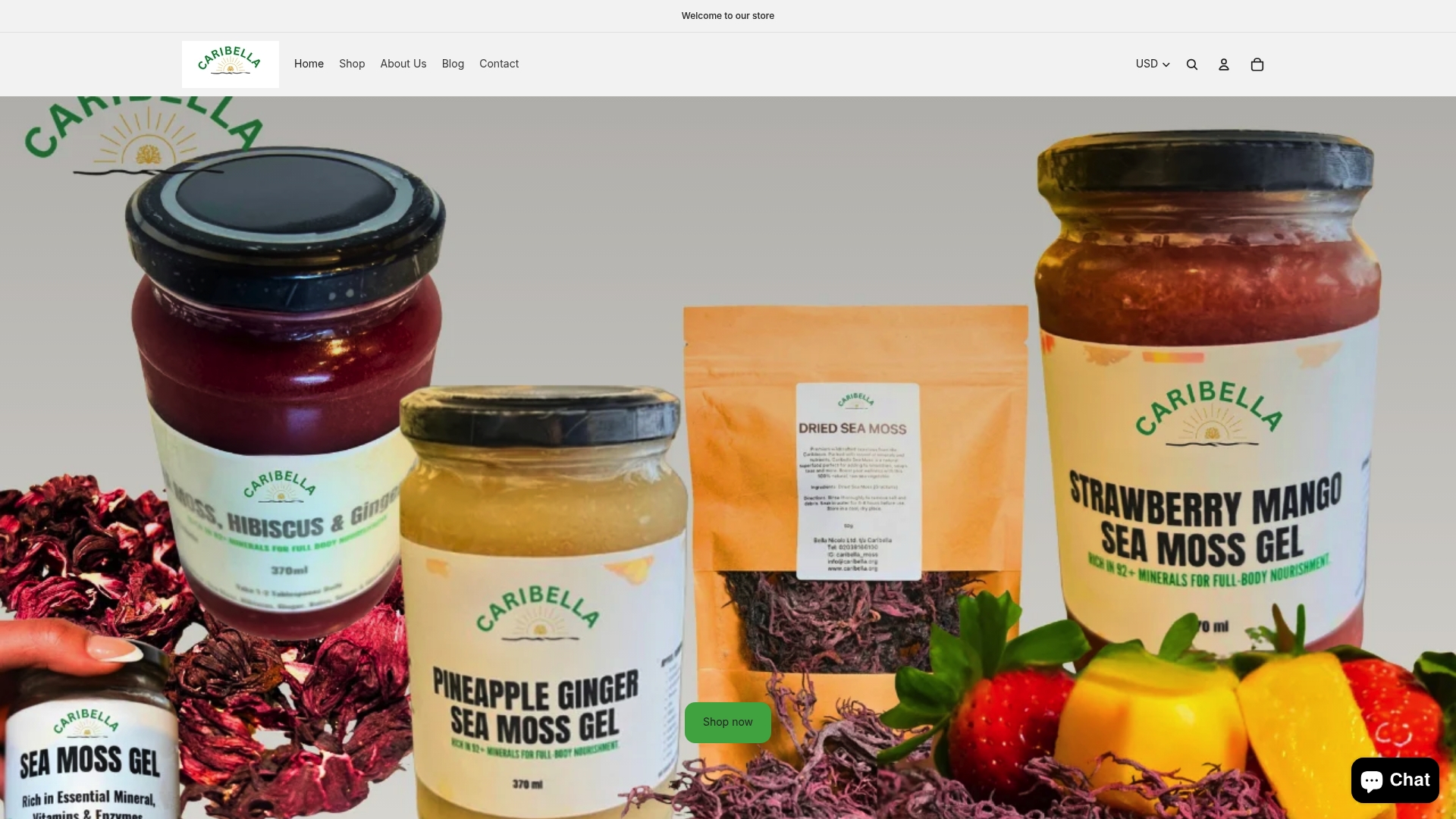
At Caribella, we source wildcrafted sea moss and formulate our gels, capsules, and herbal teas with women over 40 firmly in mind. Our sea moss gels are available in natural and flavoured varieties, making them easy to work into your daily routine without any unpleasant taste. We also offer wellness bundles that pair sea moss with complementary herbal teas to give you a more complete approach to energy, digestion, and menopause support. Every product is made with transparency about sourcing and ingredient quality, so you can make confident, informed choices for your body.
Frequently asked questions
Is sea moss safe for women with thyroid conditions?
Sea moss is high in iodine, which can either support or disrupt thyroid balance depending on your individual situation. Always speak to your GP before using it if you have any thyroid condition, as iodine in sea moss can disrupt thyroid function if taken in excess.
How much sea moss should a woman over 40 eat per day?
One to two tablespoons of sea moss gel per day is a sensible starting point for most women over 40. Research shows that median iodine intake exceeded safe upper limits among habitual seaweed consumers, so moderation is genuinely important rather than just cautious advice.
Does sea moss really help with menopause symptoms?
Sea moss minerals such as magnesium and potassium may help ease hot flashes, mood changes, and fatigue, but the honest answer is that no large menopause-specific trials have been completed. The benefits are currently mechanistic and anecdotal rather than clinically proven.
What are the best ways to take sea moss for energy and immunity?
Blending sea moss gel into a morning smoothie, stirring it into porridge, or dissolving it in warm herbal tea are all effective and easy approaches. Consistency over several weeks matters far more than the specific method you choose.
Recommended
- Sea moss benefits for women: energy, digestion after 40 – Caribella
- Wildcrafted sea moss: natural wellness for women 40+ – Caribella
- Sea moss nutrition: key minerals for women 40+ (2026) – Caribella
- Sea moss benefits for women’s health and menopause – Caribella
- Supplements in preventive health: What really works? - SUPERIOR Formulas