

Sea moss has moved well beyond Caribbean kitchen shelves and into the daily routines of women across the UK who are quietly rethinking what good skin care actually looks like. But somewhere between the glowing testimonials on social media and the cautious language of clinical researchers, a lot of confusion has taken root. Is sea moss genuinely useful for skin, or is it simply the latest plant-based trend dressed up in impressive-sounding science? This guide cuts through the noise, explaining what the evidence actually shows, who stands to benefit most, and how women over 40 can use sea moss safely and confidently as part of a thoughtful, holistic beauty routine.
Table of Contents
- What is sea moss and how does it affect skin?
- Internal and topical use: what does the evidence show?
- Who should (and shouldn’t) use sea moss for skin?
- Practical guidance: using sea moss safely in your routine
- A reality check: hype, evidence, and holistic beauty choices
- Explore natural solutions for skin health
- Frequently asked questions
Key Takeaways
| Point | Details |
|---|---|
| Hydration and protection | Sea moss provides a film-forming and antioxidant shield that helps hydrate and protect mature skin. |
| Collagen support | Its minerals and amino acids may support collagen production for improved skin elasticity. |
| Evidence is limited | Robust clinical data are lacking for skin-specific outcomes, so benefits are mostly plausible rather than proven. |
| Plant-based suitability | Sea moss fits holistically into plant-based skincare routines, especially for women aged 40+. |
| Safety considerations | Check iodine levels and contraindications before use, especially if you have thyroid issues or sensitivities. |
What is sea moss and how does it affect skin?
Sea moss, known scientifically as Chondrus crispus, is a species of red algae that grows along the rocky Atlantic coastlines of Ireland, Britain, and the Caribbean. It has been used for centuries in traditional Caribbean and Irish cooking, prized for its thickening properties and mineral content. Today, it is attracting serious attention from researchers and wellness communities alike, not just as a food ingredient but as a skin health ally.
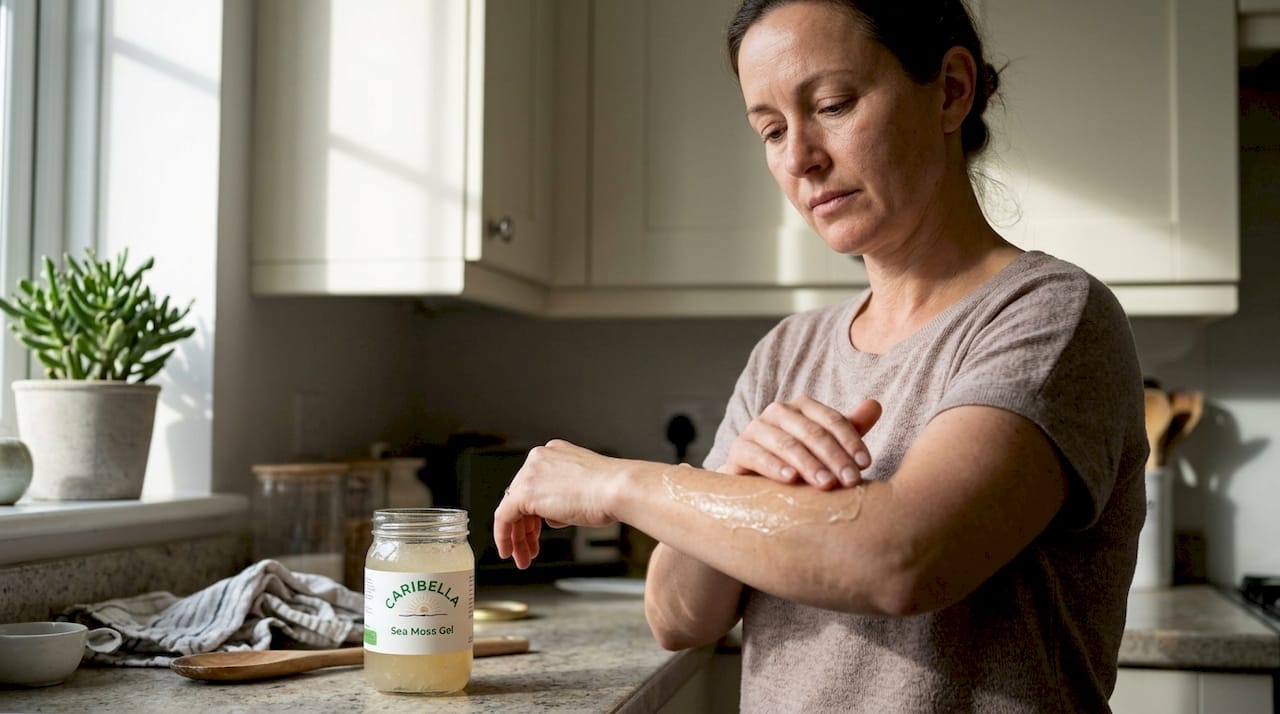
The compounds that matter most for skin are the sulfated carrageenans, a family of complex polysaccharides (long-chain sugars) that give sea moss its characteristic gel-like texture. When applied to skin, these polysaccharides form a breathable film that locks in moisture, reduces water loss, and creates a soft, plumped appearance. That film-forming action is similar to what you find in expensive hyaluronic acid serums, but it comes from a whole-food plant source.
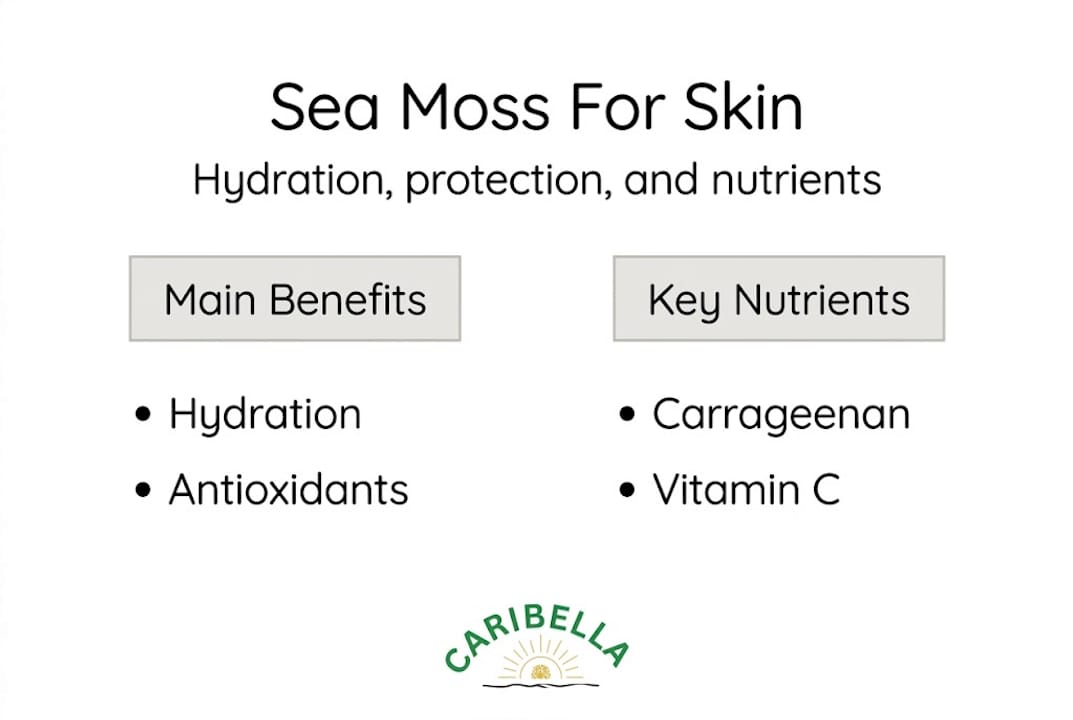
Beyond hydration, sea moss delivers meaningful antioxidant protection. Free radicals, which are unstable molecules generated by UV exposure, pollution, and normal metabolic processes, are a key driver of visible skin ageing. The polysaccharides and associated phytonutrients in sea moss actively scavenge these free radicals, reducing oxidative damage to skin cells. This is particularly relevant for women over 40, when the skin’s own antioxidant defence mechanisms naturally become less efficient.
There is also an anti-inflammatory dimension worth noting. Chronic low-grade inflammation is increasingly linked to accelerated skin ageing, a process researchers sometimes call “inflammaging.” Sea moss compounds have shown anti-inflammatory properties in laboratory settings, which may help calm reactive or redness-prone skin over time.
It helps to understand the two distinct pathways through which sea moss can support skin:
- Topical application: Direct contact with the skin delivers hydration, antioxidant protection, photoprotection, and a smoothing film-forming effect via carrageenans.
- Systemic (oral) consumption: Eating or supplementing with sea moss supplies minerals and amino acid precursors that support collagen production and overall skin structure from within.
- Anti-inflammatory effects: Both routes contribute to reduced oxidative stress and inflammation, which matter for long-term skin resilience.
- Photoprotection: The carrageenan film provides a modest layer of protection against UV-induced free radical damage, though this is not a substitute for SPF.
If you are new to sea moss products and find the label terminology confusing, the sea moss terminology guide at Caribella is worth bookmarking. It breaks down the language used across different formats so you can shop with confidence. For a fuller picture of how the nutrient profile supports overall wellbeing, the sea moss nutrition resource provides thorough coverage tailored specifically to women over 40.
Internal and topical use: what does the evidence show?
Understanding what the research actually demonstrates is essential before adding any supplement to your routine. The good news is that there is genuine scientific reasoning behind sea moss’s reputation. The honest caveat is that robust human clinical trials are still limited, and it pays to know exactly what the data does and does not support.
Oral consumption of sea moss provides a meaningful supply of skin-relevant nutrients. Collagen synthesis support through minerals such as iodine, zinc, magnesium, and sulfur, plus amino acid precursors like the citrulline-arginine dipeptide, works through several mechanisms. These include enabling proline conversion (proline is a key building block of collagen), inhibiting metalloproteinase enzymes (MMPs, which break down existing collagen in ageing skin), and supporting better microcirculation via nitric oxide production. Better circulation means more oxygen and nutrients reaching skin cells.
Here is a straightforward comparison of what each approach offers:
| Approach | Primary mechanism | Expected skin outcome | Evidence strength |
|---|---|---|---|
| Topical application | Carrageenan film-forming, antioxidant | Hydration, smoothing, mild UV protection | Lab studies, positive |
| Oral supplementation | Mineral and amino acid supply | Collagen support, internal antioxidant boost | Small RCTs, modest |
| Combined routine | Both mechanisms working together | Broader, more sustained benefit | Theoretical but logical |
On the clinical side, the picture is promising but incomplete. Two small clinical trials involving Chondrus crispus studied fewer than 60 participants each over periods shorter than 12 weeks. Both showed modest increases in serum antioxidant capacity, which is encouraging, but neither measured skin-specific outcomes like hydration scores or wrinkle depth. Separately, seaweed extract creams in lab testing demonstrated non-irritant profiles, antioxidant scavenging activity of up to 25%, and antimicrobial properties. These are positive signals, but they are not the same as large-scale human trials proving visible skin transformation.
“The scientific case for sea moss and skin health is built on sound mechanisms and promising early data, not yet on definitive clinical proof. That distinction matters when setting realistic expectations.”
How collagen support through oral sea moss actually works, step by step:
- Sea moss is consumed (gel, capsules, or added to food).
- Minerals like zinc and sulfur are absorbed through the gut.
- Sulfur supports the formation of disulfide bonds that stabilise collagen structure.
- Zinc activates enzymes needed to convert proline into hydroxyproline, a core collagen building block.
- The citrulline-arginine pathway promotes nitric oxide production, widening small blood vessels and improving nutrient delivery to the dermis.
- MMP inhibition slows the breakdown of existing collagen, helping to preserve skin firmness over time.
If you are interested in preparing sea moss at home to use both in cooking and skincare, the practical walkthrough on making sea moss gel covers the process clearly, including hygiene and storage guidance.
Who should (and shouldn’t) use sea moss for skin?
Sea moss is genuinely well-suited to many women over 40 who are looking for plant-based additions to their wellness routines. It offers a whole-food source of minerals that are commonly depleted as we age, and its gentle, food-based nature makes it accessible to those who prefer to avoid synthetic supplements. Women following plant-based or vegan diets, in particular, may find sea moss a useful source of nutrients that can otherwise be harder to obtain without animal products.
That said, sea moss is not universally suitable, and a few specific groups need to exercise real caution. Avoiding sea moss is strongly advised for women with thyroid conditions, as sea moss can contain significant quantities of iodine and unregulated intake may disrupt thyroid function. The same applies to anyone who is pregnant or breastfeeding, taking blood thinners such as warfarin, or who has a known sensitivity to heavy metals (sea algae can accumulate environmental contaminants if not carefully sourced).
Key risk factors to be aware of before starting sea moss:
- Thyroid disorders: High iodine content may worsen hypothyroidism or hyperthyroidism.
- Blood thinning medications: Sea moss may have mild anticoagulant properties that could interact with prescribed drugs.
- Pregnancy and breastfeeding: Iodine requirements change significantly, and unregulated sea moss intake introduces unnecessary uncertainty.
- Heavy metal sensitivity: Quality sourcing matters enormously; poorly sourced sea moss may contain elevated levels of arsenic or other metals.
- Known seaweed allergies: Though rare, they do exist and should be ruled out before regular use.
For UK women over 40 on plant-based diets who do not fall into any of the above categories, the practical starting point is simple: get your iodine levels tested before introducing sea moss regularly. Your GP can arrange this, and it gives you a useful baseline. This step is especially worthwhile if you already consume other iodine-rich foods like nori, kelp, or fortified dairy alternatives.
Pro Tip: Before applying any sea moss product topically for the first time, apply a small amount to the inside of your wrist and wait 24 hours. This patch test will confirm your skin tolerates it well before you apply it to your face or neck.
For a thorough overview of both the benefits and the risks tailored specifically to women in this age group, the guide on Irish moss benefits and risks offers grounded, balanced information without the hype.
Practical guidance: using sea moss safely in your routine
Once you have confirmed sea moss is appropriate for you, the next question is how to actually use it. The good news is that it integrates easily into existing routines, whether you prefer a topical approach, an internal one, or a combination of both.
Here is a practical step-by-step for getting started:
- Source carefully: Choose sea moss from a reputable supplier that tests for heavy metals and provides clear information on origin. Wild-harvested Atlantic sea moss or responsibly farmed Caribbean varieties are generally preferable.
- Start with a small amount orally: Begin with one to two tablespoons of sea moss gel daily (roughly 4 to 8 grams of dried weight equivalent). This is enough to benefit from the mineral content without overdoing iodine.
- Try topical application: Apply a thin layer of pure sea moss gel to clean skin, leave for 15 to 20 minutes, then rinse. Use two to three times per week initially to assess how your skin responds.
- Monitor your response: Track any changes to skin texture, hydration, or comfort over four to six weeks. Adjust frequency based on how your skin and body feel.
- Combine thoughtfully: Sea moss pairs well with other hydrating ingredients like aloe vera gel or rosehip oil. Avoid combining oral sea moss with other high-iodine supplements without professional guidance.
| Format | Typical serving | Iodine per serving (approx.) | Best for |
|---|---|---|---|
| Sea moss gel (homemade) | 1 to 2 tbsp | Variable, up to 150 mcg | Topical and oral use |
| Dried sea moss | 4 to 8 g | Up to 200 mcg | Preparing gel at home |
| Sea moss capsules | 1 to 2 capsules | Standardised (check label) | Consistent oral dosing |
| Seaweed extract cream | As directed | Topical only | Targeted skin application |
The primary mechanisms for sea moss skin benefits are topical hydration via carrageenans and systemic collagen support via minerals and amino acids. These two approaches are complementary, and most women who experience meaningful results report using both consistently over several weeks, not as a one-off treatment.
Pro Tip: If you are sourcing dried sea moss to prepare your own gel, look for products that clearly state origin and testing standards. Reputable retailers provide sea moss minerals information that helps you compare nutrient profiles across different varieties. For a ready-to-use option, quality sea moss gels remove the preparation step entirely.
A reality check: hype, evidence, and holistic beauty choices
Here is an honest perspective that most wellness articles avoid: sea moss is neither a miracle nor a gimmick, and the women who benefit most from it tend to treat it as one thoughtful layer of a broader routine rather than a standalone solution.
The contrast between promoters and sceptics is telling. Advocates highlight sea moss’s remarkable nutrient density and its traditional roots in longevity-associated cultures. Sceptics, including researchers at institutions like Northwestern Medicine, point out that the skin-specific evidence base remains thin and that without standardisation of iodine content across products, risks for vulnerable individuals are real.
Both sides are making valid points. What gets lost in the debate is something more practical: for women over 40 seeking natural, plant-based support for skin health, sea moss fits logically within a holistic approach. It is not about replacing a good SPF, quality sleep, or a balanced diet. It is about adding a genuinely mineral-rich, antioxidant-active plant compound that has centuries of traditional use and a growing body of early scientific support.
The women who see the most meaningful results tend to approach it with patience and a balanced mindset. They track what changes, adjust based on their own bodies, and choose quality-tested products from transparent suppliers. If you are curious about which format suits your lifestyle best, the guide on choosing sea moss capsules is a helpful starting point for comparing oral options.
“Sea moss is worth taking seriously, but worth approaching with realistic expectations. Whole-plant nutrition, consistency, and quality sourcing matter far more than any single ingredient ever could.”
Explore natural solutions for skin health
If this article has sparked genuine curiosity about adding sea moss to your skin health routine, the next step is finding a source you can trust. At Caribella, every product is made with carefully selected natural ingredients, rooted in Caribbean plant traditions, and designed to fit easily into your daily life.
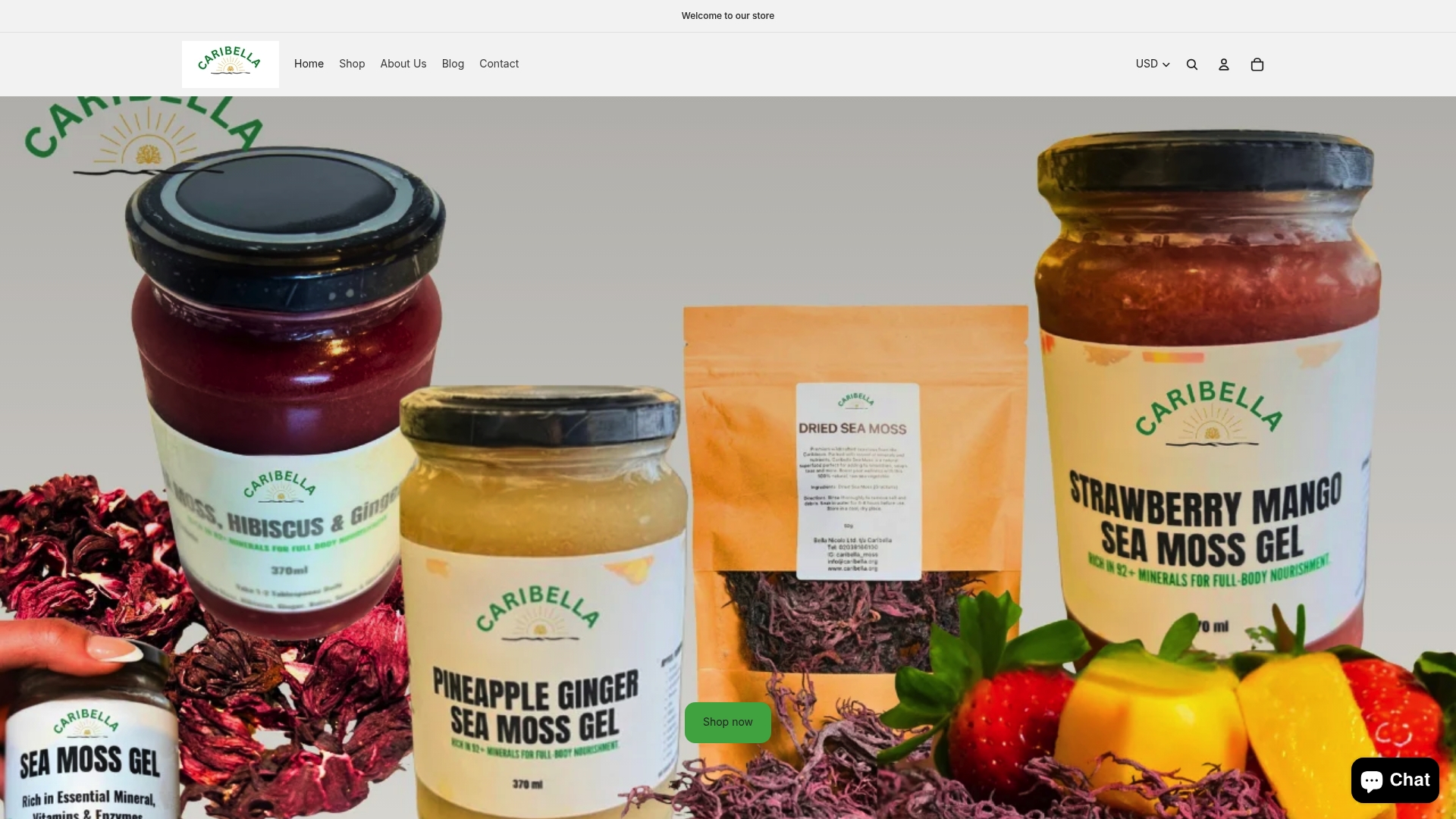
Our sea moss gels are ready to use straight from the jar, saving the preparation time without cutting corners on quality. If you prefer a different flavour experience, the range of flavoured sea moss gels makes the daily habit genuinely enjoyable. For those who prefer to prepare their own gel at home, our dried golden sea moss is carefully sourced and tested, giving you confidence about what you are putting into your body. Clean, honest, plant-based wellness: that is what we stand for.
Frequently asked questions
Does sea moss really improve skin ageing?
Modest antioxidant benefits have been shown in small clinical trials, but no strong evidence currently supports direct anti-ageing effects on skin. Better hydration and improved nutrition may contribute to overall appearance over time.
Is sea moss safe for thyroid conditions?
Sea moss contains potentially high iodine levels that can interfere with thyroid function; if you have any thyroid disorder, avoid sea moss or speak with your GP before trying it.
Can sea moss cause skin irritation?
Seaweed extract creams have tested as non-irritant in lab settings, but individual reactions vary; always patch-test on a small area of skin before applying to the face or neck.
How should women over 40 include sea moss in their routines?
Start with small amounts orally (one to two tablespoons of gel daily) and use topical application two to three times weekly, monitoring for any sensitivity or iodine-related effects before increasing frequency.
What are the main nutrients in sea moss for skin health?
Key skin-supporting minerals include iodine, zinc, magnesium, and sulfur, alongside amino acid precursors that the body uses to build and maintain collagen in the dermis.