

Around 40% of UK women going through perimenopause or menopause turn to herbal remedies for relief, yet the medical community remains cautious, and the evidence is genuinely mixed. If you’ve found yourself standing in a health food shop wondering whether that bottle of black cohosh is worth it, you’re far from alone. This guide cuts through the noise. We’ll explain what herbal wellness actually covers, what the science does and doesn’t support, where the real risks lie, and how to make confident, informed choices that work alongside your broader health strategy.
Table of Contents
- What is herbal wellness for women 40+?
- The evidence: do herbal remedies really work?
- Risks, side-effects and interactions: what to watch out for
- How to approach herbal wellness: practical tips and expert insights
- How herbal remedies compare to HRT and other options
- The real-world reality: what most articles won’t tell you about herbal wellness after 40
- Explore trusted herbal wellness products with Caribella
- Frequently asked questions
Key Takeaways
| Point | Details |
|---|---|
| Herbal wellness defined | Herbal wellness means using plant-based remedies to support health, especially during perimenopause and menopause. |
| Evidence is limited | Major studies find modest or uncertain benefits for herbal remedies compared to HRT, with placebo responses common. |
| Safety comes first | Some herbs may interact with medications or be harmful for certain women, so professional advice is essential. |
| Lifestyle integration | Herbs work best when combined with a healthy lifestyle, including diet and exercise. |
| Choose smartly | Start with quality-assured products and monitor your body’s response over 12 weeks before continuing. |
What is herbal wellness for women 40+?
Herbal wellness isn’t simply a trend. It draws on centuries of plant-based healing traditions from cultures across the Caribbean, Asia, and Europe, and it’s finding a renewed audience among women navigating the significant hormonal shifts of midlife. Menopause treatment options on the NHS describe herbal wellness as the use of plant-based herbal remedies, supplements, and traditional practices to support overall health, particularly for managing perimenopause and menopause symptoms like hot flushes, night sweats, mood changes, and vaginal dryness in women aged 40 and over.
Women experience perimenopause anywhere from their early 40s onwards, with menopause itself typically arriving between 45 and 55 in the UK. The transition can span years, and the symptoms can significantly affect sleep, work, relationships, and self-confidence. That context matters enormously, because it explains why so many women are actively searching for solutions beyond or alongside conventional medicine.
Herbal wellness for this life stage typically includes:
- Herbal teas: blends containing red clover, sage, chamomile, valerian root, or ashwagandha
- Capsules and tablets: standardised extracts of black cohosh, dong quai, or evening primrose oil
- Tinctures: liquid plant extracts taken in small doses
- Topical preparations: balms or oils containing herbs like lavender or wild yam
- Sea moss and adaptogenic supplements: increasingly popular for overall resilience and energy
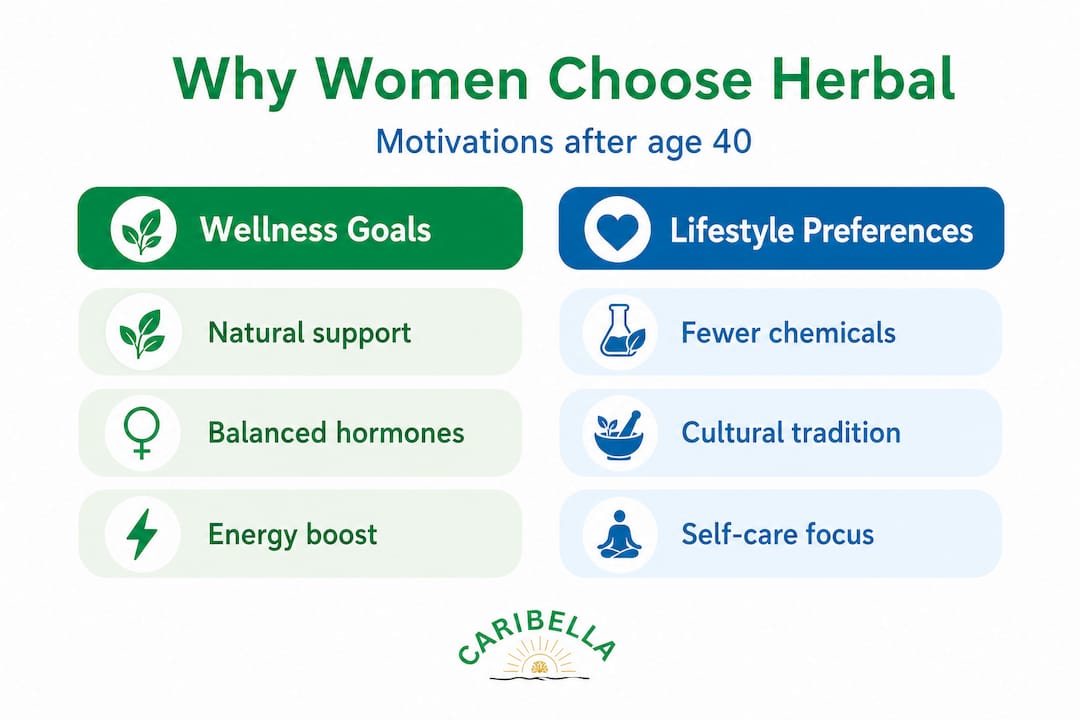
Women over 40 in the UK are drawn to herbal supplements for women over 40 for several interconnected reasons: a desire for natural solutions, concerns about HRT side effects, long NHS waiting lists, and a genuine frustration with feeling dismissed in clinical settings. Exploring herbal teas for menopause support is often the gentlest first step many women take.
The evidence: do herbal remedies really work?
This is the question that matters most, and the honest answer is: it depends on which herb, which symptom, and which woman you ask. Understanding the definition helps, but what does science say about whether these herbal remedies are actually effective?
A Cochrane review of 16 RCTs involving 2,027 women found that black cohosh performed no better than placebo for reducing hot flushes, with a mean difference of just 0.07 episodes per day. That’s a sobering figure. However, other reviews tell a slightly different story for phytoestrogen-rich herbs like red clover, where some randomised controlled trials show modest reductions in flush frequency. The key word is modest.
“The evidence for herbal menopause therapies varies considerably by herb and outcome. Moderate evidence exists for black cohosh and certain Chinese herbal medicines on vasomotor symptoms, but high-quality, large-scale RCTs remain scarce.” — PubMed review of menopause herbal therapies
Here’s a summary of what current evidence shows for the most commonly used herbs:
| Herb | Primary claim | Evidence quality | NHS/BMS recommendation |
|---|---|---|---|
| Black cohosh | Reduces hot flushes | Low to moderate | Not recommended |
| Red clover | Phytoestrogen support | Low to moderate | Not recommended |
| St John’s Wort | Mood and low mood | Moderate (for depression) | Not recommended alongside HRT |
| Sage | Reduces sweating | Very limited | Not recommended |
| Ashwagandha | Stress and energy | Emerging | Not assessed |
| Valerian | Sleep quality | Limited | Not recommended |
The NHS and the British Menopause Society (BMS) do not recommend herbal remedies for menopause symptoms due to unclear safety and efficacy data. Their position reflects not hostility to plants, but the requirement for consistent, reproducible evidence that currently isn’t there for most herbs.
What complicates the picture further is the placebo response. In menopause trials, placebo effects routinely account for 30% or more of reported symptom improvement. When the active treatment shows only modest benefits over placebo, it becomes genuinely difficult to separate real pharmacological effect from expectation. A recent review of menopause herbal therapies highlights how inconsistency in dosing, product quality, and trial design makes it almost impossible to draw firm conclusions.
That said, dismissing all herbal evidence entirely isn’t accurate either. For herbal teas evidence, some preparations show genuinely promising results for mild symptoms, sleep quality, and anxiety. Knowing what’s safe herbal remedies for menopause requires looking at each option individually.
Risks, side-effects and interactions: what to watch out for
So, while some evidence exists, it’s crucial to consider the flip side. What are the actual risks, and who needs to be particularly careful?
The BMS non-hormonal treatments consensus is clear that certain women should avoid many herbal remedies entirely:
- Women with a history of breast cancer: phytoestrogens found in red clover and black cohosh mimic oestrogen in the body, which may stimulate hormone-sensitive tissues
- Women with liver conditions: black cohosh in particular carries well-documented risks of liver toxicity, including rare cases of serious liver damage
- Women on tamoxifen or similar treatments: herb-drug interactions can reduce the effectiveness of cancer treatments significantly
- Women taking anticoagulants: several herbs, including dong quai and evening primrose, may affect blood clotting
Beyond specific contraindications, there are broader quality concerns. Unlike pharmaceutical medicines, herbal products in the UK are not required to prove efficacy before sale, only safety. This means you can buy a capsule labelled “black cohosh” with no guarantee of how much active compound it actually contains. Standardisation between brands is inconsistent, which is part of why trial results are so variable.
St John’s Wort deserves special mention because it is one of the most actively problematic herbs in terms of drug interactions. It reduces the efficacy of HRT, the oral contraceptive pill, tamoxifen, and certain antidepressants. Many women don’t realise this because it’s sold over the counter with cheerful packaging and no prominent warnings.
Pro Tip: Before starting any herbal product, write down every medication, supplement, and vitamin you currently take and show it to your GP or pharmacist. Drug interactions are more common than most people realise, and this simple step takes less than ten minutes. You can also safely try herbal remedies by following a structured approach that accounts for your personal health history.
Common side effects to watch for include digestive upset, headaches, and skin reactions. Most are mild, but any symptom that appears after starting a new supplement deserves attention. Always start with the lowest suggested dose and increase gradually.
How to approach herbal wellness: practical tips and expert insights
With risks and limitations in mind, how can you take a sensible, practical approach to trying or integrating herbal wellness? The good news is that there’s a clear framework that keeps you safe while allowing genuine exploration.
-
Start with THR-registered products. The Traditional Herbal Registration (THR) scheme in the UK is your first filter for quality. Products carrying the THR logo have been assessed for safety and consistent quality, even if not proven efficacy. This isn’t a guarantee of results, but it is a meaningful marker of trustworthiness.
-
Consult a healthcare professional before starting. This is especially important if you take any regular medication, have a chronic health condition, or are currently using HRT. Your GP or a registered medical herbalist can review your full picture. The NHS recommends professional advice before using herbal remedies for menopause symptoms.
-
Use herbs as part of a broader strategy. Herbal remedies work best as one layer of a wider wellness approach. The NHS highlights the importance of combining any supplement use with regular exercise, a calcium-rich diet, adequate sleep hygiene, and stress management techniques such as cognitive behavioural therapy (CBT), which has strong evidence for menopause-related mood changes and sleep.
-
Trial for 12 weeks, then review honestly. Individual responses to herbal remedies vary enormously. Give any new preparation a fair trial of up to 12 weeks. Keep a simple symptom diary rating your main symptoms on a scale of 1 to 10. If you see no meaningful improvement by the end of the trial period, stop the product. There is no benefit in persisting with something that isn’t working for you.
-
Match the remedy to the symptom. Valerian may help with sleep more than it helps with hot flushes. Sage tea is sometimes used specifically for sweating rather than mood. Tailoring your choices rather than reaching for a generic “menopause blend” is a more intelligent approach. Look for guidance on choosing safe supplements that are specific to your most troublesome symptoms.
Pro Tip: Consider also exploring sea moss for menopause support. Sea moss is naturally rich in iodine, magnesium, and antioxidants, and it’s gaining attention as a supportive nutritional addition during the menopause transition.
How herbal remedies compare to HRT and other options
Finally, it’s helpful to see how herbal wellness fits against the main evidence-based options you may be considering.
| Treatment | Evidence strength | Symptom relief | Key risks | Best suited for |
|---|---|---|---|---|
| HRT | Strong | Significant | Blood clots, certain cancers (context-dependent) | Moderate to severe symptoms |
| Black cohosh | Low to moderate | Modest at best | Liver toxicity, interactions | Mild vasomotor symptoms |
| Red clover | Low | Modest | Not suitable for cancer history | Mild flushes, supplementary use |
| CBT | Moderate to strong | Mood and sleep | None significant | Psychological symptoms, insomnia |
| Lifestyle changes | Moderate | Broad wellbeing | None | All stages, all severities |
| Herbal teas | Low to emerging | Mild symptom support | Varies by ingredient | Mild symptoms, general wellbeing |
A recent PubMed review found moderate evidence for black cohosh and some Chinese herbal medicines on vasomotor symptoms, but explicitly notes these are not first-line treatments and that more rigorous RCTs are needed before confident clinical recommendations can be made.
The NHS and BMS position is straightforward: HRT is superior in terms of efficacy and safety evidence for most women with moderate to severe symptoms. That doesn’t mean herbs have no role. It means they belong in a supporting rather than leading position in most cases. Exploring complementary herbal options alongside evidence-based treatments is a perfectly reasonable approach for many women, particularly those with mild symptoms or those who prefer to start gradually.
The real-world reality: what most articles won’t tell you about herbal wellness after 40
Here’s what rarely makes it into the clinical summaries. Many women turn to herbal wellness not because they believe it’s more effective than medicine, but because they feel heard by it. The act of making a herbal tea, choosing a supplement with care, or building a small daily ritual around plant-based ingredients is, for many women, an act of reclaiming agency over a body that feels like it’s changing without permission.
That matters. And it isn’t simply placebo. The emotional and psychological dimensions of managing perimenopause are real, documented, and frequently under-served by ten-minute GP appointments. When a woman feels empowered in her wellness choices, she’s more likely to also pursue the harder lifestyle changes: the exercise, the diet, the CBT, the honest conversations with her doctor. Herbal wellness can be a gateway, not a substitute.
What we’d caution against, from everything we’ve seen, is the all-or-nothing framing. Either herbs work or they don’t. Either you trust medicine or you trust plants. The reality is that the most successful approaches we hear about combine professional guidance with personal exploration, quality products with consistent lifestyle habits, and openness with healthy scepticism.
Caution and curiosity can genuinely coexist. Insist on THR-registered or clinically reviewed products. Push back if a clinician dismisses your interest without engaging with it. And use realistic supplement guidance to navigate your choices with confidence rather than guesswork.
The healing process is layered. There is no single herb, no single practice, and no single answer. But there is a way to build something that works for you.
Explore trusted herbal wellness products with Caribella
Ready to apply what you’ve learned? At Caribella, we believe that quality, transparency, and care matter deeply when you’re choosing products to support your body through a significant life transition.
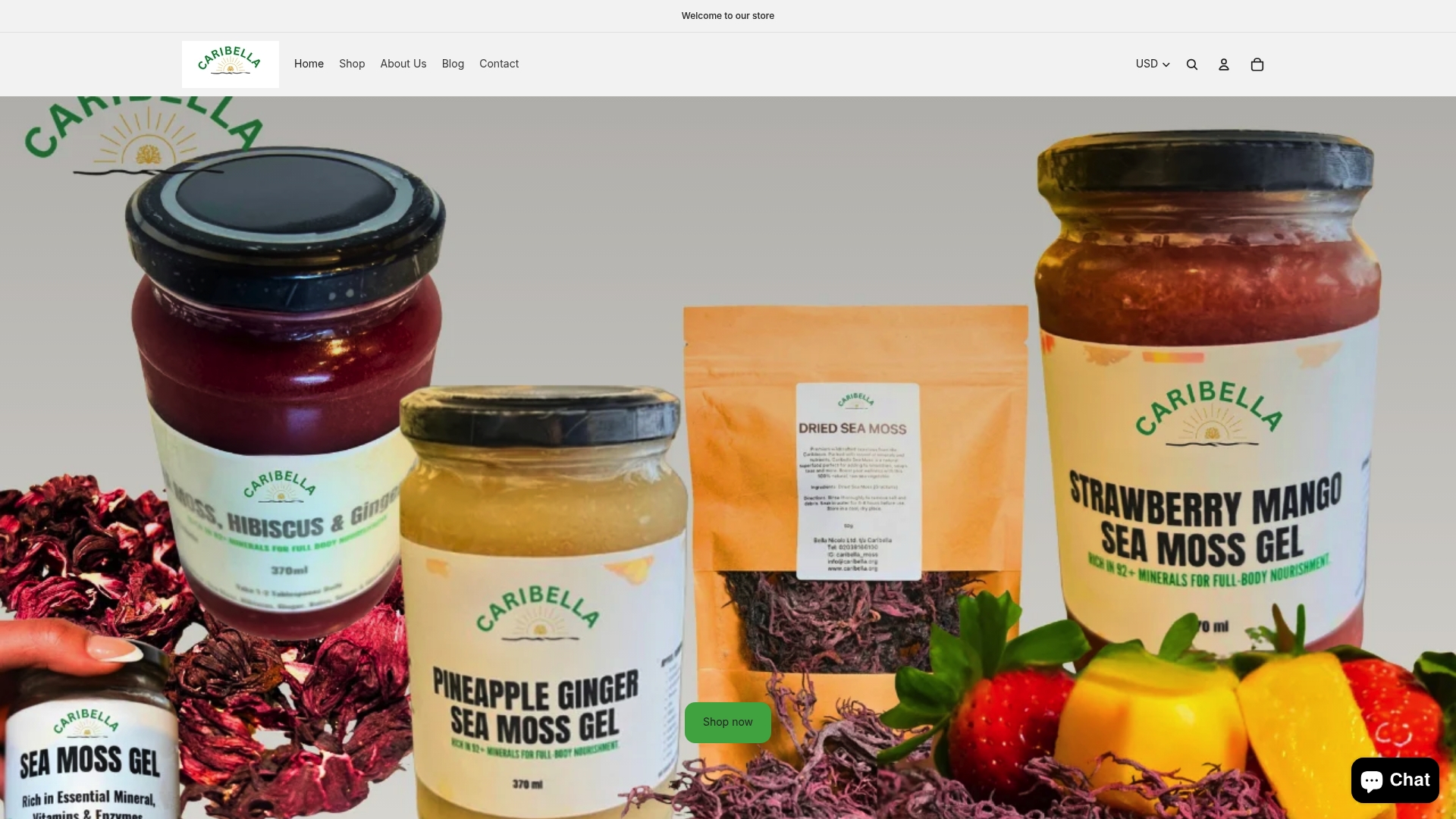
We’ve carefully selected our range with women over 40 in mind. From our explore herbal teas collection, blended with ingredients chosen for their traditional and emerging wellness properties, to our women’s wellness capsules formulated for hormonal balance support, every product reflects our commitment to plant-based quality inspired by Caribbean traditions. For a convenient starting point, our hormone balancing tea bundle brings together carefully chosen blends designed to complement a holistic approach to menopause wellbeing. Browse at your own pace and find what resonates with your journey.
Frequently asked questions
Can herbal remedies relieve severe menopause symptoms?
Herbal remedies may offer some relief for mild symptoms in certain women, but they are not proven effective for severe symptoms. The NHS notes that HRT is superior in efficacy and safety for most women with significant menopause-related symptoms.
Are herbal products safe to use alongside HRT?
Not always. Herbs such as St John’s Wort and black cohosh can interact with HRT and other medications. The NHS specifically warns of drug interactions including St John’s Wort reducing the efficacy of HRT and tamoxifen, so always speak to a healthcare professional first.
How long should I try herbal remedies before expecting results?
Allow up to 12 weeks for a fair assessment, keeping a symptom diary throughout. NHS guidance on self-care during menopause emphasises that individual responses vary and monitoring your progress is essential before continuing or stopping.
Who should definitely avoid herbal menopause remedies?
Women with a history of breast cancer or liver conditions should avoid many common herbal remedies. The BMS highlights that phytoestrogens in herbs like red clover and black cohosh mimic oestrogen and carry specific risks for these groups, including documented liver toxicity concerns with black cohosh.