

If you’ve been scrolling through wellness content lately, you’ve probably seen sea moss described as everything from a joint-soothing miracle to an overhyped fad. For women navigating perimenopause, when achy knees and stiff hips become an unwelcome new normal, the promise of a natural plant-based remedy is genuinely appealing. But sorting out what sea moss can realistically do for your joints, versus what marketers want you to believe, takes a little digging. This article gives you the honest picture.
Table of Contents
- What is sea moss and why is it popular for joint health?
- How sea moss could support your joints: evidence explained
- How strong is the evidence for sea moss and joint health?
- Risks, safety tips and practical considerations
- Why sea moss is not a magic bullet, but can still be part of your routine
- Explore sea moss options for your wellness journey
- Frequently asked questions
Key Takeaways
| Point | Details |
|---|---|
| Minerals for midlife support | Sea moss is rich in minerals that are important for bones and joints especially during perimenopause. |
| Some anti-inflammatory potential | Sea moss compounds may help ease joint discomfort, but human evidence is limited and mostly preliminary. |
| Safety and sourcing matter | Sea moss can carry contaminants, so always choose well-tested, reputable products. |
| Not a miracle cure | Sea moss may be one part of a joint health approach but should not replace proven strategies like movement and balanced nutrition. |
What is sea moss and why is it popular for joint health?
Sea moss, known scientifically as Chondrus crispus, is a species of red algae that grows along the rocky Atlantic coastlines of Ireland, the Caribbean, and North America. It has been used as a food and folk remedy in those regions for centuries, valued long before it became a trending wellness ingredient. In Ireland, it was traditionally simmered into a soothing drink to ease respiratory complaints. In the Caribbean, it was blended into tonics to support energy and vitality. That deep cultural history is part of why it feels trustworthy to many women today.
What makes sea moss particularly relevant for women over 40 is its mineral profile. It is one of the more mineral-dense plant foods available, and the rich sea moss minerals it contains include calcium, magnesium, and sulphur, all of which play a direct role in bone density and joint function. During perimenopause, falling oestrogen levels accelerate bone loss and increase inflammation, making these minerals especially important. Sea moss contains minerals like calcium, magnesium, and sulfur that may support bone density and joint health, particularly relevant for perimenopausal women experiencing oestrogen decline.
Here is a quick look at what sea moss typically brings to the table:
- Calcium: Contributes to maintaining bone density as oestrogen declines
- Magnesium: Supports muscle relaxation and nerve function around joints
- Sulphur compounds: May play a role in cartilage integrity and connective tissue health
- Iodine: Supports thyroid function, which influences metabolism and energy
- Iron: Relevant for perimenopausal women who may still experience irregular periods and fatigue
- Potassium: Helps with fluid balance, which can affect joint swelling
The surge in sea moss’s popularity is also tied to its broader benefits for menopause, from hormone support to skin hydration, which has made it a staple in women’s wellness conversations across social media, health podcasts, and nutrition communities.
How sea moss could support your joints: evidence explained
The biological case for sea moss and joints is more layered than most social media posts suggest. It is worth understanding the actual mechanisms, because that helps you set realistic expectations.
The first pathway involves carrageenan, a type of complex carbohydrate found naturally in sea moss. Carrageenan in sea moss acts as a precursor to collagen synthesis, potentially supporting joint flexibility as collagen production declines in women over 40. Collagen is the structural protein that keeps cartilage resilient and joints cushioned. After 40, your body’s ability to produce collagen slows considerably, and that is partly why joints begin to ache and stiffen.
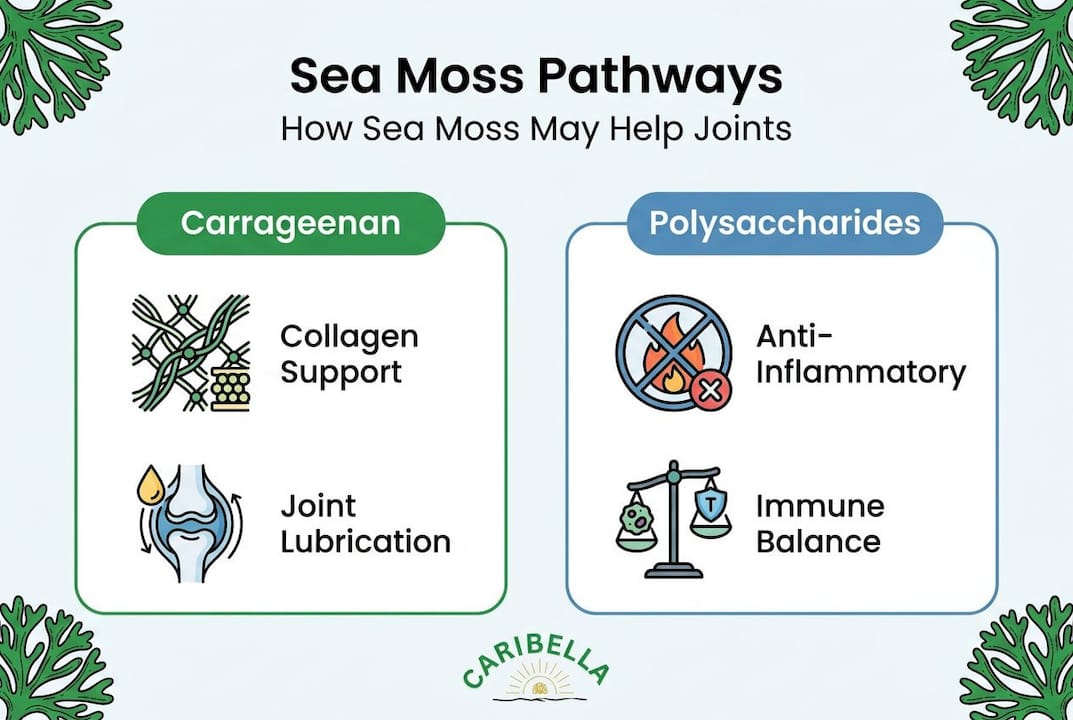
The second pathway involves sulfated polysaccharides, a group of bioactive compounds in red seaweeds. These compounds appear to work on inflammatory signalling molecules called cytokines and help neutralise reactive oxygen species, which are unstable molecules that damage joint tissue. The anti-inflammatory effects of seaweed have been documented in preclinical models, with one small human trial of a multi-mineral seaweed supplement showing greater knee osteoarthritis pain reduction than glucosamine in 30 participants.
Pro Tip: Sea moss works best as part of a broader anti-inflammatory approach. Pairing it with wildcrafted wellness benefits and lifestyle changes such as reduced ultra-processed food intake and gentle movement tends to produce better outcomes than supplementation alone.
| Bioactive compound | Potential joint mechanism | Quality of evidence |
|---|---|---|
| Carrageenan | Collagen precursor, flexibility support | Preclinical, theoretical |
| Sulfated polysaccharides | Anti-inflammatory, cytokine modulation | Preclinical + one small RCT |
| Calcium and magnesium | Bone density, muscle function around joints | Established for minerals generally |
| Sulphur compounds | Connective tissue and cartilage support | Largely theoretical for sea moss |
It is also worth noting that sea moss provides broader systemic benefits that indirectly support joint health. Better energy and digestion support means you feel more capable of staying active, and regular movement is one of the most evidence-backed strategies for managing perimenopausal joint discomfort. The whole-body picture matters.
How strong is the evidence for sea moss and joint health?
Here is where honesty is essential. The biological mechanisms are plausible, but the clinical evidence is thin.
The bulk of research on sea moss and seaweed for joints comes from laboratory studies and animal models, not human trials. When it comes to Chondrus crispus specifically, only two small RCTs exist, each with fewer than 60 participants, and they showed modest metabolic benefits without measuring joint-specific outcomes at all.
That matters. A compound reducing inflammation in a cell culture, or even in a mouse model, does not guarantee it will relieve your knee pain after six weeks of daily gel. The journey from lab bench to real-world outcome is long and complicated.
“Promotional claims about sea moss for joints far outpace what published science can currently support. Established health sources emphasise that safety should come before any unproven benefit.” Reflecting the views of Northwestern Medicine and peer-reviewed analysis.
The contrast between what wellness influencers say and what researchers actually report is stark. Here is how the claims compare:
| Common promotional claim | What the evidence actually shows |
|---|---|
| “Relieves arthritis pain naturally” | No sea moss-specific human trials on arthritis |
| “Rebuilds cartilage with collagen” | Carrageenan may support collagen synthesis, but only in theory |
| “Reduces joint inflammation quickly” | Anti-inflammatory activity shown in preclinical models only |
| “Better than glucosamine” | One seaweed blend showed promise, but not pure sea moss |
| “Clinically proven joint support” | No such clinical proof exists for sea moss specifically |
Reviewing joint versus skin health evidence shows a similar pattern across both areas: plausible mechanisms, enthusiastic anecdotes, but limited high-quality trials. If you want a balanced view of the risks alongside the promises, the Irish moss pros and cons guide is worth reading before you commit to a supplement routine.
The anti-inflammatory evidence is genuinely promising from a scientific standpoint. It simply has not been translated into rigorous, large-scale human trials yet. That could change as interest grows. For now, sea moss is a food-grade supplement with potential, not a proven pharmaceutical.
Risks, safety tips and practical considerations
The enthusiasm around sea moss sometimes overshadows a set of real, practical concerns that every woman over 40 should be aware of before buying or using it.
The contamination issue is the most important. Sea moss grows by absorbing minerals from the ocean. That means it also absorbs whatever else is in the water, including heavy metals. Heavy metal contamination from sources including arsenic, cadmium, and lead has been found in sea moss from polluted waters at levels exceeding WHO safety limits. There is no standardised regulatory framework for sea moss supplements in the UK, which means products vary enormously in quality and safety.
This is not a reason to avoid sea moss entirely. It is a reason to be selective.
Here is how to approach sea moss safely as a woman over 40:
- Choose products with third-party testing. Look for brands that share certificates of analysis showing heavy metal and contaminant screening. Do not rely on packaging alone.
- Start small. Begin with one teaspoon of gel per day rather than the amounts some blogs suggest. Your body needs time to adjust, particularly if you have thyroid sensitivity.
- Check your iodine intake. Sea moss is high in iodine, and excessive iodine can disrupt thyroid function. If you have an existing thyroid condition, speak to your GP before using it.
- Avoid wildcrafted sea moss from unknown sources. Ocean pollution varies enormously by region. Responsibly farmed or verified wildcrafted sea moss from clean, tested waters is a safer bet.
- Read labels carefully. Some products blend sea moss with other herbs or compounds that may interact with medications. Understanding label terminology helps you make informed comparisons.
- Consider your overall diet. Sea moss gel is a supplement, not a meal replacement. Its benefits are most meaningful when your diet already includes plenty of whole foods, vegetables, and adequate protein for joint tissue repair.
Pro Tip: If you prefer to control quality from the start, learning how to make sea moss gel at home using verified, tested raw sea moss gives you full visibility over what goes into your supplement routine.
Women managing thyroid conditions, blood thinning medication, or autoimmune diseases should always consult their GP or a registered nutritionist before adding sea moss. The lack of empirical dosage benchmarks means there is genuinely no universal “safe dose” currently established in the literature.
Why sea moss is not a magic bullet, but can still be part of your routine
We have seen a clear pattern in the natural wellness space: a food or supplement shows exciting biological promise, the internet amplifies it into a cure-all, and women who are genuinely struggling end up disappointed or, worse, out of pocket and no better off. Sea moss fits that pattern in some ways, but that does not make it worthless.
The honest perspective is this. Sea moss is a nutrient-dense, minimally processed plant food with a long history of traditional use and a genuinely interesting emerging evidence base. No empirical benchmarks for joint health dosing exist yet, and preclinical promise has not been matched by human trials specific to sea moss. That is the reality. But it also means the story is not yet finished.
For women over 40, joint discomfort is typically the result of multiple overlapping factors: oestrogen decline, reduced collagen production, years of accumulated wear and tear, and often a drop in physical activity during a busy and demanding phase of life. No single supplement addresses all of those simultaneously. What sea moss can do is provide meaningful micronutrient support, contribute to an anti-inflammatory nutritional pattern, and sit comfortably within a broader wellness approach that also includes movement, sleep, stress management, and medical care where needed.
The most useful frame is this: treat sea moss the way you would any good-quality whole food supplement. Not as a fix, but as one supportive element among several. You would not expect a single vegetable to cure your joint pain, and the same logic applies here.
If you do decide to experiment, observe your own response with honest curiosity. Notice whether you feel any change in stiffness, energy, or digestion over four to six weeks. Keep notes. Adjust accordingly. A practical guide to herbal supplements can help you build a more structured approach to trying new plant-based wellness tools without falling into the miracle-claim trap.
Sea moss works best for women who come to it with realistic expectations, good-quality products, and a wider lifestyle foundation already in place.
Explore sea moss options for your wellness journey
If you feel ready to give sea moss a proper try, the most important starting point is knowing your product comes from a source that takes quality seriously.
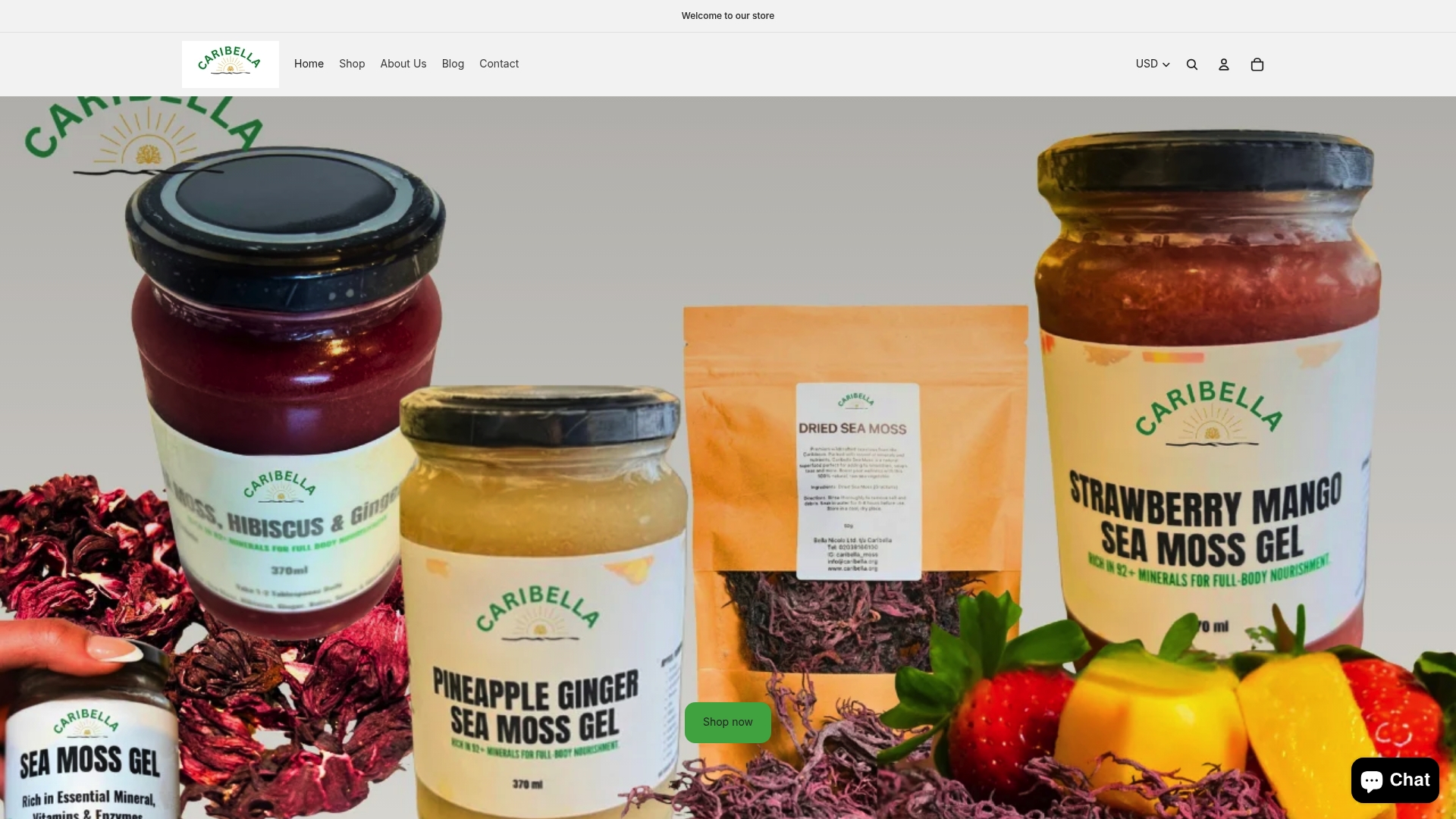
At Caribella, we offer sea moss gels made with carefully selected natural ingredients, inspired by Caribbean wellness traditions and designed with women’s wellbeing in mind. If plain gel feels unappealing, our range of flavoured gels makes it far easier to build a consistent daily habit. For women looking at the hormonal picture alongside joint health, our Women’s Wellness Capsules are formulated to support hormone balance as part of a whole-body approach to perimenopause. Browse our range and find the format that fits naturally into your daily routine.
Frequently asked questions
Is sea moss effective for arthritis pain in women over 40?
The evidence is promising but limited. One small human trial found that a multi-mineral seaweed supplement reduced knee osteoarthritis pain more effectively than glucosamine, but no strong clinical evidence exists specifically for sea moss (Chondrus crispus) alone.
What is the safest way to add sea moss to my routine?
Always choose products from brands that provide third-party testing for heavy metal contamination, start with a small daily amount such as one teaspoon, and consult your GP if you have thyroid or autoimmune conditions.
Can sea moss interact with my medications for menopause?
There is no established interaction data available yet, but sea moss contains bioactive compounds and high levels of iodine that could affect thyroid medication or blood thinners. Always speak to your GP or pharmacist before combining sea moss with any prescribed treatment.
Is sea moss better than glucosamine for joint health?
One small trial suggested a multi-mineral seaweed blend may outperform glucosamine for knee pain, but the results are preliminary and the supplement tested was not pure sea moss. Drawing firm comparisons between the two is not yet possible based on current evidence.
Recommended
- Sea moss benefits for women: energy, digestion after 40 – Caribella
- Sea moss nutrition: key minerals for women 40+ (2026) – Caribella
- Wildcrafted sea moss: natural wellness for women 40+ – Caribella
- Irish moss explained: benefits and risks for women over 40 – Caribella
- Natural supplements for brain health and inflammation – SuperNatural