

If you are in your 40s or 50s and dealing with broken sleep, unpredictable moods, weight gain around your middle, or energy that crashes by early afternoon, you are not imagining it. These are real, measurable consequences of the hormonal shifts that come with perimenopause and menopause. The good news is that knowing how to balance hormones naturally gives you practical tools to reduce these symptoms without immediately reaching for medication. This article covers the four pillars that make the biggest difference: nutrition, movement, stress management, and targeted supplements.
Table of Contents
- Key takeaways
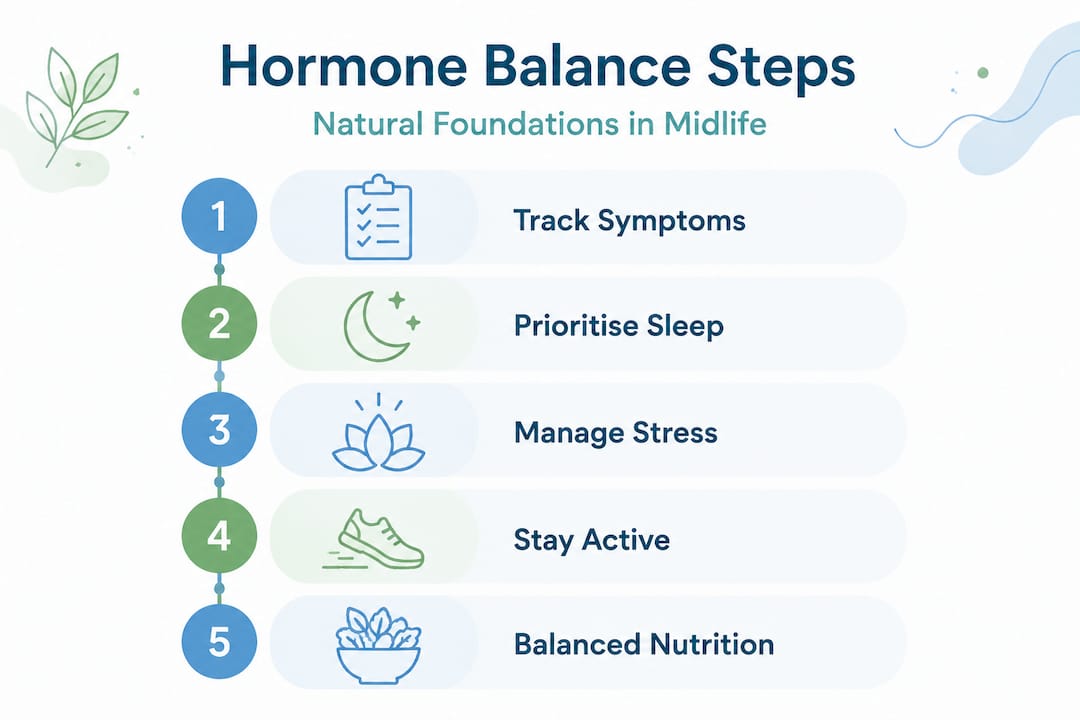
- How to balance hormones naturally: the foundations
- Foods that support hormone balance
- Exercise, stress, and sleep: the lifestyle triad
- Herbs and supplements worth considering
- Tracking progress and knowing when to ask for help
- My honest take on natural hormone balancing
- Support your hormonal health with Caribella
- FAQ
Key takeaways
| Point | Details |
|---|---|
| Blood sugar comes first | Stabilising glucose with protein, fibre, and healthy fats reduces hormonal symptom severity at the root level. |
| Food is your first medicine | Phytoestrogen-rich foods and Mediterranean-style eating have strong clinical evidence for reducing menopausal symptoms. |
| Strength training is non-negotiable | Resistance exercise counteracts muscle loss after 40 and directly improves insulin sensitivity and hormonal resilience. |
| Stress steals progesterone | Chronic stress drives cortisol up and progesterone down; managing it is not optional, it is physiological. |
| Natural and medical can coexist | Using natural strategies does not mean refusing medical support if symptoms are severe or disruptive to daily life. |
How to balance hormones naturally: the foundations
Before you overhaul your diet or buy a bag of supplements, get one thing straight. The goal during perimenopause and menopause is not to restore hormone levels to what they were at 30. Ovarian hormone production declines as a normal biological process. What you can do is build metabolic and nervous system resilience so your body handles that shift with far fewer symptoms.
The single most underrated starting point is blood sugar stabilisation. When glucose spikes and crashes repeatedly throughout the day, it drives inflammation, disrupts insulin function, and makes every other hormonal symptom worse. Balanced meals with protein, fibre, and healthy fats slow glucose absorption and keep insulin working efficiently, which has a measurable downstream effect on oestrogen, progesterone, and cortisol.
Here is what this looks like in practice before you get to the specifics of each pillar:
- Eat within 30 to 60 minutes of waking to stabilise morning cortisol
- Never eat refined carbohydrates alone; always pair them with protein or fat
- Reduce ultra-processed foods, which drive chronic low-grade inflammation
- Prioritise fibre from whole foods: vegetables, legumes, wholegrains, and seeds
- Drink enough water; even mild dehydration impairs metabolic function
Recognise which symptoms you are dealing with. Hot flushes, night sweats, brain fog, joint aches, low libido, and mood swings each have slightly different drivers, which helps you prioritise which interventions to tackle first.
Pro Tip: Keep a simple symptom diary for two weeks before making changes. Note what you ate, how you slept, and your stress level alongside each symptom. Patterns emerge faster than you expect and make your approach far more targeted.
Foods that support hormone balance
What you eat is the most accessible lever you have. This is not about calorie restriction. It is about giving your endocrine system the raw materials it needs.
Protein is the starting point. Aim for 20 to 30g of protein per meal to buffer glucose swings and preserve lean muscle mass, which declines during menopause. Good sources include eggs, oily fish, lentils, Greek yoghurt, tempeh, and chicken. Eggs deserve a specific mention: the protein and choline in eggs support sleep quality, satiety, and metabolic health during perimenopause, making them one of the most practical whole-food choices available.
Here is a practical framework for building hormone-supportive meals:
- Start with a protein source that provides at least 20g per serving
- Add two to three servings of non-starchy vegetables, particularly cruciferous ones such as broccoli, kale, and cauliflower, which support oestrogen detoxification
- Include a fibre-rich carbohydrate such as sweet potato, oats, or brown rice in moderate portions
- Add a source of healthy fat: avocado, olive oil, nuts, or oily fish
- Limit alcohol, which disrupts liver oestrogen metabolism and sleep architecture
Phytoestrogens are worth taking seriously. Dietary phytoestrogens at 50 to 80mg of isoflavones per day have shown strong clinical effects, including reducing severe hot flushes by up to 92% in some studies. Soy foods, flaxseed, chickpeas, and lentils are your best dietary sources.
| Food | Hormone-supporting benefit | Practical serving |
|---|---|---|
| Flaxseed | Lignans support oestrogen metabolism | 1 to 2 tablespoons ground, daily |
| Broccoli | DIM compound aids oestrogen clearance | 80 to 100g cooked, several times per week |
| Salmon | Omega-3s reduce inflammation and support mood | 2 to 3 portions per week |
| Edamame / soy | Isoflavones reduce hot flush frequency | 50 to 100g serving |
| Eggs | Choline, protein, vitamin D | 1 to 2 eggs daily |
Mediterranean and plant-based dietary patterns consistently show reduced vasomotor symptom severity, better bone health, and cardiovascular protection in midlife women. You do not need to follow it rigidly, but using it as a general template is well-supported by evidence.
Pro Tip: Swap refined breakfast cereals for eggs with vegetables or full-fat Greek yoghurt with ground flaxseed and berries. This single change stabilises morning blood sugar and delivers protein and phytoestrogens before 9am.
Exercise, stress, and sleep: the lifestyle triad
These three areas are deeply interconnected, and neglecting any one of them will undermine progress in the other two.
Exercise and muscle mass
Muscle mass declines at 1 to 2% per year after 40, and this accelerates during the menopause transition. Resistance training is the most effective counter. It improves insulin sensitivity, supports metabolic health, and builds the hormonal resilience you need to manage symptoms long-term. Aim for two to three sessions per week of weight-bearing exercise, whether that is gym weights, resistance bands, or body-weight movements like squats and press-ups.

Cardiovascular exercise still has a place, particularly walking, swimming, and cycling, which reduce cortisol and support mood. Just avoid excessive, high-intensity cardio if you are already under significant stress, as it can push cortisol higher and worsen symptoms rather than help them.
Managing stress and cortisol
This one is non-negotiable for women in perimenopause. Chronic stress drives the ‘pregnenolone steal’, where the body prioritises cortisol production at the expense of progesterone. Lower progesterone means worsened anxiety, poor sleep, and heavier periods. The physiology is clear: stress management is hormonal medicine.
Effective stress reduction options include:
- Daily breathwork (even five minutes of box breathing or 4-7-8 breathing makes a measurable difference)
- Spending time in nature, which reduces cortisol more reliably than most structured relaxation techniques
- Boundary-setting with work and screen time, particularly in the hour before bed
- Meditation or body-scan practices, even brief ones done consistently
Sleep as a hormone reset
Nearly 60% of postmenopausal women experience insomnia, and the relationship between sleep and hormones runs in both directions. Poor sleep elevates cortisol, which then suppresses endogenous oestrogen production and creates a cycle that is hard to break without deliberate intervention.
Keep your bedroom cool, aim for 7 to 9 hours, and create a wind-down ritual that starts at least 45 minutes before bed. Avoid alcohol within three hours of sleep as it fragments the second half of the night, which is when the most restorative hormone activity occurs.
Pro Tip: Set a consistent wake time even at weekends. Your circadian rhythm anchors to your wake time more than your sleep time, and a consistent anchor stabilises cortisol patterns across the whole day.
Herbs and supplements worth considering
Natural hormone balance tips from every corner of the internet include long lists of supplements, but not all are created equal. Prioritise whole foods and lifestyle first. When you add supplements, choose those with actual clinical backing.
- Ashwagandha: An adaptogen that reduces cortisol and improves thyroid function. Well-evidenced for stress-related hormonal disruption and sleep quality. Useful for women under high stress loads.
- Maca root: Supports energy, libido, and mood during menopause by acting on the hypothalamic-pituitary axis rather than directly on oestrogen levels. A good choice if libido and fatigue are primary concerns.
- Black cohosh: One of the better-studied botanicals for hot flushes and mood. Effective for vasomotor symptoms though not suitable for women with a history of oestrogen-sensitive conditions without medical guidance. You can explore more about using herbal supplements safely if you are new to botanicals.
- Flaxseed lignans and soy isoflavones: Already covered as foods but available in supplement form for those who struggle to eat enough through diet alone.
- Probiotics: The gut microbiome plays a direct role in oestrogen metabolism through what researchers call the oestrobolome. Probiotic supplementation, particularly L. brevis, increased oestradiol by approximately 26% over 12 weeks in one clinical study. A good-quality probiotic or fermented foods daily is a low-risk, potentially high-reward addition.
Always check with your GP or a qualified practitioner if you take prescribed medication, have a hormone-sensitive condition, or are considering multiple supplements simultaneously. For a deeper look at the evidence behind specific botanicals, the herbal teas for menopause guide is a strong starting point.
Tracking progress and knowing when to ask for help
Natural approaches work, but they take time. Set a realistic expectation of six to twelve weeks before evaluating whether a strategy is making a meaningful difference. Rushing to change everything every fortnight prevents you from learning what is actually helping.
Here is a structured way to track your progress:
- Baseline your symptoms before you start: note frequency and severity of hot flushes, sleep quality, energy, mood, and any physical symptoms like joint pain or bloating
- Introduce changes in phases rather than all at once, starting with diet and sleep, then adding exercise, then supplements
- Review every four weeks using your symptom diary to assess what has shifted
- Get hormone testing if you have not already. A full panel including oestrogen, progesterone, FSH, DHEA, and thyroid markers gives you a genuine baseline and helps you and your doctor track change over time
Know when to seek medical input. If hot flushes are severe enough to disrupt your daily functioning, if you are experiencing significant depression or anxiety, or if your sleep deprivation is affecting your safety or work, natural approaches alone may not be sufficient. Non-hormonal medical options including neurokinin 3 receptor antagonists are now approved for moderate to severe symptoms and can work alongside lifestyle changes rather than replacing them. Combining natural and medical options offers the best quality of life for many women, and choosing medical support is not a failure of the natural approach.
My honest take on natural hormone balancing
I have spent years reading the research on this and talking to women who are navigating these changes, and there is one thing I keep coming back to. The framing of “fixing” your hormones is the problem. Your hormones are not broken. Your ovaries are doing exactly what they are biologically scheduled to do. What you are actually trying to do is build enough metabolic stability that the transition is less symptomatic.
The women who do best are not the ones who find a magic herb. They are the ones who commit to strength training consistently, who take their sleep seriously, and who stop treating food as a calorie equation and start treating it as hormonal input. Those three things, done well, outperform any supplement stack.
What I have also learned is that dismissing medical support as somehow incompatible with a natural approach is a false choice. If your symptoms are severe, getting help is not weakness. It is the same logic as fixing a broken bone before starting physiotherapy.
The most underestimated move for women over 40? Pick up weights. Seriously. The evidence on resistance training for insulin sensitivity, cortisol regulation, bone density, and mood is more compelling than almost anything else in this space.
— Nicole
Support your hormonal health with Caribella
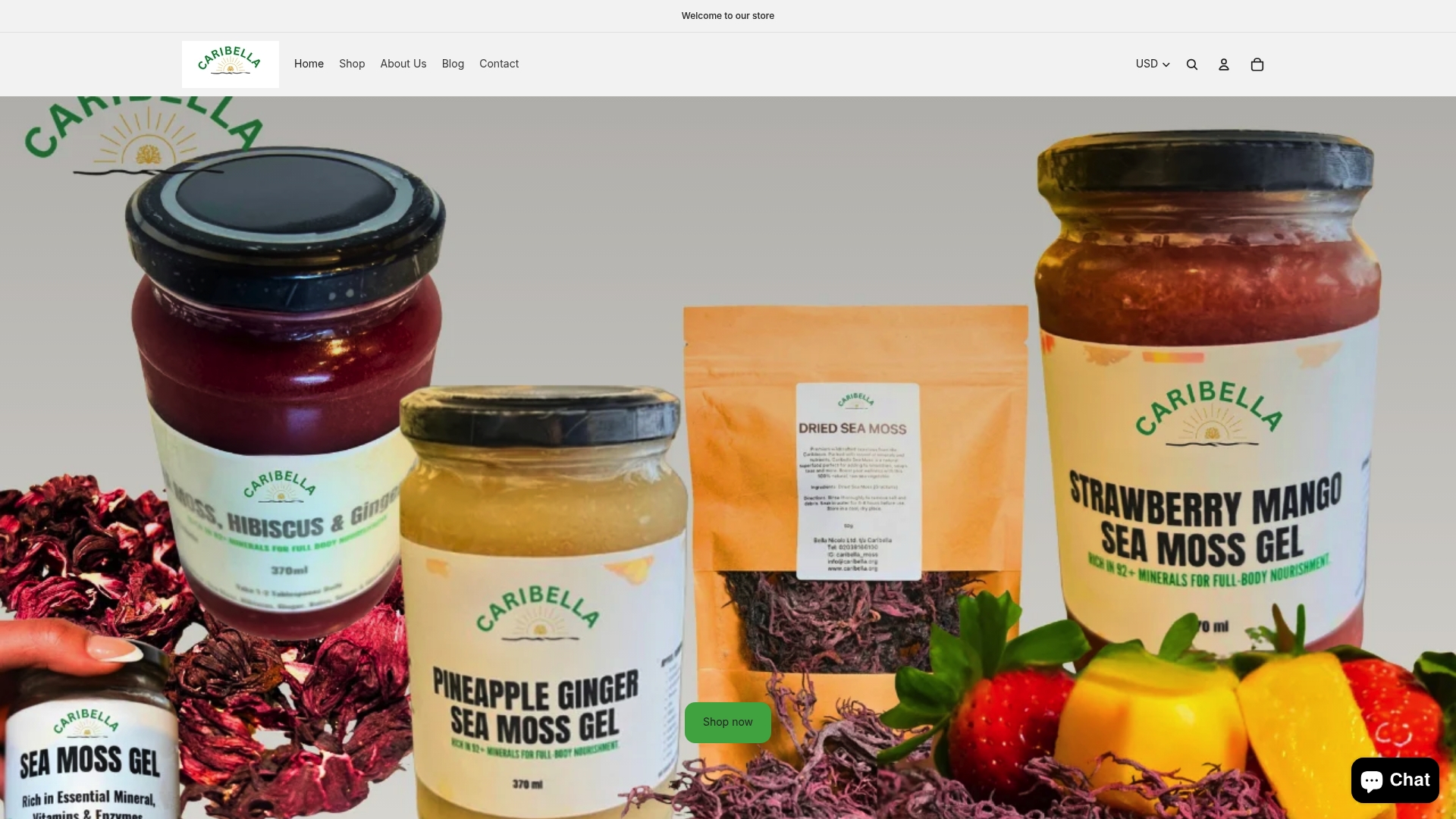
If you are ready to build a natural routine that genuinely supports your hormonal health, Caribella’s range is designed with exactly this in mind. The Women’s Wellness Capsules bring together a curated blend of botanicals to support hormone balance, energy, and mood during perimenopause and menopause. Pair them with Caribella’s herbal tea blends, crafted from Caribbean-inspired botanicals that support calm, digestion, and sustained energy. For mineral-rich daily nourishment, the sea moss gels offer a simple, whole-food addition to your morning routine. Every Caribella product is plant-based, carefully formulated, and built around the kind of natural wellness strategies covered in this article.
FAQ
What are the best foods to balance hormones naturally?
Prioritise protein at every meal (20 to 30g), cruciferous vegetables, omega-3 rich oily fish, ground flaxseed, and fermented foods. These directly support oestrogen metabolism, reduce inflammation, and stabilise blood sugar.
Which herbs help with hormone balance during menopause?
Ashwagandha, maca, black cohosh, and phytoestrogen-rich plants such as red clover and flaxseed have the strongest clinical evidence. Always check suitability with a healthcare professional before starting.
How long does it take to notice improvements from natural hormone balancing?
Most women notice meaningful changes within six to twelve weeks of consistent lifestyle changes. Diet and sleep improvements tend to show results fastest, while herbal supplements may take longer.
Can you support hormonal health naturally without supplements?
Yes. Whole-food nutrition, resistance training, stress management, and sleep hygiene together form a strong foundation. Whole food diets and structured exercise provide proven long-term benefits that outperform most supplements with limited evidence.
When should I see a doctor about hormone-related symptoms?
Seek medical advice if symptoms are severe, persistent, or affecting your quality of life, safety, or mental health. Effective non-hormonal medical options are available and work well alongside natural lifestyle strategies.