

Most people assume that “herbal” automatically means gentle, harmless, and good for you. That assumption is partly right and partly a recipe for trouble. Understanding what is an herbal blend, in the full sense, means looking beyond pretty packaging and reassuring words. It means knowing what you are putting into your body, why it might help, and when it might cause problems. This guide covers the definitions, the genuine benefits, the safety considerations that often go unmentioned, and practical advice for choosing and using herbal blends with confidence.
Table of Contents
- Key takeaways
- What are herbal blends: definitions, types, and uses
- Benefits of herbal blends: traditional uses and wellness applications
- Safety considerations and interaction risks
- Types of herbal blends compared
- How to select and use herbal blends safely
- My honest take on herbal blends
- Explore Caribella’s herbal teas and wellness range
- FAQ
Key takeaways
| Point | Details |
|---|---|
| Herbal blends are active products | They contain plant compounds that affect your body, not merely flavouring agents. |
| Forms and uses vary widely | Blends come as teas, powders, capsules, cooking mixes, and smoking blends, each with different applications. |
| Benefits are real but evidence varies | Many benefits are supported by traditional use and preliminary data rather than large clinical trials. |
| Medication interactions are a genuine risk | Herbs like St. John’s wort can alter how your body processes prescription drugs. |
| Quality sourcing changes everything | Choosing reputable brands with transparent ingredients reduces both safety risks and quality disappointments. |
What are herbal blends: definitions, types, and uses
An herbal blend is a mixture of two or more dried or processed plant materials, combined with a specific purpose in mind. That purpose might be flavour, wellness support, relaxation, or a combination of all three. Botanical dietary supplements include products made from plants in forms like softgels, powders, liquids, and capsules, with common examples including echinacea, green tea extract, and garlic.
The key distinction between a herbal blend and a pharmaceutical herbal extract is standardisation. Pharmaceutical extracts isolate and concentrate specific compounds at measured doses. Herbal blends, by contrast, use whole plant materials or plant parts and are not subject to the same rigorous testing. The FDA regulates herbal supplements as foods rather than medicines, which means mandatory safety and efficacy testing is not required before a product reaches the shelf.
Herbal blends appear across several distinct categories:
- Herbal teas and infusions: Dried flowers, leaves, roots, and seeds steeped in hot water. Common herbs include chamomile, peppermint, hibiscus, and lemon balm.
- Culinary blends: Herb and spice mixes used in cooking for flavour and aroma. Think za’atar, herbes de Provence, or Caribbean jerk seasoning.
- Wellness supplements: Powders or capsules combining herbs aimed at supporting specific health goals such as digestion or immunity.
- Smoking blends: Loose dried herb mixes, sometimes used as tobacco alternatives, containing herbs like mullein, raspberry leaf, lavender, and damiana.
- Topical blends: Oils and balms infused with plant extracts for skin or muscle application.
Each form behaves differently in the body. A chamomile tea delivers mild, water-soluble compounds. A concentrated capsule containing the same herb delivers far more. Knowing the form matters as much as knowing the ingredient list.
Benefits of herbal blends: traditional uses and wellness applications
Herbal blends have been used across cultures for thousands of years. Traditional Chinese medicine, Ayurveda, and Caribbean folk medicine all rely on combining plants to address specific needs. That history is meaningful. It tells us that these plants do something, even when the scientific literature has not yet caught up with the full explanation.
The reported benefits of herbal blends span a wide range of applications:
- Relaxation and sleep support: Herbs like chamomile, valerian root, and passionflower are widely used for calming the nervous system.
- Digestive comfort: Peppermint, ginger, and fennel blends are traditional remedies for bloating, nausea, and sluggish digestion.
- Immune support: Elderflower, echinacea, and rosehip are common in blends aimed at supporting the body during seasonal changes.
- Antioxidant content: Many culinary herbs, including oregano, rosemary, and thyme, are rich in polyphenols with antioxidant properties.
- Mood and stress: Adaptogenic herbs like ashwagandha and holy basil are included in blends intended to support stress resilience.
Herbal tea benefits, in particular, extend beyond the compounds themselves. The ritual of preparing and drinking a warm cup has genuine psychological value. Slowing down, breathing in the aroma, and pausing your day are not minor details. They are part of why so many people find herbal teas genuinely helpful for winding down.
That said, benefit claims often rely on traditional use or preliminary data rather than large, well-designed clinical trials. Being honest about the evidence level is not the same as dismissing the benefits. It simply means approaching herbal blends as supportive tools within a broader wellness routine, not as replacements for medical care.
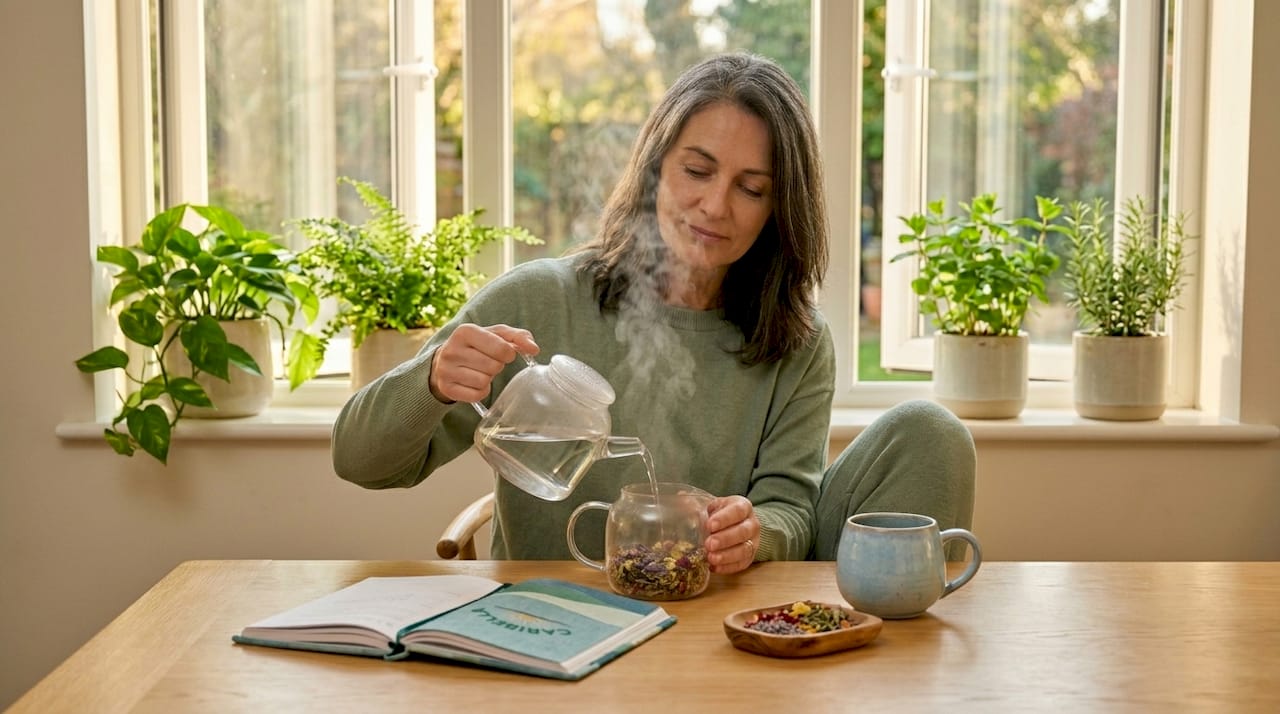
Pro Tip: When trying a new herbal blend for wellness purposes, keep a simple journal for two weeks. Note how you feel before and after. This gives you real personal data rather than relying entirely on general claims.
Safety considerations and interaction risks
Here is where many guides go quiet, and they should not. More than 40% of the US population uses alternative therapies including herbal and dietary supplements, often without telling their healthcare professionals. That is a significant safety gap.
Herbal blends contain active compounds. Those compounds interact with your body’s chemistry, including the pathways that process medications. The result can be too much of a drug in your system, not enough, or an unexpected side effect that neither you nor your doctor anticipated.
The most studied example is St. John’s wort. St. John’s wort accelerates drug metabolism, reducing the effectiveness of many medications, and can cause serotonin syndrome when combined with antidepressants. But it is not alone. Ginkgo, garlic supplements, and even high-dose green tea extract can affect blood clotting and drug processing.
“Natural does not mean safe. Herbal blends can increase or decrease the effects of drugs, and ‘natural’ origin offers no protection against serious interactions.” — NCCIH
The challenge is that insufficient data exists for many herb-drug interactions to draw firm conclusions. Most herbs do not carry the same extreme interaction risk as St. John’s wort, but uncertainty remains for a large number of plant compounds.
Medications with a narrow therapeutic index carry the highest risk. These include:
- Warfarin (blood thinner): Numerous herbs affect clotting and can push levels dangerously high or low.
- Digoxin (heart medication): Small changes in drug levels carry significant consequences.
- Immunosuppressants: Used after organ transplants; even modest changes in drug levels can cause rejection.
- Oral contraceptives: St. John’s wort is known to reduce their effectiveness.
Pro Tip: Before starting any herbal blend, write down every herb listed on the label and take that list to your pharmacist. Pharmacists are an underused resource for checking interactions quickly and for free.
If you take prescription medication, the practical workflow is straightforward. List every herb in the blend. Check each one against your medications using a reliable source such as the NCCIH database. Speak with your pharmacist or GP before beginning regular use. Reassess if your medication dose changes. Practitioners recommend documenting every herb in proprietary blends and checking for interactions prior to use, precisely because natural product-drug interactions can affect how your body absorbs and processes medication.
Types of herbal blends compared
Understanding the different types of herbal blends helps you choose products that actually match your goals. Herbal blends vary widely from simple two-ingredient pairings to complex mixtures crafted for specific flavour profiles and health outcomes. Here is a comparison of the most common types:
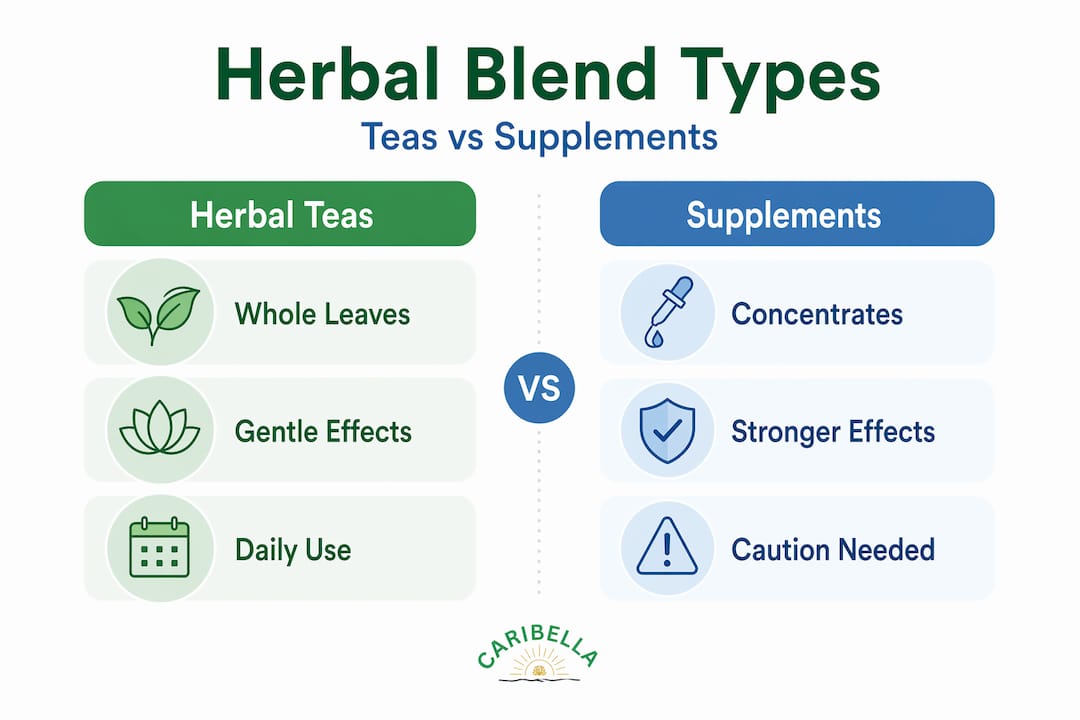
| Type | Common ingredients | Primary use | Key benefits | Cautions |
|---|---|---|---|---|
| Herbal teas | Chamomile, peppermint, hibiscus, ginger | Daily wellness, relaxation, digestion | Gentle, accessible, antioxidant-rich | Mild interactions possible; check with pharmacist if on medication |
| Culinary blends | Oregano, thyme, rosemary, cumin, turmeric | Cooking and flavouring | Flavour complexity, antioxidant polyphenols | Generally safe at food amounts; avoid in high-dose supplement form without advice |
| Wellness capsules | Ashwagandha, elderflower, echinacea, valerian | Targeted health support | Concentrated delivery, convenience | Higher interaction risk due to concentrated doses; professional guidance recommended |
| Smoking blends | Mullein, raspberry leaf, lavender, damiana, marshmallow leaf | Tobacco alternative, ceremonial use | Nicotine-free options, flavour diversity | Combustion creates byproducts; not risk-free; respiratory impact not fully studied |
When choosing a blend, match the type to your actual goal. If you want a gentle daily ritual, a quality herbal tea is often the most accessible and lowest-risk starting point. If you are looking for targeted support from concentrated herbs, a capsule or powder requires more research and, ideally, professional input before use.
How to select and use herbal blends safely
Practical use comes down to a few consistent habits. Whether you are making your first chamomile infusion or exploring a complex herbal wellness blend, these steps reduce risk and improve your results.
- Read the full ingredient list. Do not buy blends that use vague terms like “proprietary herbal complex” without listing individual herbs. You need to know exactly what is in the product.
- Start with one blend at a time. Introducing multiple new herbal products simultaneously makes it impossible to know what is helping or causing a reaction.
- Use the correct preparation method. Herbal teas release different compounds than infused oils or powdered capsules. Follow preparation instructions to get the intended effect, and avoid over-steeping, which can extract bitter or undesirable compounds.
- Respect dosing guidance. More is not better with herbal products. Stick to recommended amounts, particularly with supplements in capsule or tincture form.
- Know the signs of an adverse reaction. Rash, nausea, unusual fatigue, heart palpitations, or any unexpected symptom after starting a new blend warrants stopping use and seeking medical advice.
- Store herbs properly. Heat, light, and moisture degrade herbal compounds quickly. Use airtight containers away from direct sunlight to preserve potency.
Pro Tip: If you are preparing herbal teas for culinary or wellness use at home, source dried herbs from suppliers who provide batch testing or certificates of analysis. This confirms the herb is what the label claims, without pesticide contamination.
My honest take on herbal blends
I have spent years learning about plant-based wellness, and the single most common mistake I see is treating herbal blends as decorative rather than active. People steep a herb they have never researched because the packaging looks calming, or they take a capsule blend because a friend recommended it, without checking whether any of those herbs interact with their daily medication.
What I have learned is that knowledge is genuinely protective here. When you understand that a chamomile tea carries a different risk profile than a concentrated valerian capsule, you make better choices. When you know that St. John’s wort is not just a mood-supporting herb but one of the most clinically significant herb-drug interaction risks documented, you treat the whole category more seriously.
The benefits of herbal blends are real. I believe that. Traditional use across centuries and cultures is not nothing. But marketing claims and traditional use are not the same as clinical proof, and knowing the difference keeps you from over-relying on a blend when a genuine medical issue needs proper attention.
My practical advice: approach herbal blends with the same respect you would give any active substance. They work. That is exactly why you should understand them before you use them.
— Nicole
Explore Caribella’s herbal teas and wellness range
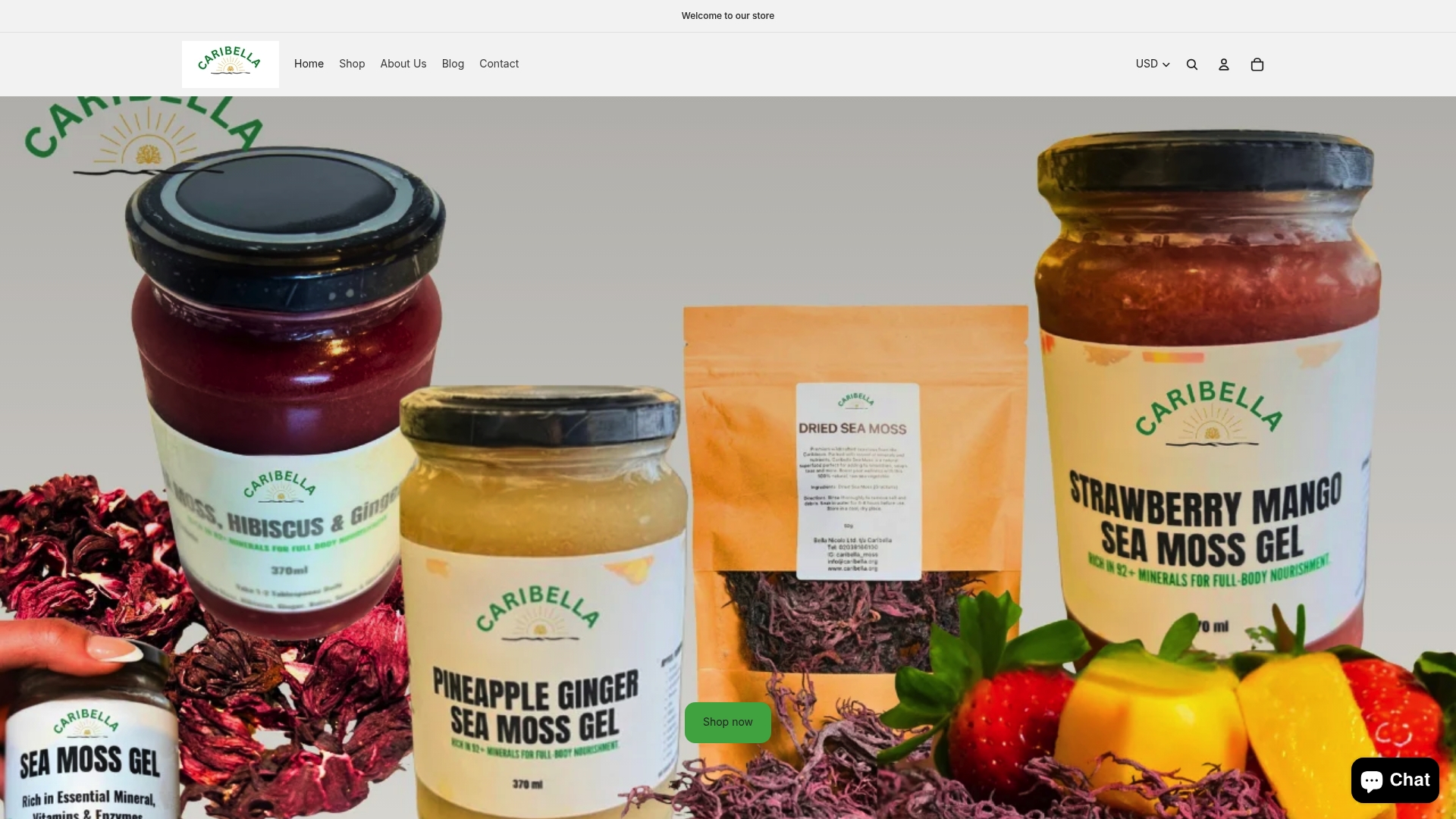
Caribella was created with a clear purpose: to bring the richness of Caribbean botanical tradition into everyday wellness, without compromise on quality or transparency. Every product in the range is made with carefully selected natural ingredients, and the herbal teas are no exception.
Whether you are curious about Caribella’s herbal tea collection for daily relaxation and digestive support, or looking for a thoughtfully crafted starting point like the Calm and Restore herbal infusion, the range is designed to complement an informed, mindful approach to wellness. If you are exploring plant-based support more broadly, the sea moss gels are a nutrient-rich addition rooted in the same tradition of using nature thoughtfully and well.
FAQ
What is an herbal blend, exactly?
An herbal blend is a mixture of two or more dried or processed plant materials combined for a specific purpose, such as flavour, relaxation, or wellness support. They come in forms including teas, capsules, powders, culinary mixes, and smoking blends.
Are herbal blends safe to use every day?
Many herbal teas and culinary blends are safe for daily use at normal amounts. However, concentrated supplements carry a higher interaction risk, particularly if you take prescription medication, and should be used under professional guidance.
Can herbal blends interact with medications?
Yes. Herb-drug interactions are well documented, particularly with medications like warfarin, digoxin, and antidepressants. St. John’s wort is the most clinically significant example, but many herbs carry some degree of interaction potential.
Do herbal blends have proven health benefits?
Some do, but the evidence varies. Herbal tea benefits like chamomile for relaxation and peppermint for digestion have reasonable supporting data. For many herbs, benefit claims are based on traditional use and early research rather than large clinical trials.
How do I choose a quality herbal blend?
Look for products with a fully transparent ingredient list, clear sourcing information, and ideally third-party testing or batch certificates. Avoid blends that hide ingredients under vague labels, and consult a pharmacist before use if you take any regular medication.