

Plant-based gels are formulations structured by natural, plant-derived substances that create semi-solid or gel-like networks across food, beauty, and wellness applications. The four main categories are hydrogels, oleogels, emulsion gels, and hybrid gels, each defined by its dispersion medium and functional properties. Key gelling agents such as agar, pectin, and carrageenan sit within the hydrogel category, while oleogels use plant oils structured into semi-solid fats. Understanding these types of plant-based gels helps you choose the right option for dietary texture, topical skincare, or supplement delivery.
1. Hydrogels: the most common plant-based gel type
Hydrogels use water as the dispersion medium, forming three-dimensional polymer networks that trap moisture and create gel-like structures. They are the most widely recognised plant-based gel options in both food and wellness contexts. The three agents you will encounter most often are agar, pectin, and carrageenan, and each behaves quite differently in practice.
Agar is derived from red seaweed and produces firm, sliceable gels. It melts around 85 to 95°C and sets around 35 to 45°C, which means it remains stable at room temperature and holds its shape well in moulds. This thermal stability makes agar the preferred choice for vegan jellies, panna cotta alternatives, and Asian desserts like kanten.
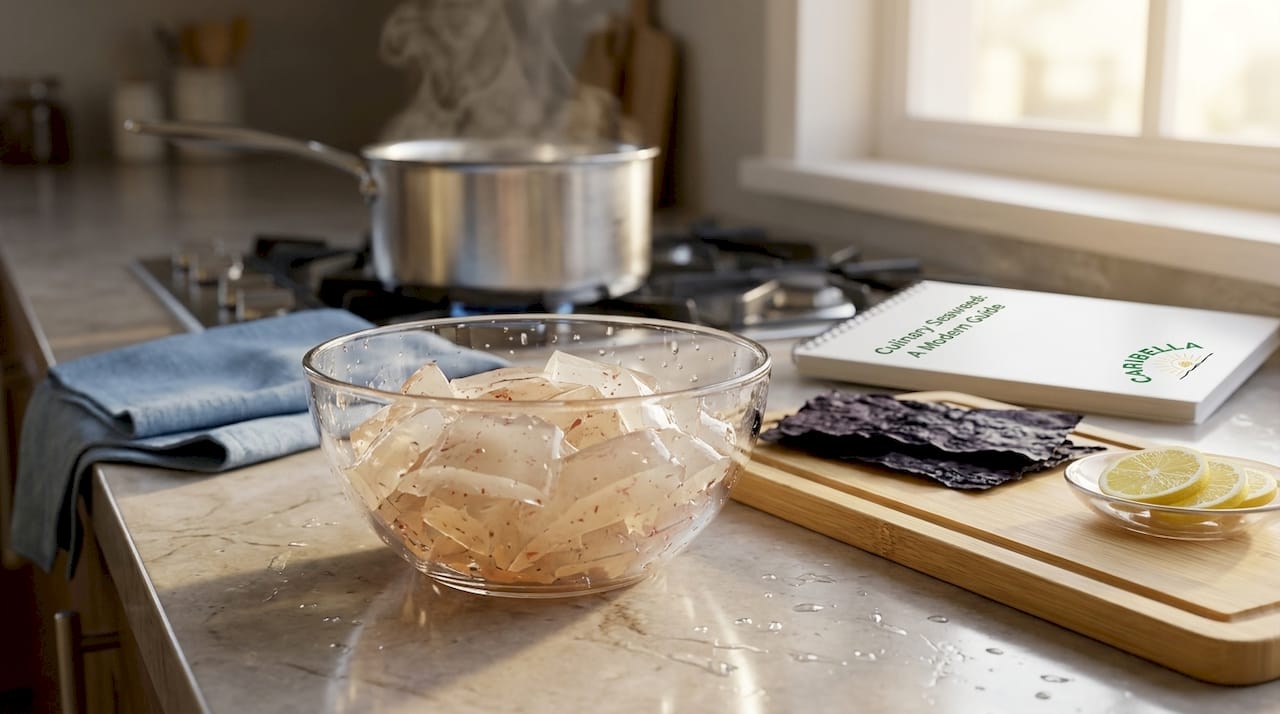
Pectin comes from the cell walls of fruits, particularly citrus peel and apple pomace. Pectin gelation depends critically on pH, sugar concentration, and acid conditions, so getting those variables right is non-negotiable for a successful set. It produces a softer, fruit-chewy texture suited to jams, gummies, and confectionery.
Carrageenan is a seaweed-derived hydrocolloid that is FDA-approved as a safe food additive and widely used as a gelatin substitute. It creates creamy, spoonable textures ideal for dairy-free puddings and plant-based yoghurts. Beyond food, carrageenan and similar hydrogels serve as 3D hydrophilic platforms for controlled topical and injectable delivery in cosmetic and biomedical materials.
- Agar: firm, sliceable, thermally stable, ideal for moulds and jellies
- Pectin: soft, fruit-chewy, requires sugar and acid to set properly
- Carrageenan: creamy, spoonable, multifunctional as thickener and stabiliser
Pro Tip: When working with pectin at home, always add your acid source (lemon juice) and sugar before heating. Skipping either one produces a runny result that will not set regardless of how long you cook it.
2. Oleogels: plant oil gels with real nutritional advantages
Oleogels are a less familiar but genuinely significant category. They gel plant oils into semi-solid fats, replacing saturated and trans fats in food products while preserving the sensory qualities consumers expect. Think of them as a way to give olive oil or canola oil the physical behaviour of butter, without the saturated fat profile.
Common oleogelators include monoglycerides, plant-derived waxes such as carnauba and rice bran wax, and ethylcellulose. These structuring agents create a crystalline or polymer network within the oil phase, producing textures that range from spreadable to firm depending on the concentration used. The composition of oleogels directly impacts lipid digestion and metabolic outcomes, which makes them relevant not just for food technologists but for anyone paying attention to how fats are absorbed.
- Fat replacement: oleogels reduce saturated fat in baked goods, spreads, and meat analogues
- Mouthfeel control: wax-based oleogels mimic the melting behaviour of animal fats
- Nutritional improvement: using olive or canola oil as the base introduces unsaturated fatty acids
- Sustainability: replacing animal-derived fats reduces the environmental footprint of food products
Oleogel formulation controls both physical food properties and nutritional parameters such as fat digestion and metabolic outcomes, making them one of the most functionally sophisticated plant-based gel options available today.
If you are interested in how structured plant lipids relate to supplementation, omega fatty acid products that use oleogel-adjacent technology offer a practical real-world example of this science applied to daily wellness.
3. Emulsion gels: combining oil and water for texture control
Emulsion gels are plant-based formulations where oil droplets are dispersed within a gelled aqueous phase, creating a structure that is neither purely a hydrogel nor an oleogel. This dual-phase architecture gives food scientists precise control over fat release, flavour delivery, and mouthfeel in ways that single-phase gels cannot achieve.
Gelation in emulsion gels is triggered either by heat (heat-induced gelation) or by cold-set methods using calcium ions or pH adjustment. The choice of method determines the final texture and stability of the product. Heat-induced emulsion gels tend to be firmer and more cohesive, while cold-set versions are softer and more spreadable.
| Gelation method | Texture outcome | Typical application |
|---|---|---|
| Heat-induced | Firm, cohesive | Plant-based burger patties, meat analogues |
| Cold-set (calcium) | Soft, spreadable | Vegan cheese, creamy dressings |
| Cold-set (pH shift) | Smooth, gel-like | Dessert creams, yoghurt alternatives |
Emulsion gels are particularly valuable in sustainable meat analogues because they replicate the lubricity and fat-release behaviour of animal muscle tissue. They also serve as effective fat replacers in lower-calorie plant-based foods without sacrificing the satisfying mouthfeel that makes food enjoyable.
4. Hybrid gels: blending gel types for complex results
Hybrid gels combine two or more gel categories, typically mixing proteins, polysaccharides, emulsion components, and oleogel elements into a single matrix. The rationale is straightforward: single-agent gels often have weaknesses such as brittleness or poor elasticity that blending can correct.
A practical example is a pea protein and cellulose blend, where the protein provides structural cohesion and the polysaccharide contributes water-holding capacity. Research shows that xanthan gum added to pea proteins increases water retention and improves texture to meet dysphagia diet standards, demonstrating how hybrid formulations serve clinical as well as culinary needs.
Pro Tip: If you are making plant-based gel recipes at home and find your gel too brittle, try adding a small amount of xanthan gum or psyllium husk to your base. Both act as secondary gelators that improve elasticity without altering flavour.
| Hybrid gel component | Function it adds |
|---|---|
| Pea protein | Structural cohesion and binding |
| Xanthan gum | Water retention and elasticity |
| Carrageenan | Creamy texture and stabilisation |
| Plant wax | Controlled melt and fat-like mouthfeel |
The main challenge with hybrid gels is scalability. Achieving consistent results across large production batches requires precise control of temperature, pH, and ingredient ratios. For home use or small-batch wellness products, however, hybrid approaches offer the highest degree of textural customisation available from natural gel alternatives.
5. Sea moss gel: a botanical gel with broad wellness uses
Sea moss gel occupies a unique position among the uses of botanical gels because it functions simultaneously as a hydrogel, a nutritional supplement, and a topical ingredient. Made from Chondrus crispus or Gracilaria species, sea moss gel is rich in carrageenan-type polysaccharides, which explains its thick, mucilaginous texture when hydrated.
From a wellness perspective, sea moss gel supports digestion, immunity, and skin hydration. Its mineral density, including iodine, potassium, and magnesium, makes it one of the more nutritionally active plant-based gel options available. You can learn how to make sea moss gel at home with straightforward preparation steps, or choose a ready-made product for consistent quality.
For skin applications, the gel’s polysaccharide content creates a film-forming effect on the surface of the skin, improving hydration and barrier function. Caribella’s sea moss skin health research confirms that macroalgae-derived gels have measurable benefits for topical use, particularly for mature skin.
Key takeaways
Plant-based gels are best selected by gel matrix type rather than ingredient name alone, because each category delivers distinct textural, nutritional, and functional outcomes.
| Point | Details |
|---|---|
| Four core gel categories | Hydrogels, oleogels, emulsion gels, and hybrid gels each serve different food and wellness functions. |
| Hydrogel agent selection matters | Agar, pectin, and carrageenan produce firm, chewy, and creamy textures respectively. |
| Oleogels improve fat profiles | Structuring plant oils with waxes or monoglycerides reduces saturated fat without sacrificing mouthfeel. |
| Hybrid gels correct single-agent weaknesses | Blending proteins and polysaccharides improves elasticity, water-holding, and texture complexity. |
| Sea moss bridges food and beauty | Its carrageenan-type polysaccharides make it effective as both a dietary gel and a topical skincare ingredient. |
Why gel category matters more than you might think
I have spent a considerable amount of time working with plant-based formulations, and the single most common mistake I see is people choosing a gelling agent by name recognition rather than by function. Someone picks agar because they have heard of it, then wonders why their dessert is rubbery instead of creamy. The answer is almost always that they needed carrageenan or a cold-set emulsion gel instead.
The science here is not abstract. Choosing by gel category rather than ingredient name is the practical difference between a product that works and one that does not. Agar’s high melting point makes it brilliant for firm set desserts but poor for anything needing a melt-in-mouth sensation. Pectin’s dependence on pH and sugar makes it unforgiving if you improvise. These are not minor details.
What I find genuinely exciting in 2026 is the growing use of plant-based hydrogels beyond food entirely. Topical hydrogels for skincare and supplement delivery systems are now drawing on the same agar, pectin, and carrageenan science that has been in kitchens for decades. The crossover between culinary and clinical applications is accelerating, and health-conscious consumers are well placed to benefit from both.
My advice: start with the outcome you want, whether that is a firm set, a creamy texture, a fat replacement, or a topical film, and then work backwards to the gel category that delivers it. The ingredient name comes last.
— Nicole
Discover Caribella’s sea moss gels and plant-based wellness range
Caribella brings Caribbean botanical tradition into everyday wellness through premium plant-based gel products made with carefully selected natural ingredients.
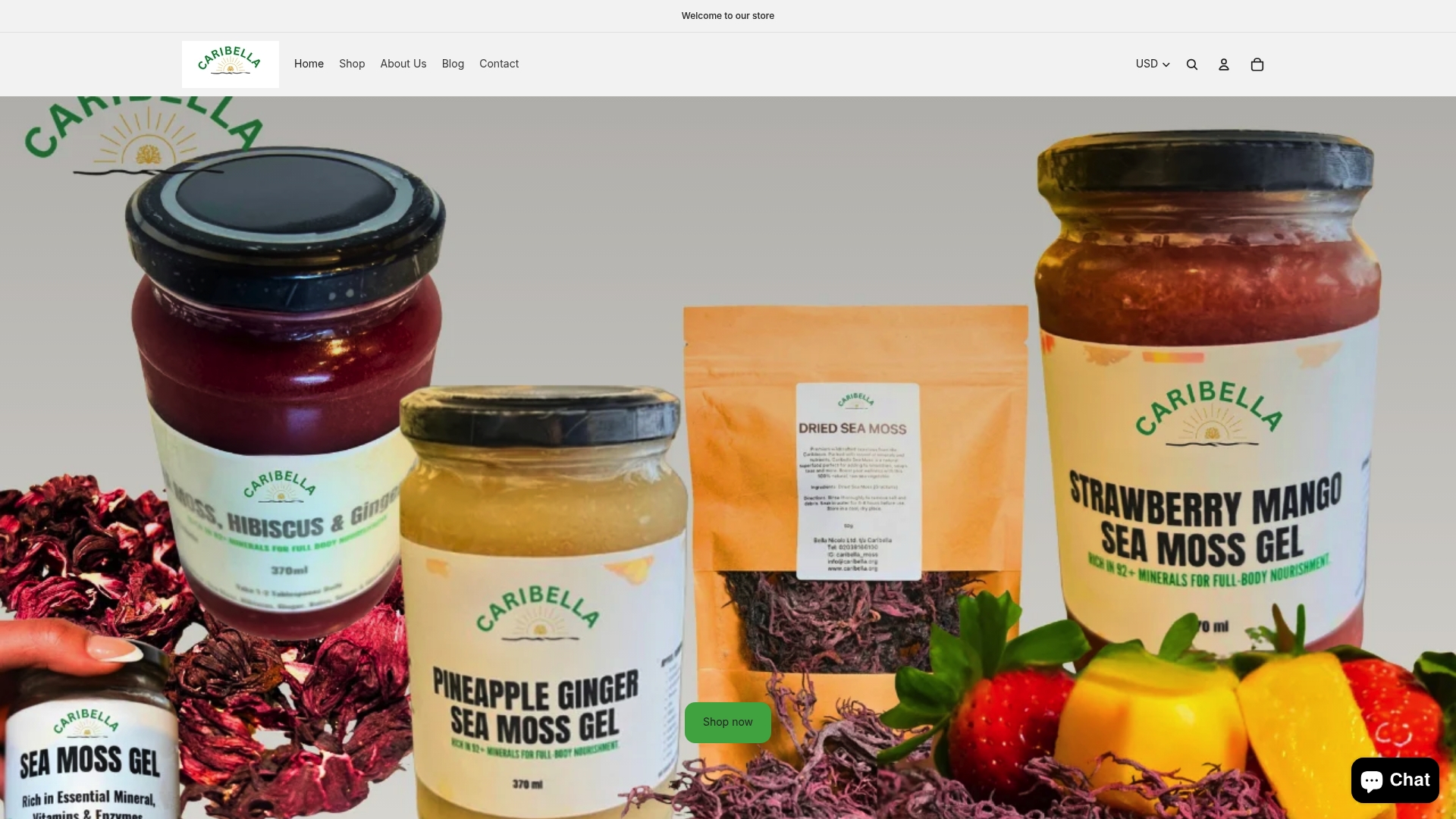
Caribella’s sea moss gels are crafted from whole sea moss and deliver the full spectrum of polysaccharide-based benefits for digestion, immunity, and skin health. For those who prefer variety, the flavoured sea moss gels range makes daily gel intake genuinely enjoyable. Pair your gel routine with Caribella’s herbal teas to build a plant-based wellness programme that works across multiple systems. Every product is designed to be convenient, natural, and grounded in real nutritional science.
FAQ
What are the main types of plant-based gels?
The four main types are hydrogels, oleogels, emulsion gels, and hybrid gels. Each is defined by its dispersion medium and gel network structure, with distinct applications in food, beauty, and wellness.
Which plant-based gel is best for home cooking?
Agar suits firm, sliceable desserts; pectin works best for jams and gummies when sugar and acid are present; carrageenan produces creamy, spoonable textures for dairy-free puddings. The right choice depends on the texture you want to achieve.
Are plant-based gels safe for topical use?
Yes. Hydrogels derived from pectin, carrageenan, and sea moss polysaccharides are biodegradable and non-toxic and are widely used in cosmetic and biomedical applications including skincare and wound care.
What is an oleogel and why does it matter for health?
An oleogel structures plant oils such as olive or canola oil into a semi-solid fat, replacing saturated and trans fats in food products. Its composition directly influences lipid digestion and metabolic outcomes, making it a nutritionally significant fat alternative.
How does sea moss gel differ from other plant-based gels?
Sea moss gel is a naturally occurring hydrogel rich in carrageenan-type polysaccharides, which gives it both food-grade gelling properties and topical skincare benefits. Unlike refined agar or pectin, it also delivers a broad range of minerals relevant to dietary supplementation.