

You already know that what you eat and how you live affects how you feel. But walking into a health shop or scrolling through wellness advice online can leave you more confused than when you started. Knowing how to enhance wellbeing with natural ingredients requires more than picking up a handful of supplements. It means understanding which foundations actually matter, which fermented foods genuinely support your mood, and how to use supplements without putting yourself at risk. This guide cuts through the noise with evidence-based steps you can actually use.
Table of Contents
- Key takeaways
- How to enhance wellbeing with natural ingredients: start with plants
- Fermented foods and mood: the gut-brain connection
- Using supplements safely to complement your diet
- Combining natural ingredients with everyday habits
- My honest take on supplements versus foundations
- Support your wellbeing with Caribella’s natural products
- FAQ
Key takeaways
| Point | Details |
|---|---|
| Start with whole plant foods | A diverse plant-rich diet provides the fibre that fuels a healthy gut microbiome, which underpins overall wellbeing. |
| Fermented foods support mood | Psychobiotic bacteria in fermented vegetables influence neurotransmitters and stress regulation via the gut-brain axis. |
| Supplements carry real risks | Even natural supplements like turmeric can cause liver injury in concentrated doses; always consult a healthcare provider first. |
| Lifestyle habits multiply results | Physical activity, quality sleep, and stress management amplify the benefits of any natural ingredient strategy. |
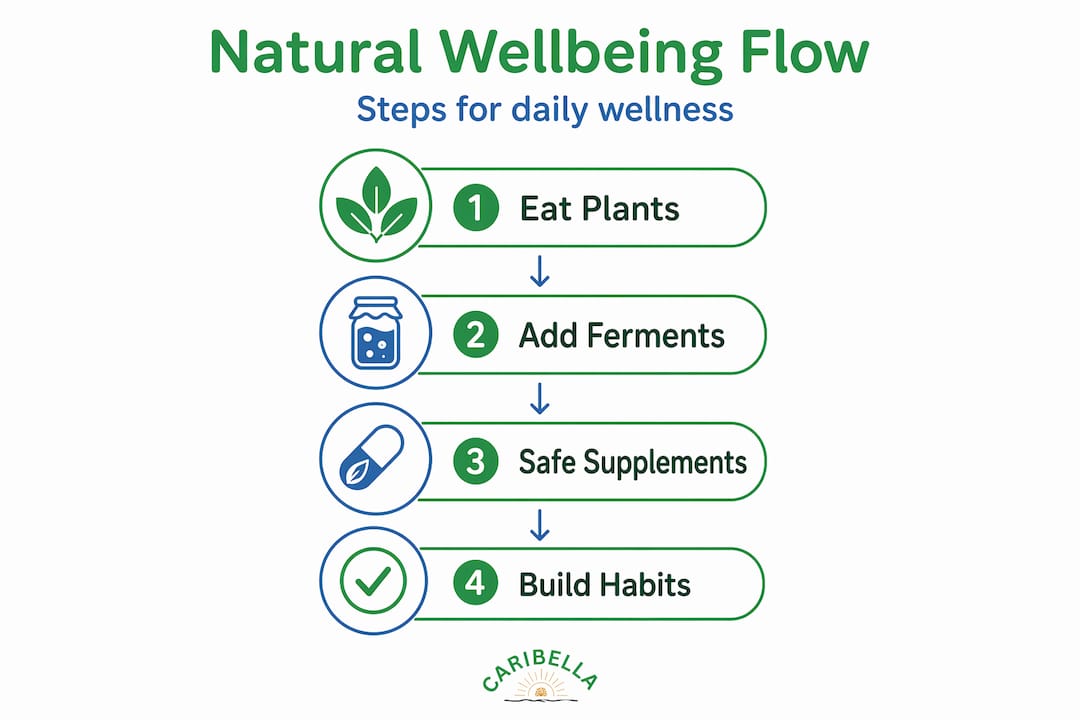
| Sequence your approach | Build your diet and fermented food habits before adding supplements for the safest and most effective outcome. |
How to enhance wellbeing with natural ingredients: start with plants
The most powerful thing you can do for your wellbeing costs less than any supplement on the shelf. A diet rich in diverse plant foods provides the fibre that feeds beneficial gut bacteria, and that matters far more than most people realise. Your gut microbiome influences your immune response, your mood, your energy levels, and your ability to manage inflammation. Getting that foundation right changes everything.
Fruits, vegetables, legumes, whole grains, nuts, and seeds each bring different types of fibre and phytonutrients to the table. Variety is the key word here. Thirty different plant foods per week is a target worth knowing about, and it is more achievable than it sounds when you count herbs, spices, and different coloured vegetables separately.
Here is what a genuinely diverse plant-rich approach looks like in practice:
- Swap one grain per week. If you eat white rice every day, try buckwheat, millet, or barley on rotation.
- Eat the colours you usually skip. Purple cabbage, orange lentils, and dark leafy greens each feed different microbial communities.
- Add legumes to meals you already make. Chickpeas in a salad, black beans in a soup, or lentils stirred into a tomato sauce all count.
- Snack on nuts and seeds with intention. A small handful of walnuts, pumpkin seeds, or almonds provides fibre, healthy fats, and minerals that support mood regulation.
Pro Tip: Keep a bag of mixed frozen vegetables in your freezer as a no-effort way to add two or three extra plant types to any meal without planning ahead.
The gut-microbiome connection is worth taking seriously. Fibre-rich plant foods act as fuel for beneficial microbes, and a more diverse microbiome is consistently associated with better mental and physical health outcomes. This is the upstream approach to wellbeing. Fix the conditions, and many symptoms start to improve on their own.

Fermented foods and mood: the gut-brain connection
Fermented vegetables deserve a proper place in your weekly routine, not just as a condiment on the side. Psychobiotic bacteria found in foods like sauerkraut, kimchi, kefir, and miso can influence neurotransmitter production, reduce systemic inflammation, and help regulate the HPA axis, which is your body’s primary stress response system. For anyone looking at natural ways to boost wellbeing and manage stress, this is one of the most direct levers available.
The mechanism is not mysterious. Your gut produces a significant proportion of the body’s serotonin. When the microbial balance in your gut shifts, so does your capacity to regulate mood and respond to stress. Fermented foods help maintain and restore that balance in ways that a fibre-rich diet alone may not fully achieve.
To make the most of fermented foods, consider these practical points:
- Choose unpasteurised products. Pasteurisation kills the live cultures that provide psychobiotic benefits. Look for refrigerated sauerkraut and kimchi rather than shelf-stable jars.
- Start small. If your gut is not accustomed to fermented foods, introduce them gradually to avoid bloating. Begin with one or two tablespoons per day.
- Vary your sources. Different fermented foods contain different bacterial strains. Rotating between kefir, live yoghurt, kimchi, and miso gives you broader coverage.
- Combine with prebiotic foods. Feeding existing gut bacteria with garlic, onions, leeks, and asparagus makes the environment more welcoming for the new cultures you are introducing.
It is worth being realistic, though. The gut-brain axis benefits of fermented foods depend heavily on strain standardisation and dosing, which remain genuine challenges in everyday practice. The research is promising, but it is not a guarantee that eating kimchi every day will resolve clinical anxiety. Think of fermented foods as consistent, low-risk support for your mental health, not a replacement for professional care. For additional mood-supporting strategies, combining dietary approaches with other lifestyle changes gives the best results.
Pro Tip: Make a batch of overnight oats with live kefir instead of milk. You get the prebiotic benefit of oats combined with the probiotic benefit of kefir in one meal.
Using supplements safely to complement your diet
There is a persistent and genuinely harmful misconception that natural equals safe. Herbs can interact with prescription and over-the-counter medicines in ways that are far from trivial. St. John’s wort reduces the effectiveness of antidepressants, oral contraceptives, and blood thinners. Ashwagandha may increase sedation when combined with certain medications. These are not edge cases. They are documented interactions that affect people every day.
Turmeric is a good example of how context changes everything. As a culinary spice, it is safe and genuinely beneficial. But concentrated turmeric supplements have been linked to cases of acute liver injury. The difference lies in the dose and the form. Supplement form and dosage are critical safety factors that most product labels do not explain adequately.
Here is a comparison of popular supplements to help you make informed decisions:
| Supplement | Evidence level | Key benefit | Safety note |
|---|---|---|---|
| Vitamin D (2,000 IU/day) | Strong | Bone health, immune support, mood | Generally safe; get levels tested before supplementing |
| Omega-3 (1 g/day) | Strong | Cardiovascular and cognitive support | May interact with blood thinners at high doses |
| Ashwagandha | Moderate | Stress and cortisol reduction | May increase sedation; avoid with sedative medications |
| Turmeric (culinary) | Moderate | Anti-inflammatory support | Safe as a spice; concentrated supplements carry liver risks |
| St. John’s wort | Moderate | Mild depression support | Significant drug interactions; consult a doctor first |
| Magnesium glycinate | Moderate | Sleep quality, muscle relaxation | Well tolerated; check dosage with a healthcare provider |
The DO-HEALTH clinical trial found that vitamin D and omega-3 supplementation over several years produced measurable but modest improvements in biological ageing markers. That is honest, useful information. It means these supplements are worth considering for long-term support, not as quick fixes. Set your expectations accordingly.
Before adding any supplement to your routine, speak with your GP or a registered nutritionist, particularly if you take prescription medication or have an existing health condition. The benefits of natural remedies are real, but they require the same careful approach as any other health intervention.
Pro Tip: When choosing a supplement, look for products with third-party testing certification such as NSF or Informed Sport. These are independently verified for purity and dosage accuracy, which matters when the alternative is a product that may contain more or less than the label states.
For women over 40 considering herbal supplements, the Caribella guide to herbal supplements covers interactions and safety considerations in practical detail.
Combining natural ingredients with everyday habits
Natural ingredients work best when they are part of a broader approach to your life. Lifestyle medicine, which incorporates nutrition, physical activity, sleep, and stress resilience, is recognised as a legitimate complement to medical treatment, not an alternative to it. The evidence consistently shows that these pillars reinforce each other.
Here is how to build a sustainable, integrated approach:
- Move your body daily, even briefly. Thirty minutes of moderate activity improves mood, reduces cortisol, and supports gut motility, all of which enhance the effect of a good diet. Walking counts.
- Prioritise sleep as a non-negotiable. Poor sleep undermines every other wellbeing effort. Seven to nine hours allows the body to process stress hormones and repair inflammation. No supplement compensates for chronic sleep deprivation.
- Build stress management techniques into your routine. Breathwork, mindfulness, and time in nature all reduce cortisol and support the gut-brain axis that your fermented foods are working to balance.
- Be consistent rather than perfect. Wellbeing is not built in a week. A plant-rich diet maintained over months and years produces measurable improvements in gut diversity and mental health markers that a two-week supplement course simply cannot replicate.
- Track how you feel, not just what you take. A simple daily note about energy, sleep quality, and mood gives you real data on what is working, without relying on marketing claims.
The sequence matters too. Building a plant-rich diet and establishing fermented food habits before reaching for supplements reduces your reliance on products that are poorly standardised and potentially risky. It is not the most exciting advice, but it is the most effective.
My honest take on supplements versus foundations
I have spoken with a lot of people in their 30s, 40s, and 50s who come to natural wellbeing after years of feeling that conventional medicine addressed their symptoms but not the underlying causes. That instinct is sound. But what I have seen repeatedly is that people skip straight to supplements before doing the foundational work.
In my experience, the people who see the most sustained improvement are the ones who spend three to six months genuinely working on their diet and including fermented foods consistently before they even think about what to put in a capsule. The supplement industry is extraordinarily good at making its products feel like the answer. Most of the time, they are a potential complement to an answer that already exists in your kitchen.
I do not dismiss supplements wholesale. Vitamin D and omega-3 are genuinely useful for many people, particularly in the UK where sunlight is limited and oily fish intake is often low. But the hype around adaptogens, superfoods, and multi-ingredient wellness stacks often outpaces the evidence by years. Spend your money on quality whole foods and fermented products first. Then, with professional guidance, consider where supplements might fill a genuine gap.
— Nicole
Support your wellbeing with Caribella’s natural products
If you are ready to put these principles into practice, Caribella makes it straightforward to add quality natural ingredients to your daily routine.
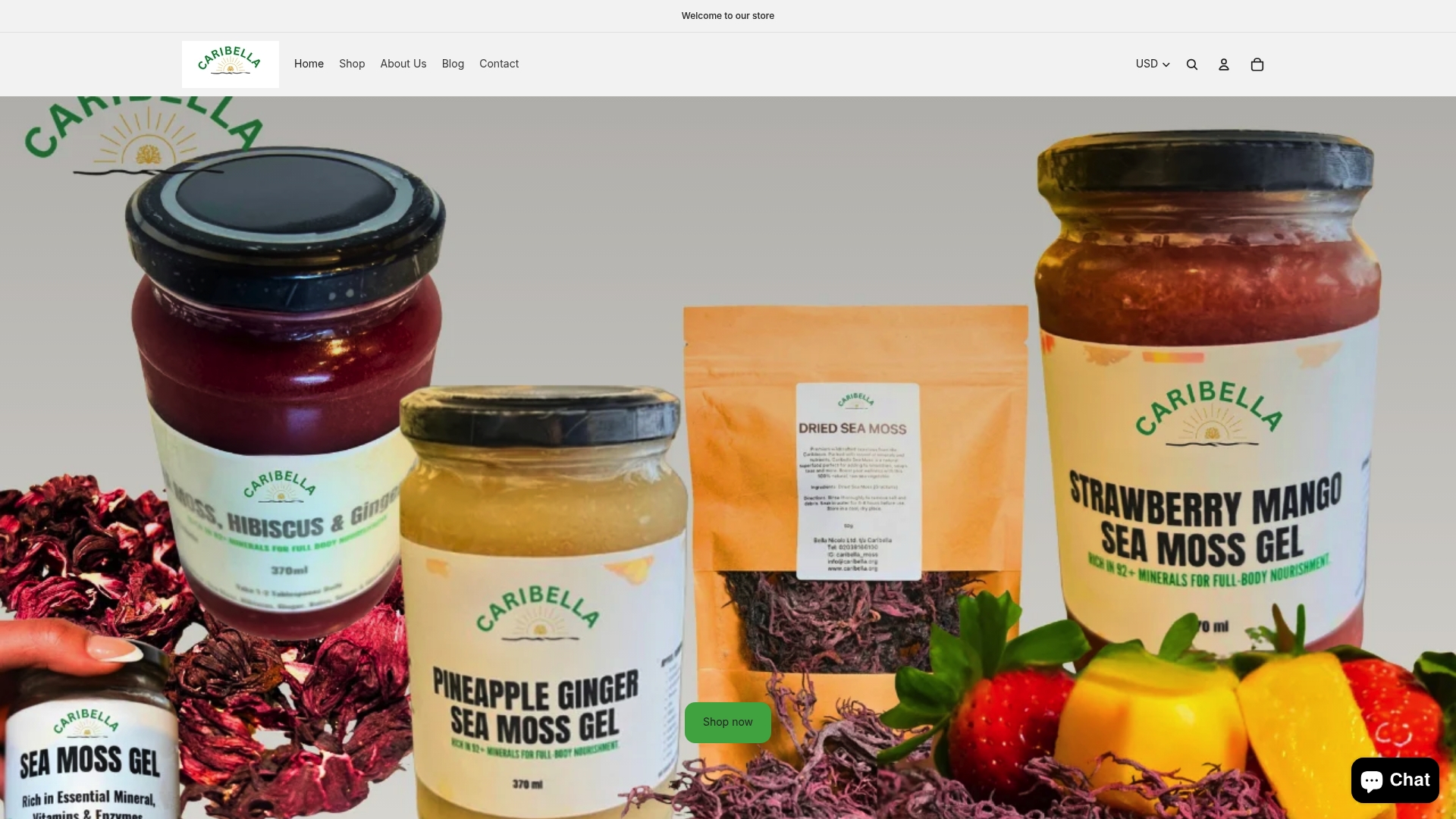
Caribella’s sea moss gels are made from nutrient-dense sea moss, a Caribbean staple that provides naturally occurring minerals to support energy and immunity. Their range of herbal teas includes blends designed to support relaxation, digestion, and restful sleep, making them a practical complement to the stress management habits covered in this guide. For women seeking targeted support, Caribella’s women’s wellness capsules are formulated with carefully selected botanicals to support hormonal balance and holistic health. Every product is plant-based, thoughtfully sourced, and designed to fit into a real daily routine without fuss.
FAQ
What are the best natural ingredients for stress relief?
Fermented foods containing psychobiotic bacteria, magnesium-rich foods like leafy greens and seeds, and adaptogenic herbs such as ashwagandha are among the most studied natural ingredients for stress relief. Always check for drug interactions before using herbal supplements.
How long does it take to see benefits from a plant-based diet?
Most people notice improvements in energy, digestion, and mood within four to eight weeks of consistently increasing plant food variety and fibre intake. Gut microbiome diversity continues to improve over months with sustained dietary changes.
Are natural supplements always safe to take?
No. Natural supplements can interact with prescription medications and carry risks at high doses. Concentrated turmeric supplements, for example, have been linked to liver injury cases, and St. John’s wort interacts with many common drugs.
Can fermented foods improve mental health?
Research shows fermented vegetables contain psychobiotic bacteria that influence neurotransmitter production and stress hormone regulation via the gut-brain axis. They are a supportive measure, not a replacement for professional mental health care.
How do I know which supplements are worth taking?
Focus on supplements with strong clinical evidence, such as vitamin D and omega-3, and choose products with third-party testing certification. Consult a GP or registered nutritionist before starting any new supplement, especially if you take other medications.