

Navigating nutrition during perimenopause and menopause can feel like reading a map with half the roads missing. Your body’s needs shift, energy dips, bones need more support, and the supplements aisle offers everything from collagen powders to adaptogenic herbs. Sea moss keeps appearing in wellness conversations, praised by influencers and health coaches alike, yet most people remain unclear about what it actually contains and whether those nutrients genuinely matter for women over 40. This article cuts through the noise, walking you through the specific nutrients sea moss provides, how they connect to midlife hormonal health, and how to use this information practically.
Table of Contents
- What nutrients does sea moss contain?
- Sea moss nutrients and their health roles
- How sea moss nutrient levels compare to other sources
- Evidence on sea moss for women’s health: What research shows
- Why the real power of sea moss is personalisation
- Where to find quality sea moss and wellness support
- Frequently asked questions
Key Takeaways
| Point | Details |
|---|---|
| Nutrients for women 40+ | Sea moss delivers iron, magnesium, calcium, and iodine which are valuable for women in perimenopause and menopause. |
| Iodine caution | High iodine content in sea moss can support thyroid but should be monitored to avoid excess intake and health risks. |
| Science-backed benefits | Current research shows modest improvements in blood sugar, digestion, and antioxidant status with sea moss. |
| Personalised approach | Sea moss works best when personalised, especially considering thyroid sensitivity and overall diet. |
What nutrients does sea moss contain?
Sea moss, also known as Irish moss or Chondrus crispus, is a type of red algae harvested from Atlantic coastlines. Its nutrient content is not fixed. Species, harvest location, season, and processing method all influence what ends up in your jar or capsule. That said, raw sea moss has a consistently impressive mineral profile that stands out among plant-based foods.
The table below gives you a clear snapshot of what 100g of raw sea moss typically provides:
| Nutrient | Amount per 100g | % Daily Value (approx.) |
|---|---|---|
| Iron | 8.9mg | 49% |
| Magnesium | 144mg | 34% |
| Zinc | 1.95mg | 18% |
| Calcium | 72mg | 7% |
| Potassium | 63mg | 1.3% |
| Folate | 182mcg | 46% |
These numbers are striking, particularly for iron and folate. For context, spinach provides roughly 2.7mg of iron per 100g. Sea moss more than triples that figure in raw form. Folate at 46% of the daily value is also significant for women managing cellular health and energy metabolism during hormonal transitions.
Key nutrients in sea moss particularly relevant to women 40 and older include:
- Iron, which supports oxygen transport and energy levels, especially relevant if perimenopause causes heavier periods
- Magnesium, which plays a role in nerve function, sleep quality, and muscle relaxation
- Calcium, important for maintaining bone density as oestrogen levels decline
- Potassium, which helps regulate fluid balance and blood pressure
- Folate, essential for DNA repair and cell renewal
- Zinc, which supports immune function and hormone production
Exploring how these sea moss minerals for women 40+ connect to specific midlife concerns gives you a much stronger foundation for deciding whether sea moss fits your wellness approach.
Sea moss nutrients and their health roles
Each mineral in sea moss does something specific. Understanding those roles helps you move beyond vague claims and make genuinely informed decisions.
Here is how the key nutrients connect to wellness for women in perimenopause and menopause:
-
Iodine Sea moss is one of the richest natural sources of iodine, a mineral your thyroid depends on to produce hormones that regulate metabolism and mood. During perimenopause, thyroid function can fluctuate, and symptoms like fatigue, weight changes, and brain fog sometimes overlap with both thyroid disruption and hormonal change. This is exactly why iodine from sea moss is a double-edged consideration. Too little and your thyroid struggles; too much and you risk triggering hypo or hyperthyroidism.
-
Calcium and magnesium These two minerals work together for bone health. Oestrogen plays a protective role in maintaining bone density, so as levels fall during menopause, bones become more vulnerable. Calcium is the raw material; magnesium helps your body absorb and utilise it effectively. Magnesium also supports serotonin production, which matters for mood stability during what can be an emotionally turbulent phase.
-
Iron Fatigue is one of the most commonly reported symptoms during perimenopause. Erratic periods can mean heavier blood loss, increasing the risk of iron deficiency. Sea moss providing nearly half the daily value of iron per 100g makes it a noteworthy plant-based source, though absorption from plant foods (non-haem iron) is generally lower than from animal sources.
-
Potassium Hot flushes are partly linked to fluctuations in the autonomic nervous system. Potassium helps regulate vascular tone and fluid balance, which may offer some support during episodes of intense heat and sweating.
-
Folate Cell renewal slows with age. Folate is central to DNA synthesis and repair, keeping those processes running as efficiently as possible. It also supports cardiovascular health, which becomes a greater priority post-menopause.
-
Zinc Often overlooked, zinc supports immune defence, skin integrity, and the activity of several hormones including insulin and thyroid hormones.
For perimenopausal and menopausal women, sea moss for menopause offers a compelling nutrient profile, though monitoring iodine intake remains critical, particularly if you have an existing thyroid condition. The iodine and thyroid relationship means that sea moss minerals can support thyroid function, metabolism, and mood, alongside calcium and magnesium for bone health, iron for fatigue, and potassium for hot flush management, but excess iodine can disrupt the very thyroid function you are trying to support.
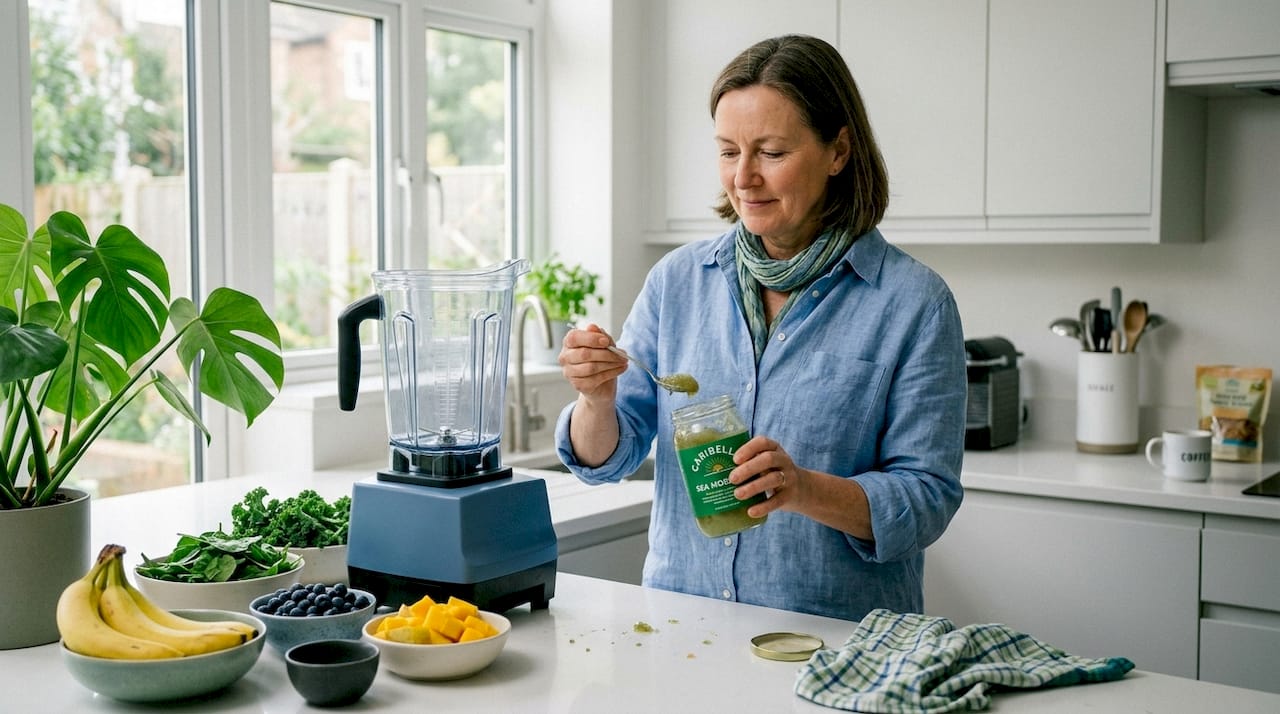
Pro Tip: If you are new to sea moss, start with a small daily serving of gel (roughly one to two teaspoons) rather than jumping to higher doses. This lets your body adjust and makes it easier to identify any sensitivity, particularly around iodine. Women considering choosing sea moss capsules may find standardised doses easier to manage when first starting out.
How sea moss nutrient levels compare to other sources
Sea moss sounds impressive on paper, but how does it actually compare to foods you might already be eating regularly?
| Nutrient | Sea moss (100g raw) | Spinach (100g raw) | Kale (100g raw) | Typical multivitamin |
|---|---|---|---|---|
| Iron | 8.9mg | 2.7mg | 1.5mg | 8-18mg |
| Magnesium | 144mg | 79mg | 33mg | 50-100mg |
| Folate | 182mcg | 194mcg | 141mcg | 400mcg |
| Calcium | 72mg | 99mg | 150mg | 200-500mg |
| Iodine | Variable (high) | Negligible | Negligible | 0-150mcg |
The comparison reveals something important. Sea moss genuinely excels at delivering magnesium and iron in a whole-food form. For iodine specifically, it stands almost alone among plant foods. However, calcium is actually higher in leafy greens like kale, and folate is comparable across sea moss and spinach.
Where sea moss becomes more complex is in its variability. Nutrient content varies by species, harvest location, and season, and heavy metals are a real concern if the sea moss is sourced from polluted waters. This is not a reason to avoid it; it is a reason to buy from brands with proper quality testing and transparent sourcing.
Key considerations when comparing sea moss to other nutrition sources:
- Bioavailability matters Plant-based minerals are generally less bioavailable than those from animal sources. Pairing sea moss with vitamin C-rich foods can improve iron absorption.
- Heavy metal risk Seaweed absorbs whatever is in the water around it. Arsenic, lead, and mercury can accumulate in poorly sourced sea moss. Always look for third-party tested products.
- Consistency of dose Gel forms provide variable amounts; capsules with standardised extracts offer more predictable dosing.
- Synergy with diet Sea moss works best as a complement to a nutrient-rich diet, not a replacement for vegetables, quality protein, and whole grains.
Understanding the sea moss terminology guide on product labels helps you identify whether what you are buying is wild-harvested, pool-grown, or blended with other seaweeds, all of which affect the nutrient profile you actually receive.
“Not all sea moss products are created equal. Where it was grown, how it was dried, and what quality controls were applied all determine the nutritional value and safety of the product you consume.”
Evidence on sea moss for women’s health: What research shows
Scientific research on sea moss in humans is still in its early stages. Most studies are small, short in duration, and often conducted in general populations rather than specifically in women over 40. That context matters when evaluating the claims you see online.
What current human studies on sea moss show is modest but real. Trials with fewer than 60 participants and relatively short durations report benefits including improved blood glucose regulation, more regular stool frequency, and better antioxidative markers. More research is needed before firm clinical recommendations can be made.
Here is a realistic summary of what we know and what remains uncertain:
- Blood sugar support Small trials suggest sea moss may help moderate blood glucose levels, which is relevant for women whose insulin sensitivity can shift during menopause.
- Digestive health The soluble fibre in sea moss, primarily carrageenan and agar-like compounds, appears to support stool regularity and gut microbiome diversity.
- Antioxidant activity Sea moss contains antioxidants that may help reduce oxidative stress, which increases naturally with age and hormonal change.
- Skin and inflammation Preliminary evidence points to anti-inflammatory properties, potentially relevant for skin changes and joint discomfort in midlife women. More detail on this can be found in research on sea moss for skin health.
- What is still unclear Long-term effects, optimal dosage, hormone-specific impacts, and safety in women with thyroid or autoimmune conditions all require further study. A thorough overview of both sides is available in a guide on Irish moss benefits and risks.
Pro Tip: Keep a simple wellness journal when you start sea moss. Note energy levels, digestion, sleep quality, and any unusual symptoms over a four-week period. This self-monitoring approach gives you personal data that no general study can provide, and it makes conversations with your GP or nutritionist far more productive.
Why the real power of sea moss is personalisation
Here is something you will not find in most wellness articles about sea moss: the one-size-fits-all approach is not just unhelpful, it can be genuinely counterproductive for women over 40.
Most online content focuses on listing sea moss benefits as though they apply equally to everyone. They do not. A woman with Hashimoto’s disease needs to approach iodine very differently from a woman with no thyroid history. A woman experiencing heavy perimenopausal periods may gain meaningful benefit from sea moss’s iron content, while a woman in post-menopause who no longer loses blood monthly has a completely different iron requirement.
The real opportunity with sea moss is treating it as one personalised tool within a broader nutritional strategy. That means knowing your baseline. A simple blood panel checking iron, thyroid function, magnesium, and vitamin D gives you a clear starting point. From there, sea moss either fills a genuine gap or it does not.
It also means choosing the right format. Gels allow for flexible dosing. Capsules offer consistency. If you are learning how to make sea moss gel at home, you have full control over sourcing and preparation, which reduces quality uncertainty. If you prefer convenience, look for brands that test for heavy metals and state the species clearly on the label.
The uncomfortable truth is that sea moss is not going to balance your hormones on its own, clear brain fog overnight, or replace the impact of sleep, stress management, and dietary variety. What it can do, when sourced well and used consistently, is add a meaningful layer of mineral support to a thoughtful wellness approach. That distinction matters. Women who expect miracles from a single supplement tend to abandon it quickly when the miracle does not materialise. Women who use sea moss as part of a calibrated, self-aware nutrition plan are the ones who report sustained benefit.
Where to find quality sea moss and wellness support
Sea moss is only as good as its source, and that is where Caribella comes in.
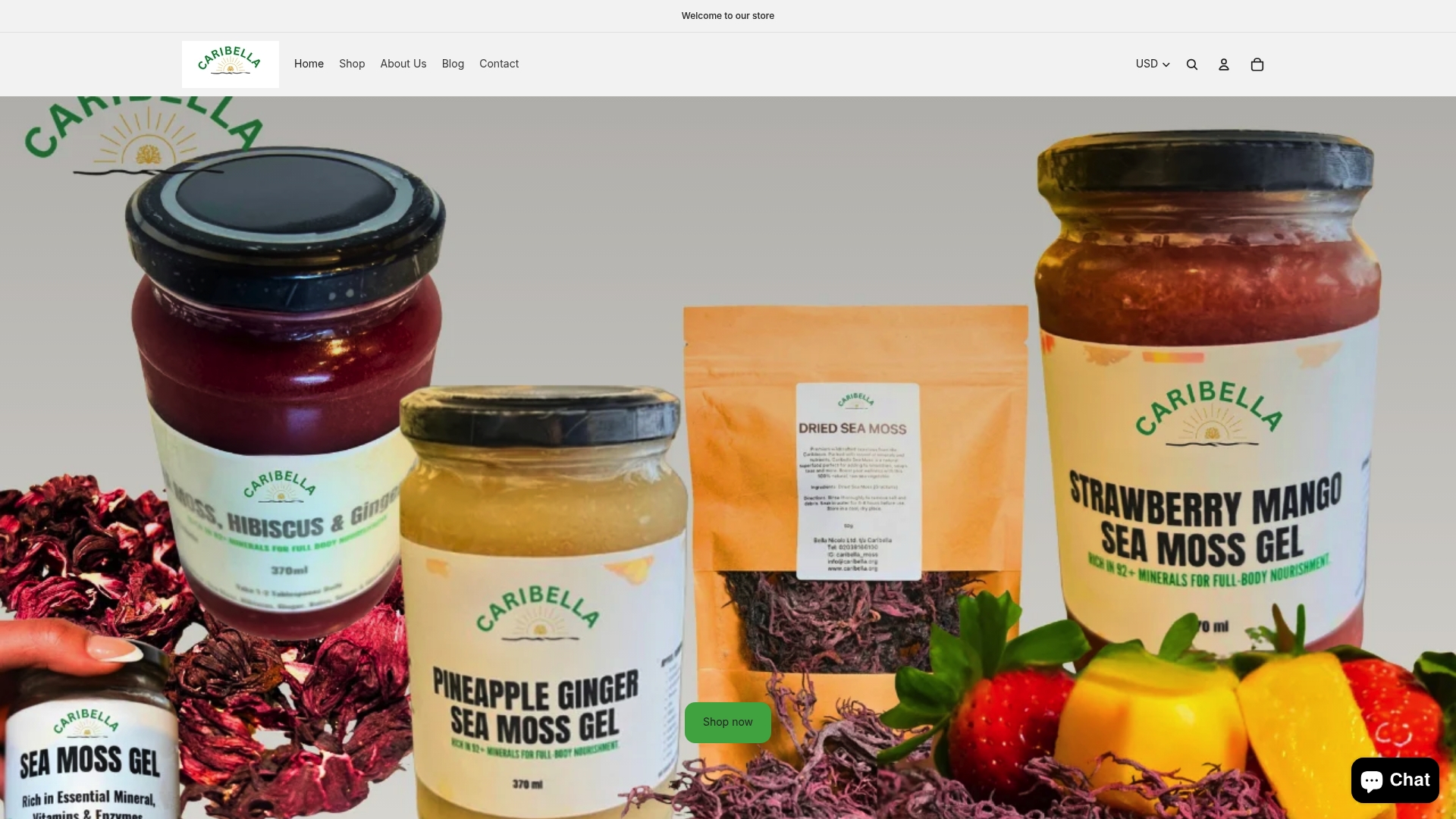
At Caribella, we have built our range specifically with women’s wellness in mind, drawing on Caribbean traditions of using sea moss as everyday nourishment rather than a trend. Our sea moss gels are crafted from carefully selected, quality-tested sea moss, with no unnecessary additives. We also offer capsules for women who prefer a measured, consistent dose, and wellness bundles that pair sea moss with herbal teas and other plant-based support for energy, digestion, and hormonal balance. Every product is designed to fit into a real woman’s daily routine, without guesswork or complicated preparation. If you are ready to explore sea moss on your own terms, backed by quality you can trust, Caribella is a practical, supportive place to start.
Frequently asked questions
Is sea moss safe for women with thyroid conditions?
Sea moss can contain highly variable iodine levels, ranging from 47 to over 6,000 micrograms per gram dry weight, which carries real risk for those with thyroid conditions; always consult a healthcare professional before introducing it to your routine.
How often should sea moss be consumed for menopause support?
No standard clinical dosage exists, and current human trials remain limited in size and duration; starting with a small daily amount and assessing your individual response with professional guidance is the most sensible approach.
Does sea moss provide all necessary minerals for women over 40?
Sea moss delivers impressive amounts of certain minerals, including iron at 49% daily value and magnesium at 34%, but it does not cover every nutritional need and should sit alongside a varied, balanced diet rather than replace it.
What are the signs of too much iodine from sea moss?
Excess iodine can trigger symptoms including fatigue, mood shifts, rapid heartbeat, and thyroid disruption leading to either hypo or hyperthyroidism; reduce your intake immediately and speak with your doctor if you notice any of these signs.
Recommended
- Sea moss nutrition: key minerals for women 40+ (2026) – Caribella
- Irish moss explained: benefits and risks for women over 40 – Caribella
- Sea moss benefits for women’s health and menopause – Caribella
- How to make sea moss gel: a guide for women 40+ – Caribella
- SuperNatural Supplements | BioSoluble® Curcumin™