

Recovering well after exercise matters more in your 40s than at any other time in your life. Hormonal shifts affect how quickly muscles repair, inflammation lingers longer, and energy takes more time to restore. If you have been wondering how to recover after workout with herbal snacks rather than relying on processed protein bars or sugary sports drinks, you are asking exactly the right question. The good news is that combining smart nutrition with the right herbs and functional foods can genuinely support your recovery. The even better news is that it does not have to be complicated.
Table of Contents
- Key takeaways
- How to recover after workout with herbal snacks
- Herbs and functional foods for recovery
- Building your post-workout herbal snack
- Mistakes to avoid with herbal recovery snacks
- Monitoring your recovery and adjusting over time
- What I have learned about herbal snacks and real recovery
- Caribella’s natural snacks for post-workout recovery
- FAQ
Key takeaways
| Point | Details |
|---|---|
| Protein and carbs come first | Consume 20 to 40g of protein with carbohydrates within two hours post-exercise to support muscle repair. |
| Herbs are supportive, not solo solutions | Anti-inflammatory herbs like turmeric and ginger work best when paired with complete recovery nutrition. |
| Timing is flexible | A 30 to 120 minute window post-workout suits busy schedules without sacrificing recovery benefits. |
| Safety with herbs matters | Culinary quantities of herbs are generally safe; high-dose supplements require medical advice, especially if you take medication. |
| Track and adjust | Monitor soreness, energy, and performance to find the herbal snack approach that works best for your body. |
How to recover after workout with herbal snacks
Before herbs enter the picture, you need to understand what your body actually demands after a workout. Muscles break down during exercise and need amino acids from protein to rebuild. Glycogen, your primary fuel source, depletes during training and requires carbohydrates to replenish. Inflammation follows exertion and, while some of it is normal and necessary, excess inflammation drives the soreness that slows you down the next day.
Experts recommend consuming 20 to 40g protein with some carbohydrates within two hours post-exercise to support muscle recovery. That window matters because muscle cells are most receptive to nutrients in this period. Miss it consistently and your recovery stalls.
Exercise depletes electrolytes such as sodium, potassium, and magnesium, which support muscle and nerve function. Replenishing them is not optional. Fatigue, cramps, and brain fog after a workout are frequently signs of electrolyte imbalance rather than just tiredness.
Here is what your post-workout recovery nutrition needs to cover:
- Protein: At least 20g from quality sources such as Greek yoghurt, eggs, legumes, or dairy.
- Carbohydrates: Wholegrain options, oats, fruit, or sweet potato to restore glycogen.
- Electrolytes: Potassium from banana or avocado, magnesium from seeds, sodium from light salting.
- Hydration: Water and herbal teas to replace fluid lost through sweat.
- Anti-inflammatory support: This is where herbs earn their place.
Pro Tip: If you train in the morning and are not hungry immediately after, a small herbal tea with a handful of nuts can bridge the gap until a fuller recovery meal.
Herbs and functional foods for recovery
Functional foods earn their name by delivering benefits beyond basic nutrition. For active women over 40, tart cherry juice, turmeric, and omega-3 sources have shown meaningful potential for reducing exercise-induced inflammation and muscle soreness. These are not marketing claims. They are backed by measurable bioactive compounds that interact with the body’s inflammatory pathways.

Turmeric contains curcumin, which interrupts several pro-inflammatory signalling routes in the body. Ginger works in a similar way, suppressing inflammatory enzymes. Cinnamon supports blood sugar stability post-exercise, which helps prevent the energy crash that often hits an hour after training. Chia and flaxseeds bring omega-3 fatty acids that contribute to systemic anti-inflammatory effects over time.
That said, managing expectations is part of using herbs wisely. Tart cherry juice’s effects on delayed onset muscle soreness show mixed results in controlled trials, with some trends observed but no consistent significant improvements compared to placebo. Think of herbal ingredients as a supportive layer, not a guaranteed fix.
Gut health is another angle worth paying attention to. Probiotics and prebiotic fibres are emerging as important for muscle recovery and immune function, as they support nutrient absorption and reduce gut-driven inflammation. Including fermented foods such as yoghurt or kefir, alongside fibre-rich seeds and herbs, creates a snack that works on multiple recovery fronts.
Herbs act as supportive functional foods rather than standalone recovery solutions. Balanced macronutrient intake remains the foundation, and herbs build upon it.
Safety is non-negotiable. Ginger in normal food amounts is safe for most people, but high-dose ginger supplements can interact with blood thinners and certain medications. This caution extends to many herbal ingredients. If you take prescription medication, checking with your GP before introducing concentrated herbal supplements is sensible. Using herbs in culinary quantities within snacks, as this guide encourages, carries far lower risk than capsules or extracts.
For broader guidance on safe herbal options for women in midlife, the Caribella wellness blog covers this territory in depth.
Pro Tip: Ground turmeric combined with a pinch of black pepper increases curcumin absorption significantly. Add both to your post-workout smoothie or yoghurt bowl.
Building your post-workout herbal snack
The most effective natural recovery snacks combine protein, complex carbohydrates, herbs, and hydration. Here is how to build them practically.
Step-by-step herbal snack construction
- Choose your protein base. Greek yoghurt (15 to 20g protein per serving), cottage cheese, or a plant-based protein such as hemp seeds or edamame all work well.
- Add a carbohydrate source. Rolled oats, a banana, whole grain crackers, or roasted sweet potato provide glycogen replenishment without a sugar spike.
- Layer in your herbs. Stir ground ginger, turmeric, and cinnamon into yoghurt or oats. Add chia or flaxseeds for omega-3 content and fibre. A tablespoon of each is sufficient.
- Include something fermented. Kefir, natural yoghurt, or a small serving of sauerkraut supports gut health and nutrient uptake.
- Hydrate alongside. Pair your snack with water or a herbal tea. Herbal teas for energy and recovery after exercise are an underused but genuinely effective hydration strategy.
Snack timing and composition at a glance
| Snack idea | Protein source | Herbal component | Best timing |
|---|---|---|---|
| Turmeric yoghurt bowl | Greek yoghurt | Turmeric, black pepper | 30 to 60 mins post-workout |
| Ginger oat pot | Oats with milk | Ginger, cinnamon, chia seeds | 45 to 90 mins post-workout |
| Sea moss smoothie | Hemp seeds, kefir | Sea moss gel, ginger | Within 30 mins if tolerated |
| Spiced egg and oatcake | Boiled eggs | Turmeric, cumin on egg | 60 to 120 mins post-workout |
Protein and complex carbohydrate snacks with hydration post-exercise genuinely enhance recovery efficiency, particularly when fibre and dairy components are included for sustained energy release and gut support.
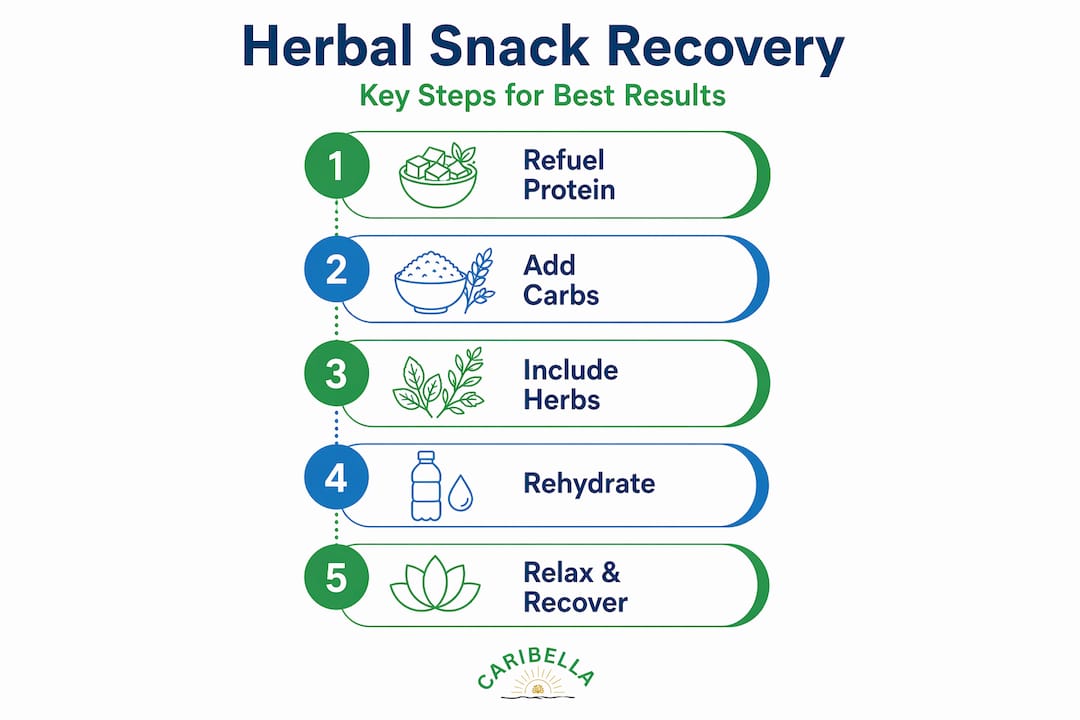
Carb timing is flexible within 30 to 120 minutes post-exercise for most people, which means you have a reasonable window to prepare a proper snack rather than forcing down food you are not ready for immediately after training.
Pro Tip: Prepare a batch of turmeric oats or spiced yoghurt the night before if mornings are hectic. Recovery nutrition you actually eat beats a perfect plan you skip.
Mistakes to avoid with herbal recovery snacks
Getting the basics right makes all the difference. Here are the most common errors that undermine the benefits of natural recovery snacks.
- Skipping protein and carbs and relying solely on herbs. Herbs cannot repair muscle tissue. Without adequate protein and carbohydrates, no amount of turmeric or ginger will prevent soreness or restore energy.
- Taking concentrated herbal supplements without medical advice. This is especially relevant if you take blood pressure medication, blood thinners, or hormone therapy. Culinary herbs are safe; therapeutic doses are a different matter entirely.
- Missing the intake window. Eating your recovery snack three or four hours after exercise means glycogen stores remain low and muscle protein synthesis is delayed. Aim for that 30 to 120 minute range consistently.
- Drinking too little. Many women forget that post-workout fatigue is often dehydration. Herbal teas count towards fluid intake and have the added benefit of delivering bioactive compounds simultaneously.
- Adding excessive sugar. Flavoured yoghurts, fruit juices, and commercial herbal drinks often carry hidden sugar loads that spike and crash blood glucose, working against the stable energy recovery demands.
The most common mistake I see is treating herbal snacks as the main event. They are the supporting cast. Protein, carbohydrates, and hydration are still the lead roles.
Monitoring your recovery and adjusting over time
Your body will tell you whether your herbal snack strategy is working, if you pay attention. Recovery is not abstract. It shows up in concrete, measurable ways.
Signs that your approach is improving recovery include:
- Reduced muscle soreness 24 to 48 hours after exercise
- Faster return to full energy and mental clarity post-workout
- Better sleep quality on training days
- Improved workout performance in subsequent sessions
- Less joint stiffness, particularly in the mornings
Keep a simple training and nutrition journal for two to three weeks. Note what you ate after exercise, how sore you felt the next day, and how your energy held up. Patterns will emerge. You may find that ginger helps more than turmeric for your specific soreness patterns, or that sea moss gel smoothies suit your morning schedule better than oat bowls.
Herbal nutrition for recovery is not a one-size-fits-all prescription. Adjusting for your training load, hormonal cycle, and personal food preferences is part of the process. If your recovery is not improving despite consistent effort, a sports nutritionist or GP can offer personalised guidance. This is particularly worth considering if you are in perimenopause or menopause, where nutrition needs shift meaningfully.
What I have learned about herbal snacks and real recovery
I have spent years watching women in their 40s and 50s invest in expensive herbal supplements while under-eating protein after training. The herbs get the credit for any improvement, but nine times out of ten, it is finally eating enough after exercise that made the difference.
My honest take: herbs work best when you stop treating them as medicine and start treating them as food. A turmeric yoghurt bowl after a strength session is not a clinical intervention. It is a well-constructed meal that happens to include ingredients with genuine anti-inflammatory properties. That framing matters because it keeps expectations realistic and habits sustainable.
What I have found genuinely useful is the combination approach. A snack with 20 to 25g of protein, some complex carbs, and a couple of herbal additions ticks every recovery box without requiring a degree in sports nutrition to prepare. The timing flexibility, within 30 to 120 minutes post-exercise, makes it workable even on the busiest days.
The one thing I would urge every reader to take seriously is the medication interaction point. Herbs are real compounds with real effects. If you take any regular medication, a quick conversation with your GP about culinary herb quantities is time well spent. It almost always comes back as fine, but knowing that with certainty matters.
Start with one consistent herbal snack after each workout. Track how you feel. Adjust from there. That is the whole method.
— Nicole
Caribella’s natural snacks for post-workout recovery
If you are ready to make herbal recovery snacks part of your routine, Caribella has done much of the ingredient sourcing for you. Inspired by Caribbean traditions of plant-based wellness, the range is built for exactly this purpose: natural, nutrient-dense support for active women who want recovery solutions that actually fit their lives.
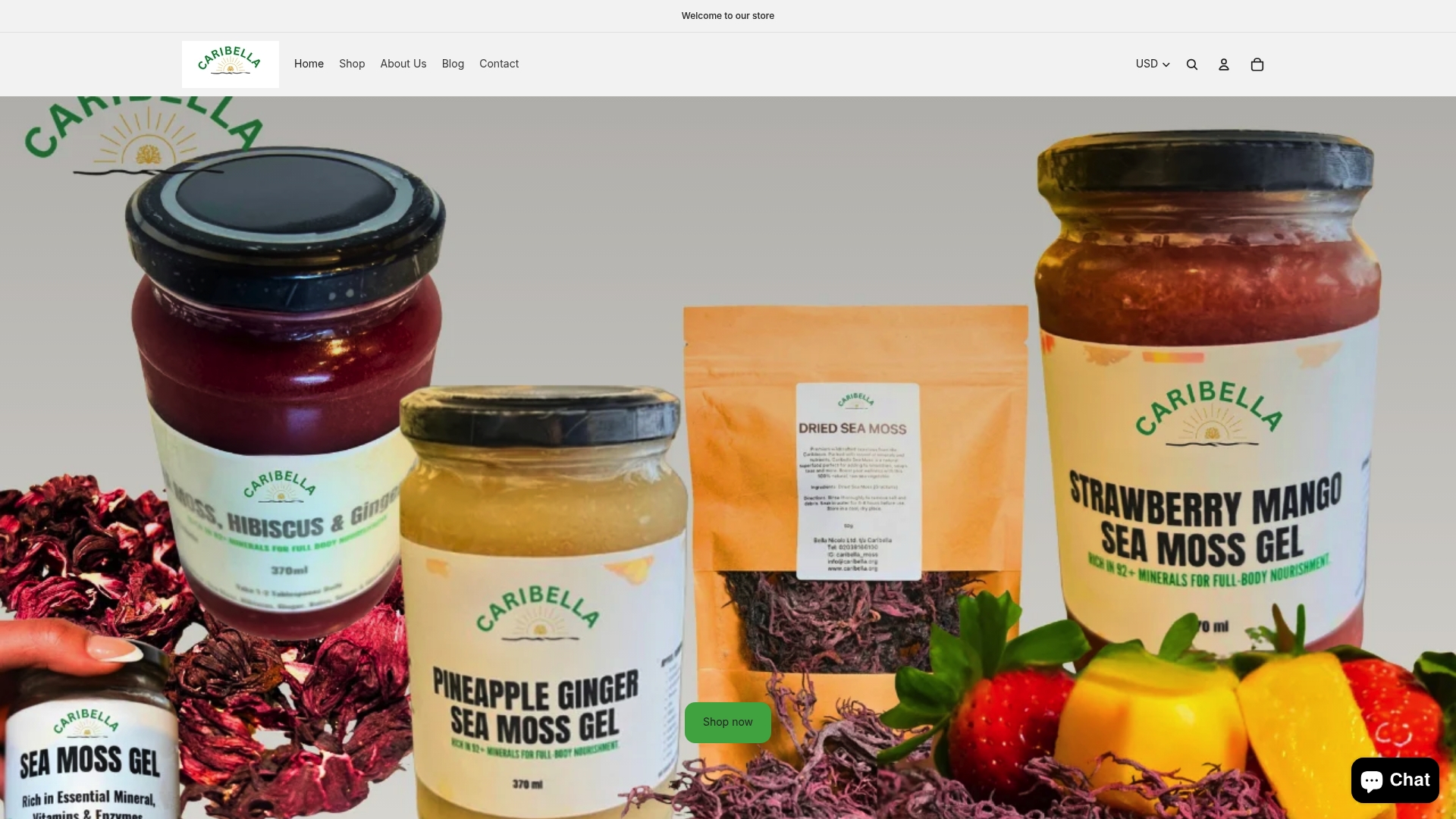
Caribella’s sea moss gels are rich in minerals including potassium and magnesium, the very electrolytes depleted during training. They blend easily into smoothies, yoghurt bowls, and overnight oats, making them one of the more practical functional food additions to a post-workout snack. The herbal teas collection covers both energy and recovery, with formulations designed to support hydration and deliver bioactive compounds in a form that is easy to absorb and easy to enjoy. For women who want recovery nourishment they can genuinely look forward to, Caribella’s approach, grounded in natural ingredients and Caribbean herbal wisdom, is worth exploring.
FAQ
What should I eat after a workout to aid recovery?
Aim for a snack containing 20 to 40g of protein and some complex carbohydrates within two hours of exercise. Protein supports muscle repair while carbohydrates restore glycogen. Including herbal additions like turmeric or ginger provides anti-inflammatory support.
Are herbal snacks enough to recover after exercise?
No. Herbal snacks work best as a complement to, not a replacement for, adequate protein, carbohydrates, and hydration. Herbs are supportive functional foods that reduce inflammation, but they cannot substitute for core recovery nutrition.
When is the best time to eat after a workout?
A 30 to 120 minute window after exercise works well for most women and accommodates busy schedules. Eating within this range supports glycogen replenishment and muscle protein synthesis without requiring rushed eating immediately after training.
Is ginger safe to use in post-workout snacks?
Ginger in culinary quantities, such as ground ginger stirred into yoghurt or oats, is safe for most people. High-dose ginger supplements can interact with blood thinners and other medications, so speak to your GP if you take regular prescription drugs.
Which herbs are most useful for post-workout recovery?
Turmeric, ginger, tart cherry, and cinnamon are among the most studied herbs for post-exercise recovery. Omega-3 rich seeds like chia and flax also contribute anti-inflammatory effects. Use them in food-based quantities as part of a balanced post-workout snack for the best results.