

Herbal detox has become one of the most talked-about practices in holistic wellness, yet it remains one of the most misunderstood. The term gets thrown around on product labels and social media with bold promises of cleansing, weight loss, and renewed energy. But what is herbal detox, really? At its core, it means using plant-based substances to support your body’s natural elimination processes. Some of those claims are grounded in genuine plant science. Others are not. This guide cuts through the noise and gives you a clear, honest picture of how herbal detox works, what it can and cannot do, and how to approach it safely.
Table of Contents
- Key takeaways
- What is herbal detox and how does it work
- Herbal detox benefits: what the evidence actually shows
- Safety and risks you need to know
- Comparing herbal detoxing methods
- Practical tips for safe herbal detoxing
- My honest take on herbal detox
- Support your wellness with Caribella
- FAQ
Key takeaways
| Point | Details |
|---|---|
| Herbal detox defined | It involves using plant-based herbs, teas, or supplements to support the body’s natural elimination organs. |
| Benefits are limited | Scientific evidence for major detox claims is modest; the body already cleanses itself continuously. |
| Real safety risks exist | Herb-induced liver injury and drug interactions are documented risks that require serious consideration. |
| Product quality varies widely | Many products contain undeclared ingredients; always choose certified, transparent brands. |
| Professional guidance matters | Consult a healthcare provider before starting any herbal detox, especially if you take medication. |
What is herbal detox and how does it work
Herbal detox refers to the use of herbs, plants, and botanical preparations to assist the body’s natural detoxification processes. Unlike medical detox, which addresses addiction or poisoning, herbal detoxing is rooted in traditional wellness practice. It aims to support organs already doing the work of elimination, specifically your liver, kidneys, digestive system, and lungs.
Your body eliminates toxins constantly, processing waste products from metabolism as well as chemicals absorbed through food and the environment. Herbal detox does not replace that process. Rather, certain herbs are thought to enhance it by supporting bile production, kidney filtration, gut motility, or antioxidant defence.
The mechanisms herbs use include diuretic action (encouraging the kidneys to flush more fluid), digestive support (stimulating bile and improving bowel regularity), antioxidant activity (reducing oxidative stress on cells), and liver enzyme modulation (affecting how the liver processes compounds). These are genuine physiological pathways. How strongly any given herb influences them in a human being is a more complicated question.
Common herbs used in detox preparations include:
- Dandelion root — acts as a mild diuretic and supports bile production, aiding liver and kidney function
- Milk thistle — contains silymarin, a compound studied for its protective effects on liver cells
- Turmeric — provides curcumin, an antioxidant with anti-inflammatory properties relevant to liver health
- Nettle — a diuretic herb that supports kidney filtration and provides minerals
- Liquorice root — used in traditional medicine for digestive and liver support
- Chamomile — gentle digestive support with calming properties
These herbs are delivered in several formats: detox herbal tea is the most common, followed by capsules, tinctures (liquid extracts), and powders mixed into smoothies or food.
Pro Tip: If you are new to herbal detoxing, starting with a simple, single-herb tea such as dandelion or chamomile is far safer than jumping straight into a multi-ingredient detox formula. Fewer ingredients means fewer variables if a reaction occurs.
Herbal detox benefits: what the evidence actually shows
The marketing around herbal detox products tends to promise a great deal. Toxin elimination. Liver regeneration. Effortless weight loss. Clear skin. The evidence, when you look at it carefully, tells a more measured story.
Milk thistle and turmeric show positive effects on liver inflammation and oxidative stress in laboratory studies, but neither has robust clinical trial evidence supporting their routine use as detoxification agents in healthy people. The gap between a promising lab result and a proven human benefit is significant.
“The body’s organs do an excellent job of filtering blood, processing nutrients, and eliminating waste on their own. The question is not whether your body detoxes. It does. The question is whether a specific herb genuinely supports that process beyond a healthy baseline.”
A 2026 PubMed mini-review analysed ten studies on diet and detox teas and found limited scientific evidence supporting weight loss or meaningful detox benefits. The same review reported risks including electrolyte disturbances and cardiovascular events in otherwise healthy individuals. This is not an argument against all herbal wellness practices. It is an argument for keeping expectations realistic.
Where herbal detox benefits are most plausible is in gentle, supportive roles. Dandelion tea may mildly encourage kidney function. Ginger may improve digestive comfort. Turmeric may reduce low-level inflammation over time. These are modest but real contributions to wellbeing, particularly when combined with a nutrient-rich diet and adequate hydration. They are not cures, and they are not substitutes for medical care.
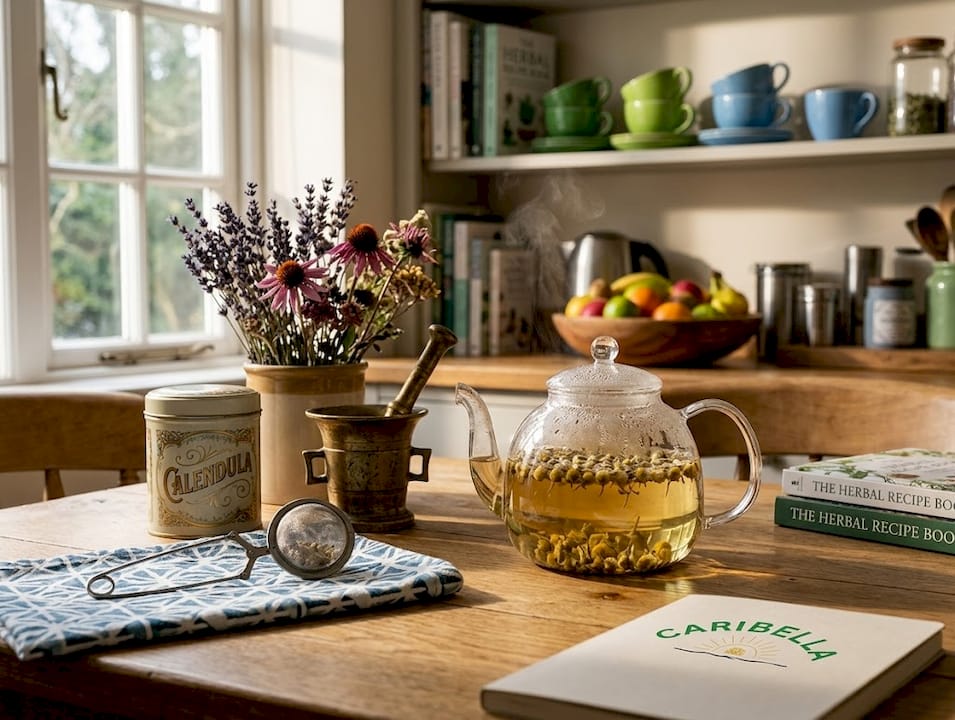
The honest framing of herbal detox benefits is this: they support healthy function rather than dramatically overhaul it. For most people in reasonably good health, that supportive role has value. Expecting a dramatic physiological reset leads to disappointment and, in some cases, to taking products at doses that create risk rather than benefit.
Safety and risks you need to know
Herbal products carry real risks. This is not a reason to avoid them entirely, but it is a reason to take them seriously rather than treating them as harmless because they are natural.
The most serious documented risk is herb-induced liver injury (HILI). HILI is a potentially fatal condition with no specific antidote; clinical management consists entirely of supportive care and stopping exposure to the causative herb. Symptoms are often nonspecific and easy to miss, including fatigue, abdominal discomfort, and jaundice.
Specific herbs with documented links to liver injury include green tea extract at high doses, kava kava, and polygonum multiflorum. These are not obscure herbs. Green tea extract appears in numerous popular detox supplements sold to the general public. Awareness of this risk is not alarmism. It is practical safety knowledge.
Beyond liver injury, the risks associated with herbal detox products include:
- Electrolyte imbalance — diuretic herbs used in excess can deplete potassium and sodium, which affects heart and muscle function
- Drug interactions — herbs like St John’s Wort and liquorice root interact with common medications including blood thinners, antidepressants, and blood pressure drugs
- Undeclared ingredients — many herbal detox products contain undeclared pharmaceuticals or stimulants, creating unpredictable risks
- Electrolyte disturbances from laxative herbs — senna, found in some detox teas, can cause dependency and electrolyte loss when used regularly
- Worsening of existing conditions — people with kidney disease, liver conditions, or hormone-sensitive conditions may be particularly vulnerable
A further complication is regulation. Detox and cleanse products lack uniform regulation, meaning there is no consistent standard for dosing, ingredient transparency, or manufacturing quality across the industry.
Pro Tip: Before buying any herbal detox product, look for third-party certification from organisations such as NSF International or the Soil Association. Certification is not a guarantee of safety, but it significantly reduces the risk of contaminated or mislabelled products.
Comparing herbal detoxing methods
Understanding the different herbal detoxing methods helps you choose an approach that suits both your goals and your tolerance for risk. Not all methods carry the same profile.
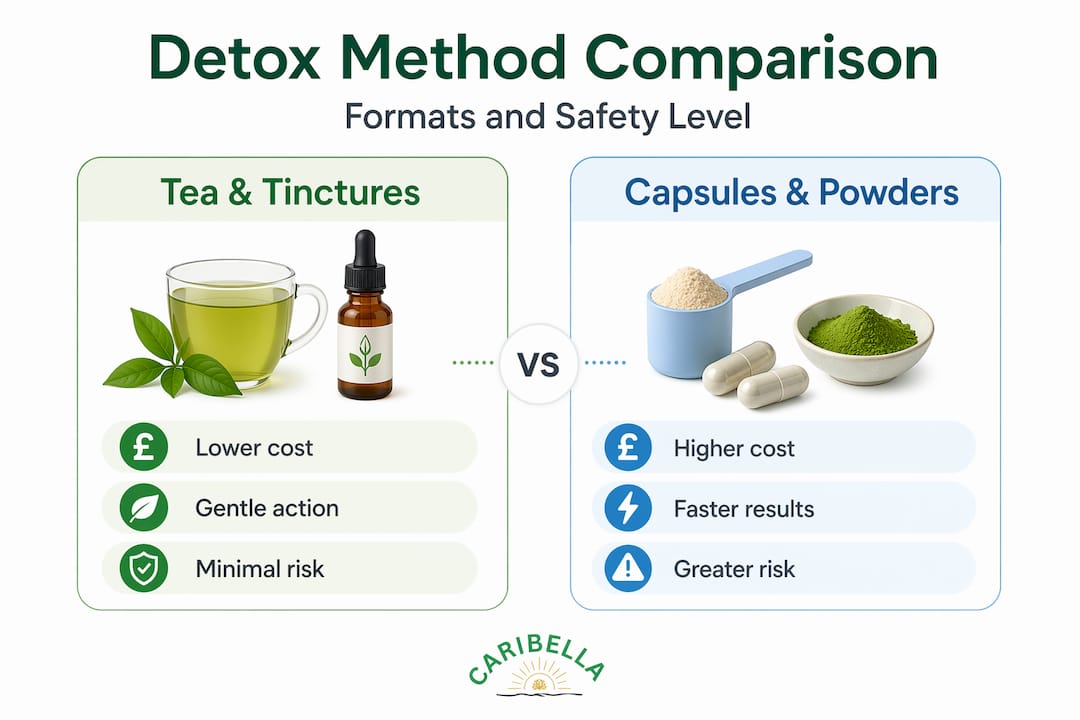
| Method | Convenience | Cost | Risk level | Notes |
|---|---|---|---|---|
| Detox herbal tea | High | Low | Low to moderate | Gentlest option; easy to control dosage |
| Capsules/supplements | High | Moderate | Moderate | Standardised dosing possible; check for certification |
| Tinctures | Moderate | Moderate | Moderate | Concentrated; alcohol-based; strong herb content |
| Juice cleanses | Moderate | High | Moderate | Low in protein; may cause blood sugar fluctuations |
| Colon cleanses | Low | High | High | Significant electrolyte risk; not recommended without medical supervision |
| Fasting-based protocols | Low | Low | High | Risk of nutrient deficiency; not suitable for everyone |
Popular detox methods range from mild herbal teas to intensive fasting and colon cleansing regimens. The gentler the method, the easier it is to monitor your body’s response and adjust accordingly.
Signs that a detox product or programme is likely too harsh include:
- Promises of rapid, dramatic results within days
- Very high doses of multiple herbs combined in one product
- Containing senna, cascara sagrada, or other stimulant laxatives as primary ingredients
- No dosage guidance, duration recommendations, or safety warnings on the label
A well-designed herbal detox approach is gradual, time-limited, and transparent about its ingredients. It complements your existing diet rather than replacing meals, and it gives you clear guidance on when to stop.
Practical tips for safe herbal detoxing
Approaching herbal detox safely comes down to preparation, quality, and attention to your body’s signals. These steps apply whether you are trying a simple detox herbal tea or a structured supplement programme.
- Choose certified products — look for herbal supplements with transparent labelling and quality standards from reputable brands; third-party testing is the gold standard
- Consult your healthcare provider first — this is non-negotiable if you take any medication, have a chronic condition, or are pregnant or breastfeeding; herb-drug interactions are real and potentially serious
- Start with short durations — a one to two week trial gives you enough time to notice benefits or reactions without committing to a long programme that may not suit you
- Hydrate well — herbal detox methods work best alongside adequate water intake; diuretic herbs in particular require you to replenish fluids
- Pair with supportive nutrition — focus on whole foods, fibre-rich vegetables, and reduced processed food during your detox period; the herbs work alongside your diet, not in place of it
- Track how you feel — note any changes in energy, digestion, sleep, or mood; stop immediately if you experience nausea, unusual fatigue, skin yellowing, or dark urine
Pro Tip: Keep a simple daily log during your first herbal detox. One sentence per day about how you feel is enough. Patterns often become obvious within a week and give you much more useful information than any marketing claim ever could.
When in doubt about a specific herb, a practical guide for women over 40 is a helpful reference point for understanding which herbal teas offer gentle benefits with a lower risk profile.
My honest take on herbal detox
I have followed the herbal wellness conversation closely for years, and the thing I keep coming back to is this: most people approach herbal detox backwards.
They find a product first, usually one with attractive packaging and bold promises, and then work backwards to justify using it. What I have seen actually work is the opposite approach. Start with a genuine symptom or goal, such as sluggish digestion, persistent fatigue after a period of poor eating, or wanting to reduce your reliance on caffeine. Then research which herbs have actual evidence behind them for that specific concern. Choose one or two. Keep it simple.
The conventional wisdom that you can undo weeks of poor lifestyle choices with a ten-day detox tea programme is genuinely misleading. What a well-chosen herbal support routine can do is provide a gentle nudge toward better function while you also address the underlying habits. That is meaningful. It is just a smaller story than the one on the label.
I also think the regulation gap is something consumers need to understand. Until labelling and manufacturing standards improve across the industry, your best protection is choosing brands that choose transparency for themselves rather than waiting to be required to do so.
Herbal wellness has real value. I believe that fully. But it works best when you come to it informed, realistic, and willing to go slowly.
— Nicole
Support your wellness with Caribella
If you are looking for a gentle starting point for herbal detox, quality matters enormously. Caribella draws on Caribbean botanical traditions to offer herbal teas for detox support made from carefully selected, natural ingredients. Each blend is designed to support digestion, energy, and everyday wellbeing without harsh stimulants or hidden additives.
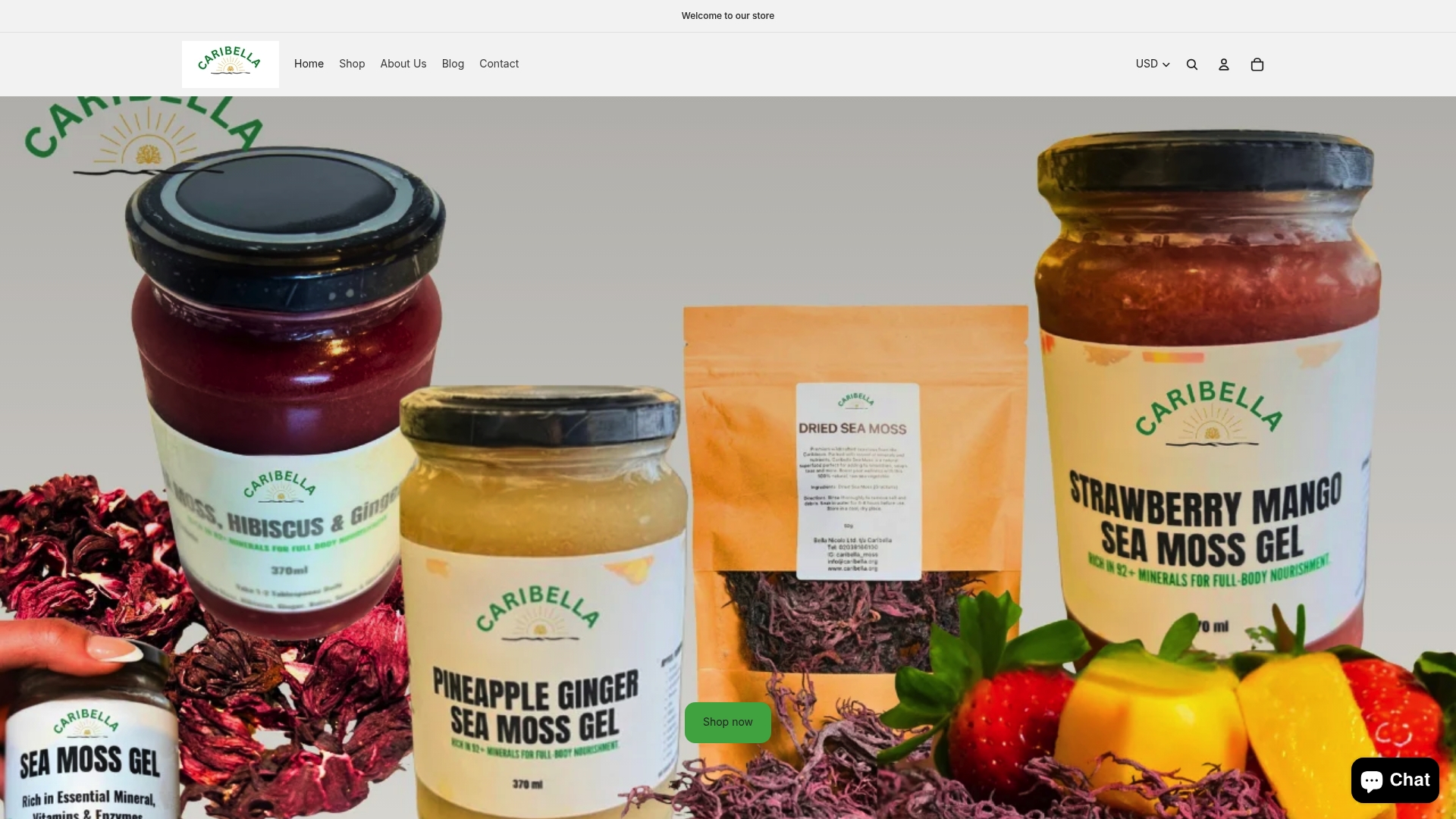
Caribella also offers organic sea moss gels rich in minerals that support natural body function, a popular choice among holistic health practitioners looking to complement a detox routine with whole-food nutrition. With full ingredient transparency and a commitment to plant-based quality, Caribella’s range gives you a safe, considered way to bring herbal wellness into your daily routine.
FAQ
What is herbal detox and is it the same as a cleanse?
Herbal detox uses plant-based herbs and botanical preparations to support the body’s natural elimination organs, including the liver and kidneys. A cleanse is a broader term that can include fasting or juice regimens; herbal detox specifically centres on herb-based products such as teas, capsules, or tinctures.
How does herbal detox work in the body?
Herbs work via several mechanisms including diuretic action, digestive support, antioxidant activity, and liver enzyme modulation. They do not create a new detox process; they are thought to support existing elimination pathways the body already uses.
Is herbal detox safe?
Herbal detox can be safe when approached carefully, but genuine risks exist. A 2026 mini-review documented electrolyte disturbances, cardiovascular events, and liver injury associated with detox teas; consulting a healthcare provider before starting is strongly advised.
What are the best herbs for detox?
Dandelion root, milk thistle, turmeric, and nettle are among the most studied herbs for supporting liver, kidney, and digestive function. Choose them in certified, single or minimal-ingredient products for the safest and most predictable results.
How long should an herbal detox last?
A one to two week period is generally sufficient for a first herbal detox. Longer programmes increase the risk of electrolyte imbalance or herb-induced liver stress; if symptoms arise at any point, stop the product and seek medical advice.