

Many people turn to herbs expecting quick results, only to feel let down when their sprained ankle or post-illness fatigue does not clear up overnight. The role of herbs in recovery is genuinely powerful, but it works differently to how most people imagine. Herbs are not instant cures. They are biological tools that support your body’s own repair processes over time, whether you are recovering from a physical injury, a respiratory illness, or the slow grind of chronic stress. This guide covers the science, the practical timing, the right herbs for the right purpose, and how to use them safely.
Table of Contents
- Key takeaways
- The role of herbs in recovery: what science actually shows
- Adaptogens and stress-driven recovery
- Timing, safety, and getting it right
- Herbs for different stages of recovery
- My honest take on herbs and recovery
- Supporting your recovery with Caribella
- FAQ
Key takeaways
| Point | Details |
|---|---|
| Herbs support, not replace | Herbs aid the body’s natural repair mechanisms rather than acting as standalone treatments. |
| Timing changes everything | Using anti-inflammatory herbs too soon after injury can disrupt the healing process your body needs. |
| Adaptogens restore balance | Herbs like ashwagandha and rhodiola help regulate cortisol and support recovery from chronic stress. |
| Polyherbal formulas work harder | Combining plant extracts produces synergistic effects that single herbs cannot replicate alone. |
| Consistency is the active ingredient | Herbal benefits accumulate with regular use over weeks and months, not single doses. |
The role of herbs in recovery: what science actually shows
For thousands of years, traditional medicine systems across Africa, Asia, and the Caribbean have used plant extracts to repair tissue, fight infection, and restore vitality. Modern research is now confirming what those traditions understood intuitively: herbs influence recovery at a cellular level through specific, measurable mechanisms.
The primary ways herbs aid recovery include:
- Anti-inflammatory action. Compounds like curcumin in turmeric and flavonoids in chamomile suppress pro-inflammatory cytokines, reducing swelling and discomfort without shutting down the repair process entirely.
- Antioxidant protection. Oxidative stress slows healing. Herbs rich in polyphenols neutralise free radicals, protecting damaged tissue from further injury during recovery.
- Immunomodulation. Certain herbs calibrate immune activity rather than simply stimulating it, which matters greatly when the immune system is either underperforming (post-illness) or overactive (chronic inflammation).
- Collagen synthesis support. Some plant compounds directly promote fibroblast activity and collagen deposition, which are the structural building blocks of healed tissue.
The evidence from specific herbs is compelling. Research on Heliotropium curassavicum extract found a 66% reduction in MDA and a 94% reduction in TNF-α by day 14, alongside a 39% improvement in healing efficiency compared to standard gel treatments. These are not trivial numbers. They reflect genuine biological activity at wound sites.
Similarly, Tridax procumbens, a herb used across West Africa and parts of Latin America, demonstrates anti-inflammatory and collagen-promoting properties confirmed in animal and in vitro studies, with faster wound closure and measurably stronger skin tissue as outcomes.
| Herb | Primary mechanism | Key application |
|---|---|---|
| Heliotropium curassavicum | Redox modulation, TNF-α reduction | Wound healing, tissue repair |
| Tridax procumbens | Anti-inflammatory, collagen promotion | Wound closure, skin regeneration |
| Turmeric (curcumin) | Cytokine suppression | Chronic inflammation, joint recovery |
| Aloe vera | Accelerated epithelialisation | Burns, surface wound healing |
| Ashwagandha | HPA axis modulation | Stress, fatigue, nervous system recovery |
One of the most important insights from modern herbal research concerns how herbs for healing work better in combination. Polyherbal formulations using alkaloids, flavonoids, and terpenoids together outperform single herbs because each phytochemical compound targets a different pathway simultaneously. The butanol extract of Heliotropium curassavicum, for instance, owes its potency to pyrrolizidine alkaloids, phenylpropanoids, and fatty acid amides working in concert on both inflammatory and oxidative pathways.
Pro Tip: When choosing herbal supplements for wound or tissue repair, look for multi-extract formulations rather than isolated single compounds. The phytochemical mix reflects how the plant actually works in nature.
Adaptogens and stress-driven recovery
Physical recovery is only half the picture. Many people over 30 are not recovering from a discrete injury. They are recovering from months of accumulated stress, poor sleep, and immune suppression. This is where adaptogens deserve serious attention as natural remedies for recovery from the inside out.
Adaptogens are a specific category of herbs that modulate the hypothalamic-pituitary-adrenal axis, normalising cortisol levels rather than simply raising or lowering them. They are biological balancers. If your cortisol is chronically elevated from stress, adaptogens help bring it down. If you are exhausted and depleted, they help restore baseline function. This is fundamentally different from how stimulants or sedatives work.
The two most researched adaptogenic herbs are:
- Ashwagandha (Withania somnifera). Shown to reduce perceived stress and anxiety scores significantly in placebo-controlled trials. Ashwagandha also supports thyroid function and testosterone levels in men, making it useful beyond pure stress recovery.
- Rhodiola rosea. Particularly effective for mental fatigue and burnout recovery. Rhodiola improves concentration and reduces exhaustion in people under sustained cognitive and physical stress. It also has a mild energising effect without the crash of caffeine.
Consistency is what separates people who get results from adaptogens and those who do not. These herbs require weeks of daily use before their effects on the HPA axis become noticeable. Taking ashwagandha for three days when you feel overwhelmed will produce nothing meaningful. Taking it daily for six to eight weeks will.
Pro Tip: Take adaptogenic herbs in the morning or early afternoon rather than at night. Rhodiola in particular has a mild stimulating quality that can disrupt sleep if taken too late in the day.
If you are unsure where to begin with herbal wellness as an adult in your 30s or 40s, the Caribella guide to herbal wellness for adults 40+ offers a clear, practical starting point.
Timing, safety, and getting it right
Understanding how herbs aid recovery also means understanding when not to use them, or at least when to hold back. This is the piece most herbal wellness content skips entirely.
When you sustain an injury, your body deliberately initiates an inflammatory response. That swelling, heat, and discomfort you feel in the first hours is not a malfunction. It is a carefully orchestrated repair signal that brings blood flow, immune cells, and growth factors to the damaged site. Disrupting it prematurely can impair healing. Experts suggest waiting 8 to 12 hours post-trauma before using anti-inflammatory herbs aggressively. This window allows the initial repair cascade to begin before you work to modulate it.
Other safety considerations worth taking seriously:
- Drug interactions. Turmeric can thin the blood and interact with anticoagulants. St John’s Wort affects liver enzyme activity and can reduce the effectiveness of several prescription medicines. Herbs can alter drug metabolism, so a conversation with your GP or pharmacist before starting any herbal protocol is genuinely worth having.
- Dosage matters. Many herbal remedies are dose-dependent. A low dose of chamomile may soothe; an excessive dose may cause drowsiness or digestive upset. Follow product guidelines and start conservatively.
- Quality of the source. Herbal products vary enormously in potency. Standardised extracts with stated percentages of active compounds are far more reliable than loose, unspecified powders.
Herbs work best when they are part of a broader strategy. Nutrition, sleep, movement, and stress management are not optional extras around herbal treatments. They are the foundation. Herbs amplify a good foundation. They cannot build one alone.
Supporting collagen repair with collagen peptides alongside exercise is one concrete example of how herbal and nutritional approaches work together: the herb addresses inflammation while the nutrition provides raw material for structural repair.
Herbs for different stages of recovery
Not all recovery is the same, and matching the herb to the recovery context is what separates a scattered wellness habit from a genuinely useful protocol.
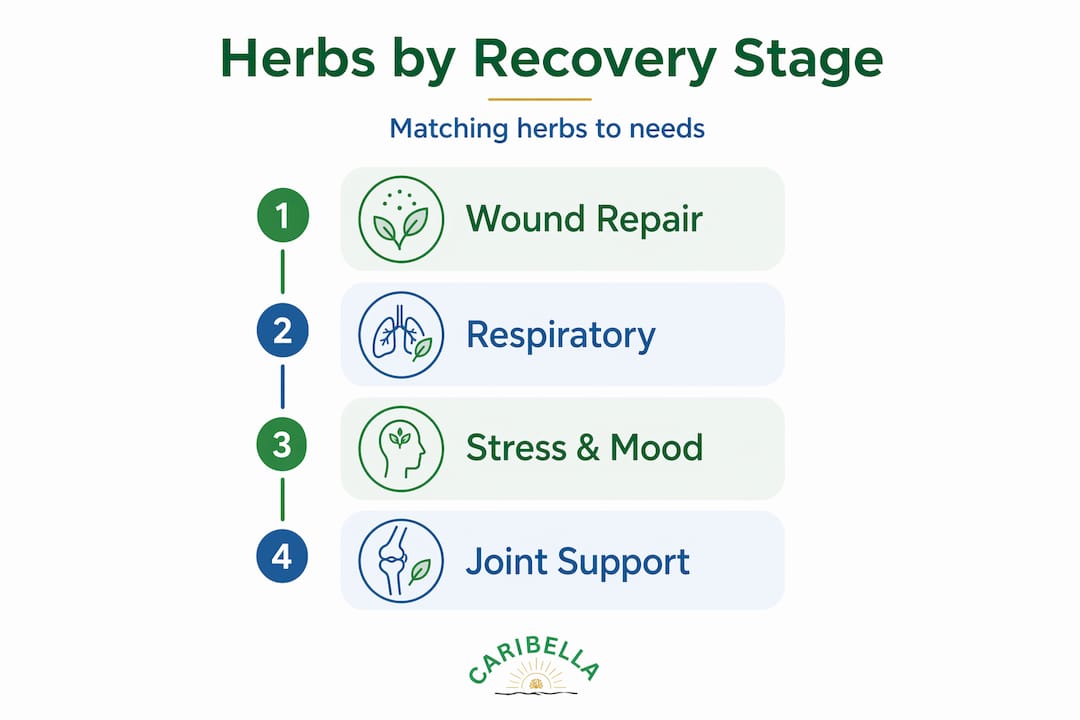
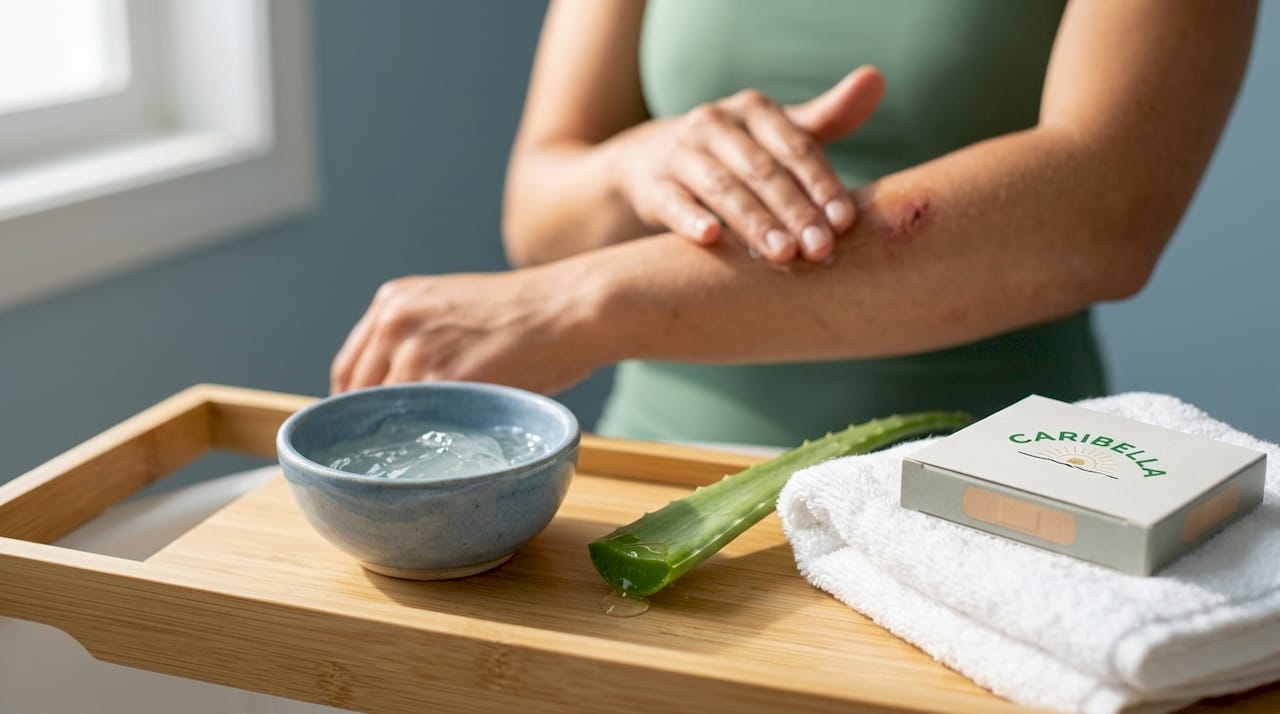
Wound and tissue repair
Aloe vera is one of the most clinically validated wound herbs available. Clinical evidence shows aloe gel reduces healing time of second-degree burns by approximately four days, consistent with its traditional use across dozens of cultures. For deeper tissue repair, Tridax procumbens and Heliotropium curassavicum extracts show strong profiles, particularly in topical applications.
Respiratory recovery
A systematic review of 94 reports and 66 randomised trials found that echinacea, elderberry, Pelargonium sidoides, turmeric, and ginger all reduce the severity and duration of respiratory tract infections. These are not fringe claims. They represent a substantial body of evidence for natural remedies for recovery from colds, flu, and chest infections.
Stress and mood recovery
Chamomile works gently on the nervous system through its apigenin content, which binds to GABA receptors and promotes calm without sedation. It is a practical daily-use herb rather than a high-dose therapeutic. Ashwagandha, discussed above, handles the deeper HPA-axis reset required after prolonged stress exposure. For women over 40 specifically, combining these herbs with a consistent routine produces measurably better outcomes. The Caribella resource on herbal teas for recovery goes into this in more detail.
The case for polyherbal approaches. A single herb targeting a single pathway rarely produces the breadth of support most people actually need during recovery. A formulation that pairs an anti-inflammatory herb with an antioxidant and an immune modulator covers more ground, with fewer gaps. This is the logic behind traditional herbal blends and it is now backed by solid pharmacological data on phytochemical synergy across multiple plant species.
You can also explore plant extracts and joint support for targeted anti-inflammatory options that complement a broader herbal recovery approach.
My honest take on herbs and recovery
I have spent years working with people who come to herbal wellness after conventional medicine has either not fully resolved their issue or has left them wanting a more natural path. What I have observed consistently is this: the people who get real results from herbs are the ones who treat them as a practice, not a purchase.
The expectation gap is the biggest problem. Someone takes turmeric for a week, notices nothing dramatic, and concludes herbs do not work. What they have actually discovered is that herbs do not work like ibuprofen. They accumulate. They calibrate. They work with your biology over time, not against your symptoms over a weekend.
I also think there is a real danger in over-relying on herbs while neglecting the basics. I have seen people invest heavily in herbal supplements while sleeping five hours a night and eating poorly. The supplements become a kind of permission slip to avoid the harder changes. Herbs are most powerful when sleep, nutrition, and movement are already in place.
The other thing I have come to believe strongly is that personalised advice matters enormously here. The right herbs for a 35-year-old woman recovering from burnout are not the same as the right herbs for a 52-year-old man recovering from knee surgery. If you are combining herbal treatments with any prescription medication, reading a practical guide to herbal supplement use before you start is not overcautious. It is just sensible.
Herbs are not magic. But used with knowledge, consistency, and respect for their real mechanisms, they are genuinely useful.
— Nicole
Supporting your recovery with Caribella
If you are ready to bring high-quality herbal support into your daily routine, Caribella makes it straightforward. Inspired by Caribbean plant traditions and crafted with carefully selected natural ingredients, our products are designed to complement a real recovery strategy rather than replace one.
Caribella’s herbal teas are blended to support relaxation, immune function, and energy across different stages of recovery. For a broader nutritional foundation, our sea moss gels deliver minerals and bioavailable nutrients that underpin tissue repair and overall resilience. If you want to explore holistic recovery practices beyond herbs alone, the Amrita guide to wellness retreats is a useful companion resource. As always, speak with your healthcare provider before beginning any new herbal protocol, especially if you take prescription medicines.
FAQ
What is the role of herbs in recovery?
Herbs support recovery by modulating inflammation, providing antioxidant protection, stimulating collagen synthesis, and balancing immune function. They work cumulatively alongside the body’s natural repair processes rather than replacing them.
How long do herbs take to show results in recovery?
Most herbal benefits for healing and recovery accumulate over weeks of consistent use. Adaptogens like ashwagandha typically require six to eight weeks of daily use before meaningful changes in stress and energy levels become noticeable.
Are herbal treatments safe to use with prescription medications?
Not always without guidance. Certain herbs, including turmeric and St John’s Wort, can alter drug metabolism and interact with anticoagulants or other prescription medicines. Always consult your GP or pharmacist before combining herbal and pharmaceutical treatments.
Which herbs are best for respiratory recovery?
A systematic review found that echinacea, elderberry, turmeric, and ginger all reduce the severity and duration of respiratory tract infections based on analysis of 66 randomised placebo-controlled trials.
Should I use a single herb or a combined formula for recovery?
Combined formulas generally produce stronger results. Polyherbal formulations allow multiple phytochemical compounds to target different recovery pathways simultaneously, producing synergistic effects that single herbs cannot achieve alone.