

If you’re navigating perimenopause or menopause and want to strengthen your body’s defences naturally, herbal remedies for immunity are worth understanding properly, not just reaching for. The trouble is that this life stage comes with real complications: shifting hormone levels, possible medications, and a body that responds differently to many plants and supplements. Some herbs interact with HRT. Others contain phytoestrogens that may not suit every woman. This article walks you through the criteria, the most useful herbs, and the honest evidence, so you can make informed choices rather than guesswork.
Table of Contents
- Criteria for choosing safe herbal remedies for immunity
- Herbs commonly used for immune support: benefits and cautions
- Herbal teas and micronutrients: supporting immunity through diet
- Phytoestrogenic herbs and hormone sensitivity concerns in menopause
- Comparison of popular herbal immunity remedies for menopausal women
- Rethinking herbal immunity support in menopause: expert perspective
- Discover trusted herbal wellness products for menopausal immunity support
- Frequently asked questions
Key Takeaways
| Point | Details |
|---|---|
| Safety first | Always consider product quality, potential interactions, and hormone sensitivity when using herbal immunity remedies. |
| Herbs complement treatment | Use herbal remedies alongside, not instead of, conventional medicine to support immune health safely. |
| Evidence varies | Echinacea and elderberry have some supportive evidence but are not guaranteed preventatives. |
| Nutrient support matters | Adequate vitamin D and micronutrient intake, especially in UK winters, are essential for immune modulation. |
| Personalise your approach | Consult healthcare professionals and monitor your supplement use closely for best menopausal wellness outcomes. |
Criteria for choosing safe herbal remedies for immunity
Not all herbal products are created equal, and for menopausal women, the stakes around quality and safety are higher than they are for a 25-year-old reaching for echinacea at a cold’s first sign. Before you choose anything, there are a few non-negotiables worth knowing.
Quality assurance matters enormously. Herbal products in the UK are not subject to the same pre-market rigour as licensed medicines. Adulteration is a real issue: independent testing has found some products contain heavy metals, unlisted pharmaceuticals, or simply far less active ingredient than claimed. Look for products that carry a Traditional Herbal Registration (THR) mark from the MHRA, or that are manufactured to pharmaceutical-grade standards.
Interactions do not always appear on the label. The NHS SPS guidance stresses the importance of quality assurance for herbal products, the risk of interactions, and the need to add all supplements to your medicines list. If you take warfarin, antidepressants, or any hormone therapy, this step is not optional.
Phytoestrogen content is worth scrutinising. Several popular immunity herbs also contain compounds that behave like oestrogen in the body. If you have a history of oestrogen-sensitive conditions, or if you are currently on hormone therapy, these plants require an extra layer of caution.
Key criteria to apply before purchasing any herbal product:
- Check for a THR certification or equivalent quality standard
- Add every new supplement to your complete medicines list and share it with your GP or pharmacist, following supplement safety communication tips
- Confirm whether the herb contains phytoestrogens if you have hormone-sensitive conditions
- Calculate your total daily dose if you are using multiple complementary products simultaneously
- Ask your GP about baseline liver and kidney function tests if you plan to use herbal products long term
- Follow a safe herbal remedies workflow for menopause to structure your approach
Pro Tip: Write down every supplement, tea, and remedy you take and bring that list to every appointment. Most interactions are missed simply because the conversation never happens.
Herbs commonly used for immune support: benefits and cautions
Understanding specific herbs gives you real leverage. Here are the most widely used immunity boosting herbs, with honest evidence and safety notes tailored to this life stage.
Echinacea is one of the most researched natural remedies for immunity. Echinacea shows consistent cold prevention evidence, though elderberry may reduce cold duration rather than prevent illness and evidence on other herbs remains limited. For menopausal women, the main cautions are allergic reactions (especially if you have ragweed or daisy family allergies), gastrointestinal upset, and the fact that long-term continuous use is not well studied.
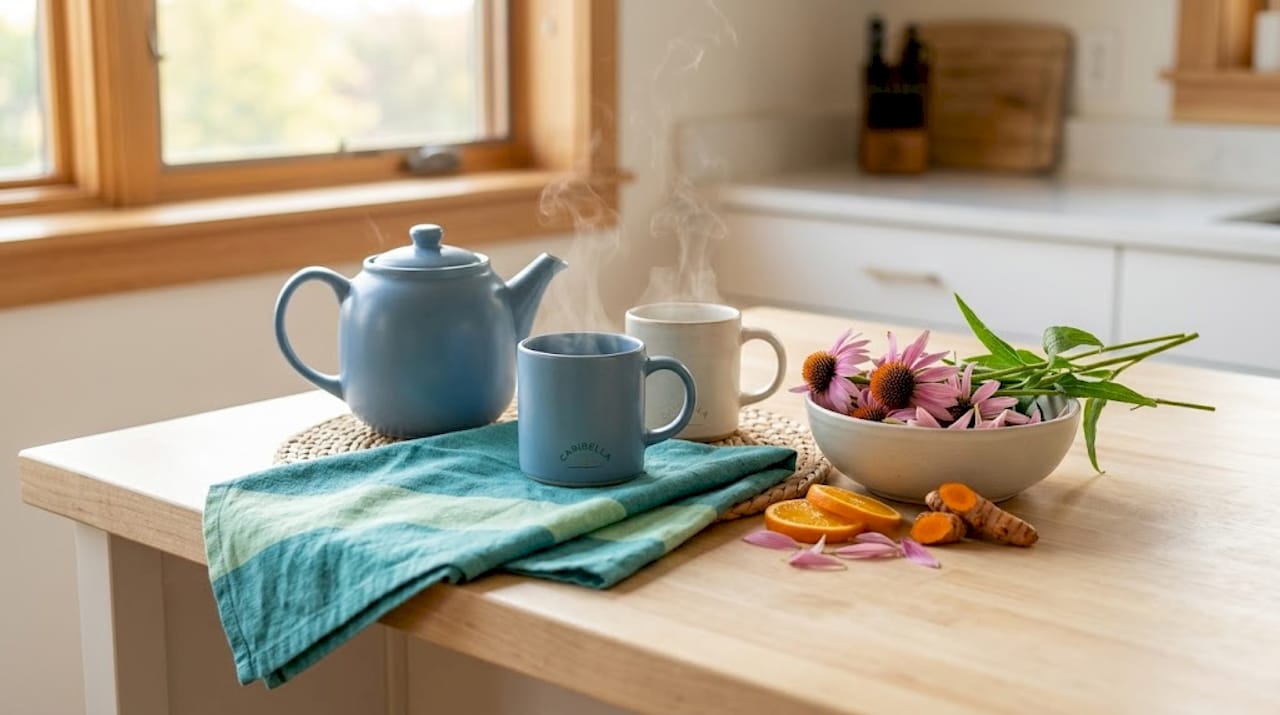
Elderberry is frequently marketed as one of the top herbal teas for immunity and is also available as syrups and capsules. Its evidence points toward reducing the severity and duration of a cold once you have one, not preventing it. This is a meaningful distinction. Do not rely on elderberry as a shield through winter.
Turmeric brings well-documented anti-inflammatory properties via its active compound curcumin, which is relevant to immune modulation. Inflammation is a driver of many immune-related complaints, and turmeric has genuine credentials here. The caveat is that bioavailability is low unless paired with black pepper (piperine).
Garlic and astragalus sit in the “traditional but not conclusively proven” category. Both are long-standing immunity boosting ingredients in herbal traditions worldwide, but clinical trials supporting direct immune benefits in humans remain limited.
Key cautions for this group of herbs:
- Never use these as replacements for conventional medical care
- Echinacea may cause allergic reactions in women sensitive to related plants
- Garlic in supplement form can interact with anticoagulant medications
- Astragalus is generally considered safe but long-term data in menopausal women is sparse
- A thorough herbal supplements guide for women over 40 can help you map what suits your current health picture
Pro Tip: Elderberry tea is a gentle, low-risk way to incorporate this herb into your routine. Think of it as supporting your recovery rather than building a forcefield.
Herbal teas and micronutrients: supporting immunity through diet
The phrase “immunity boosting tea” is everywhere, but the honest framing is this: herbal teas support immune health indirectly, mainly by contributing to hydration and delivering small amounts of micronutrients. Vitamin D and micronutrient adequacy are central to modulating immune response, and teas support hydration and nutrient intake rather than directly boosting immunity.
That said, the right tea can contribute meaningfully to a broader strategy. Hibiscus and rosehip teas provide vitamin C. Nettle tea contains iron and zinc. A well-chosen blend ticks several boxes at once.
In the UK, vitamin D deserves particular attention. Our latitude means genuine sun exposure is only achievable roughly between April and September, and even then, many women do not synthesise enough. Vitamin D is directly involved in regulating immune cell activity, and deficiency is common in the menopausal population. Supplementation at 10 micrograms daily is recommended by Public Health England for most adults through the winter months.
Micronutrients worth seeking in immune system boosting foods and teas:
- Vitamin C: found in rosehip, hibiscus, and many berry-based teas
- Zinc: present in nettle tea and pumpkin seed-based blends
- Selenium: often low in UK diets due to selenium-poor soils; some herbal teas include ingredients that contribute small amounts
- Vitamin E: available through plant-based foods and some herbal blends
Explore herbal teas designed for women’s wellbeing to find options that address both immune support and menopausal-specific concerns.
Pro Tip: Three cups of a well-chosen herbal tea daily will keep you hydrated, contribute micronutrients, and keep your focus on plants rather than ultra-processed snacks. That combination matters more than any single ingredient.
Phytoestrogenic herbs and hormone sensitivity concerns in menopause
This is where the conversation gets more specific and where many general wellness articles fall short. Several popular herbs contain phytoestrogens, plant compounds that mimic or influence oestrogen activity in the body. For menopausal women, particularly those with a history of breast cancer, endometriosis, or fibroids, these herbs require careful consideration.
Black cohosh is commonly recommended for hot flushes. It does not appear to act primarily through oestrogen pathways (its mechanism is more serotonergic), but it carries a risk of rare but serious hepatotoxicity (liver damage). Adulteration is also a significant concern with black cohosh products globally.
Red clover contains isoflavones shown to reduce hot flushes. However, phytoestrogen-containing botanicals raise safety concerns due to hormone sensitivity, unstandardised dosing, and potential herb-drug interactions. The isoflavone content in red clover products varies widely between brands, which makes consistent dosing difficult.
Key caution: If you are taking warfarin, tamoxifen, or any hormone therapy, speak with your GP before introducing any phytoestrogenic herb. The interaction potential is real and not always predictable.
Considerations when navigating phytoestrogens:
- Avoid assuming “natural” means safe for your specific hormone picture
- Adulteration in black cohosh products is well documented; only use THR-certified products
- Phytoestrogen safety for women over 40 varies significantly by individual health history
- Review safe herbal remedies for menopause for a structured decision framework
- Consult your GP or a menopause specialist before beginning any hormone-adjacent herbal protocol
Comparison of popular herbal immunity remedies for menopausal women
Most botanical immunity products lack definitive evidence and require cautious use alongside conventional care, though echinacea and elderberry have comparatively stronger backing with caveats.
| Herb | Primary evidence | Hormone sensitivity | Key interaction risks | Suitable for most menopausal women |
|---|---|---|---|---|
| Echinacea | Moderate: reduces cold frequency | Low | Possible with immunosuppressants | Yes, with allergy check |
| Elderberry | Moderate: reduces cold duration | Low | Minimal documented | Yes |
| Turmeric/curcumin | Anti-inflammatory; limited direct immunity proof | Low | Anticoagulants (high doses) | Yes, at culinary doses |
| Black cohosh | Reduces hot flushes; not immunity | High (hepatotoxicity risk) | Hepatotoxic drugs | Requires medical guidance |
| Red clover | Reduces hot flushes; isoflavone effects | High | Warfarin, tamoxifen | Requires medical guidance |
| Garlic (supplement) | Traditional; limited clinical proof | Low | Anticoagulants | Caution with blood thinners |
Key takeaways from this comparison:
- Elderberry and echinacea are the most accessible natural immunity boosters with the clearest safety profiles for most women
- Phytoestrogenic herbs (black cohosh, red clover) should never be self-prescribed by women with hormone-sensitive conditions
- Turmeric is an excellent addition to food and low-risk teas but should not be taken in high-dose supplement form without advice
- Your medication list is the single most important filter when evaluating any of these options
Rethinking herbal immunity support in menopause: expert perspective
Here is the uncomfortable truth that most wellness content avoids: the word “boost” in the phrase “immunity booster” is largely marketing language. Your immune system does not need boosting in the way a phone battery does. What it needs is not being undermined by deficiencies, chronic stress, poor sleep, and inadequate nutrition. Herbal supplements for immune health work best as part of that supporting structure, not as a standalone solution.
The second thing most articles do not say clearly enough is this: the biggest safety error women make with herbal immune products is treating them like food rather than medicines, which means overlooking possible unknown interactions and failing to disclose them to healthcare professionals. Herbal does not mean harmless. Plants are pharmacologically active. That is precisely why they work at all.
What genuinely delivers better outcomes for menopausal women is a layered approach: nutrient-replete diet with vitamin D covered, consistent sleep, managed stress, appropriate movement, and targeted herbal support from verified, high-quality products used with full transparency with your healthcare team. Personalised always beats generic. A herb that suits your colleague on similar medication may not suit you.
Do not conflate immune support with hormone balancing either. Many products blur these categories on purpose. Be precise about what you are actually trying to address before choosing.
Discover trusted herbal wellness products for menopausal immunity support
If you are ready to act on what you’ve learned here, Caribella’s product range is built with these principles in mind: quality ingredients, transparent formulations, and real awareness of what menopausal women actually need.
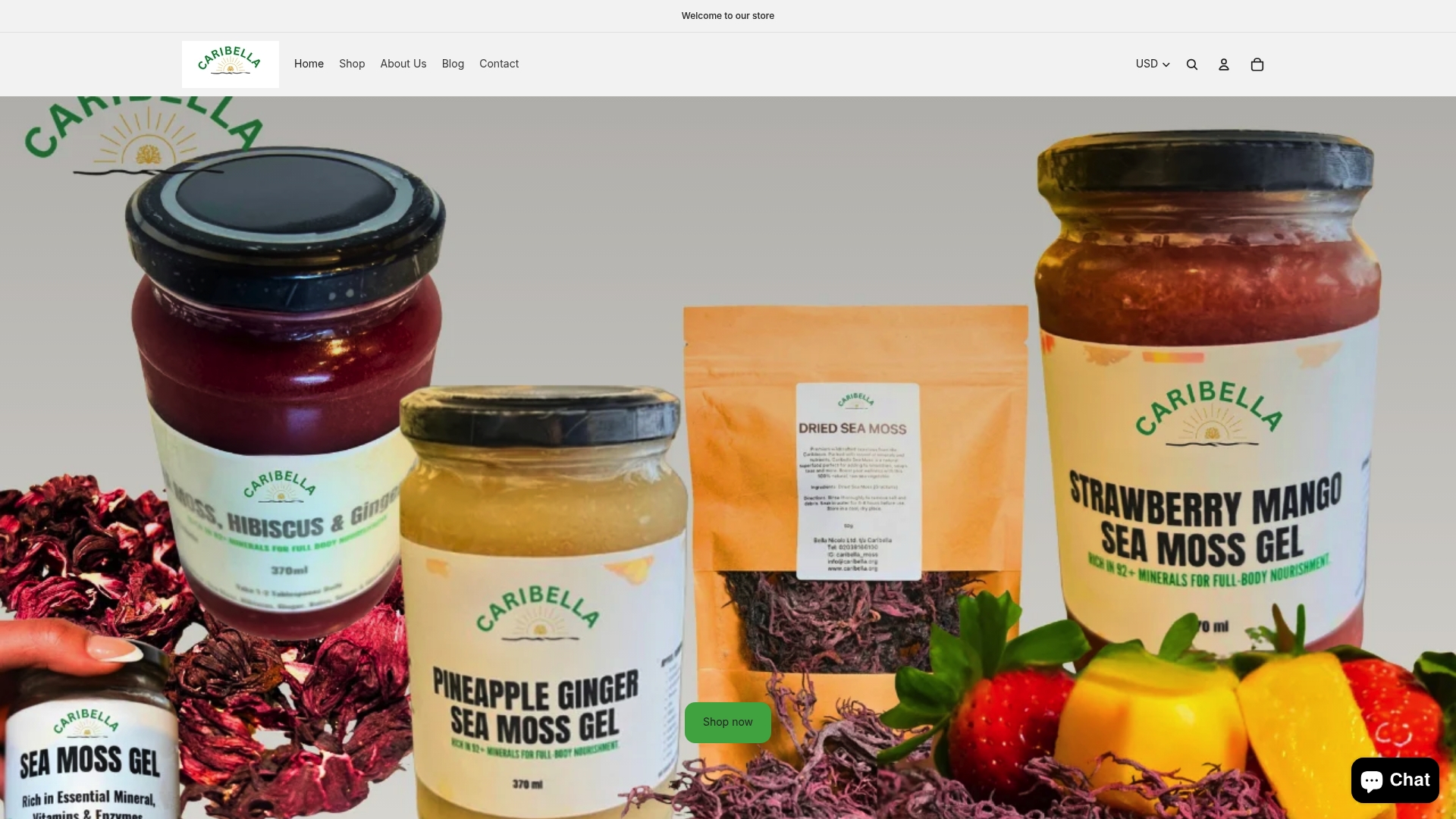
Our sea moss gels collection provides a nutrient-dense base that supports immune health and energy, drawing on Caribbean plant traditions. For daily tea rituals, our herbal teas collection includes blends designed specifically for immunity and menopausal wellbeing, combining ingredients like hibiscus, elderberry, and ginger with care. And for a more targeted approach, our hormone-balancing capsules are formulated for women navigating menopause who want natural, balanced support. As always, introduce new supplements gradually and share your full regimen with your healthcare provider.
Frequently asked questions
Can herbal remedies replace conventional immunity treatments during menopause?
No. Herbal products should complement conventional treatments and never replace them, as combining both approaches safely requires medical oversight.
Are phytoestrogen-containing herbs safe for menopausal women?
They require genuine caution: phytoestrogen-containing botanicals may affect hormone-sensitive conditions and interact with medications like warfarin or tamoxifen, so medical guidance is essential before use.
Which herbal remedy has the best evidence for preventing colds?
Echinacea has the most consistent cold prevention evidence among commonly used herbs, though allergy risks apply and it should be used in cycles rather than continuously.
How important is vitamin D for immune health in menopausal women?
Very. Vitamin D is critical for immune modulation and most UK women do not produce enough through winter months, making daily supplementation important alongside any herbal programme.