

Caribbean herbs for health are potent natural remedies drawn from a rich tradition of plant-based medicine practised across the islands for centuries. Herbs like graviola (soursop), noni, bitter melon, and sea moss sit at the intersection of ancestral knowledge and modern nutritional science. Interest in Caribbean medicinal plants has grown sharply among health-conscious adults seeking alternatives or complements to conventional care. This article profiles the ten most evidence-supported herbs, explains what the research actually shows, and tells you how to use them safely.
1. Caribbean herbs for health: why this tradition matters
Caribbean herbal medicine, known formally as ethnobotanical medicine in the Caribbean context, is not folk superstition. It is a structured body of knowledge built over generations, now attracting serious scientific scrutiny. The region’s biodiversity gives it an unusually rich pharmacopoeia, with plants that produce bioactive compounds rarely found elsewhere. Understanding which herbs have genuine clinical support, and which rely on tradition alone, is the starting point for using them well.
2. Graviola (soursop leaves)
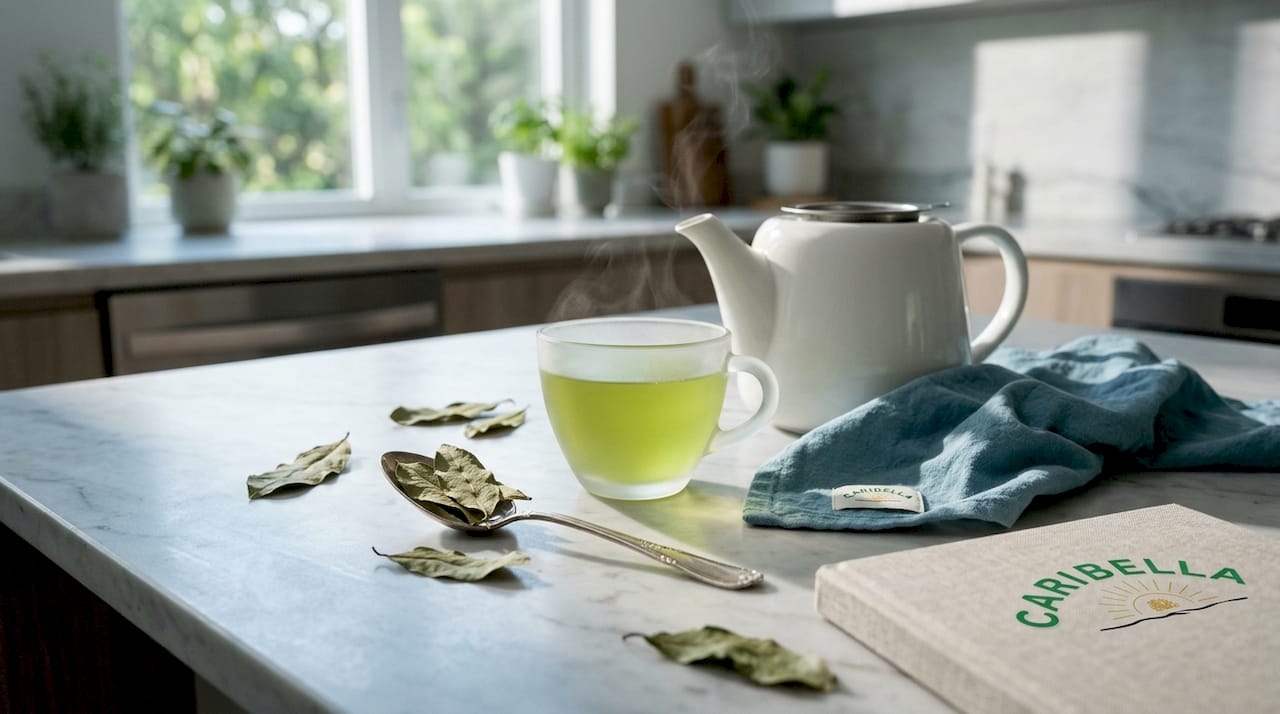
Graviola, derived from the Annona muricata tree, is one of the most widely recognised Caribbean medicinal plants. The leaves, fruit, and bark are all used traditionally for pain relief, inflammation, and as a general tonic. Animal and lab studies suggest anti-inflammatory and antimicrobial properties, though human clinical trials remain limited. The fruit itself is safe to eat, but concentrated supplements carry a different risk profile entirely.
- Traditional uses: fever reduction, pain relief, digestive support
- Active compounds: acetogenins, alkaloids, phenolic acids
- Precaution: herbal supplements can affect medication management; always disclose use to your doctor
Pro Tip: If you want to try graviola, start with the dried leaves as a tea rather than a concentrated capsule. Caribella’s wildcrafted soursop leaves offer a measured, traditional-use format that keeps potency manageable.
3. Noni (Morinda citrifolia)
Noni is a small tree native to the Pacific and Caribbean whose fruit, leaves, and roots have been used medicinally for over 2,000 years. Modern analysis confirms it contains over 200 phytochemicals with potential effects on insulin sensitivity, liver function, and blood pressure. That breadth of activity is genuinely impressive, though it also means noni interacts with multiple body systems simultaneously. Treat it as a promising candidate rather than a proven clinical intervention.
- Primary benefits: antioxidant, anti-inflammatory, potential blood sugar support
- Forms available: juice, capsules, dried fruit powder
- Precaution: multi-pathway metabolic effects make noni particularly important to discuss with a healthcare provider if you take blood pressure or diabetes medication
4. Bitter melon (Momordica charantia)
Bitter melon is arguably the most clinically studied Caribbean herb for metabolic health. A standardised 450 mg extract taken three times daily improved glycaemic control in adults with type 2 diabetes over three months, with HbA1c dropping significantly as an adjunct to existing medication. That is a meaningful clinical signal. It does not mean bitter melon replaces prescribed treatment, but it does mean the evidence base is stronger here than for most herbal remedies.
- Primary benefits: blood sugar regulation, anti-inflammatory, antiviral
- Forms available: fresh fruit, standardised capsules, tea
- Precaution: can lower blood sugar significantly; monitor levels closely if combining with diabetes medication
5. Sea moss (Irish moss / Chondrus crispus)
Sea moss is a red algae harvested across Caribbean coastlines and has become one of the most popular natural remedies from the region. It provides a broad spectrum of minerals including iodine, potassium, and magnesium, alongside prebiotic fibre that supports gut health. Unlike many herbs on this list, sea moss is consumed as a food rather than a concentrated extract, which makes its safety profile considerably more straightforward. Gels and capsules are the most convenient formats for consistent daily use.
- Primary benefits: digestive support, thyroid function (via iodine), immune health, skin hydration
- Forms available: raw, gel, capsules, powder
- Precaution: high iodine content means those with thyroid conditions should consult a doctor before regular use
6. Fever grass (lemongrass / Cymbopogon citratus)
Fever grass is the Caribbean name for lemongrass, and it is one of the most widely consumed herbal teas across the islands. It is used traditionally to reduce fever, ease anxiety, and support digestion. Laboratory studies confirm antimicrobial and anti-inflammatory activity from its primary compound, citral. As a tea, fever grass sits firmly in the culinary-use category, making it one of the safest and most accessible entry points into Caribbean herbal wellness.
- Primary benefits: digestive ease, mild sedative effect, antimicrobial
- Forms available: fresh stalks, dried tea, essential oil (not for internal use)
- Precaution: generally well tolerated; avoid in high doses during pregnancy
7. Moringa (Moringa oleifera)
Moringa is cultivated widely across the Caribbean and is sometimes called the “miracle tree” in regional wellness circles, though the science is more measured than that label suggests. The leaves contain concentrated amounts of vitamins A, C, and E, alongside iron and calcium. Moringa’s anti-inflammatory and antioxidant properties are well documented in preclinical studies, and it is increasingly used in capsule form as a daily nutritional supplement. It is one of the few Caribbean medicinal plants where nutritional density alone justifies regular use.
- Primary benefits: nutritional supplementation, anti-inflammatory, blood sugar support
- Forms available: dried leaf powder, capsules, tea
- Precaution: high vitamin K content may interact with blood thinners
8. Soursop fruit vs. soursop leaves: a key distinction
Many people use “soursop” and “graviola” interchangeably, but the fruit and the leaves carry different risk profiles. The fruit is nutritious and safe as a food. The leaves, bark, and seeds contain higher concentrations of acetogenins, the compounds studied for their biological activity. Herbs used as supplements require healthcare provider consultation precisely because concentration changes the equation. This distinction matters when you are deciding between eating the fruit and taking a leaf extract capsule.
9. Uvaria chamae (bush banana)
Uvaria chamae is less well known outside West Africa and the Caribbean but is widely used by traditional medicine practitioners for diabetes management and infectious disease treatment. A recent ethnobotanical survey found that 87.1% of practitioners use it regularly, yet 86.1% report its availability declining sharply. That gap between demand and supply is a conservation warning. If you source Uvaria chamae, verified ethical harvesting is not optional.
- Primary benefits: blood sugar management, antimicrobial, anti-inflammatory
- Forms available: bark decoctions, dried preparations
- Precaution: limited clinical data; use only under practitioner guidance
10. Turmeric (Curcuma longa) in Caribbean tradition
Turmeric arrived in the Caribbean via Indian indentured labourers in the 19th century and has been fully absorbed into regional herbal practice. Its active compound, curcumin, is one of the most studied anti-inflammatory agents in natural medicine. Caribbean preparations typically combine turmeric with black pepper, which increases curcumin bioavailability significantly. For joint pain and inflammatory conditions, holistic approaches including turmeric are increasingly supported by integrative health practitioners.
- Primary benefits: anti-inflammatory, antioxidant, joint support
- Forms available: fresh root, powder, capsules, golden milk
- Precaution: high doses may interact with blood thinners and certain chemotherapy drugs
Comparing Caribbean herbs by health application
The table below organises the top herbs by their primary health application, typical delivery format, and the current strength of clinical evidence. This helps you match the right herb to your specific concern.
| Herb | Primary application | Best format | Evidence level |
|---|---|---|---|
| Bitter melon | Blood sugar regulation | Standardised capsule | Moderate (clinical study) |
| Noni | Metabolic and cardiovascular support | Juice or capsule | Preliminary (in vitro/in vivo) |
| Sea moss | Digestive and immune health | Gel or capsule | Nutritional evidence |
| Graviola (leaves) | Anti-inflammatory, antimicrobial | Tea or capsule | Preclinical only |
| Fever grass | Digestive ease, mild anxiety relief | Tea | Traditional and lab data |
| Moringa | Nutritional supplementation | Powder or capsule | Nutritional and preclinical |
| Turmeric | Joint and inflammatory support | Capsule with black pepper | Moderate (curcumin trials) |
| Uvaria chamae | Blood sugar, infection | Bark decoction | Traditional use only |
One pattern stands out clearly: the herbs with the strongest clinical evidence, bitter melon and turmeric, are also the ones most available in standardised extract form. Standardised extracts at defined doses are what clinical studies actually test, which makes translating traditional home brews to therapeutic outcomes genuinely difficult.
How to use Caribbean herbs safely
The single most important rule is to treat any concentrated herbal supplement the same way you would treat a pharmaceutical. Culinary use of fever grass tea or fresh bitter melon in cooking carries minimal risk. Capsules and standardised extracts are a different matter entirely.
- Consult your doctor first, particularly if you take medication for blood sugar, blood pressure, or thyroid function. Noni, bitter melon, and moringa all interact with these systems.
- Disclose everything. Healthcare providers need to know about herbal supplement use to manage your care safely. Many patients omit this, which creates real clinical risk.
- Start with food-grade formats. Teas and culinary preparations are the lowest-risk entry point. Move to capsules only when you have a specific, evidence-supported reason.
- Source matters. The sourcing origin affects chemical composition and therapeutic consistency. Buy from suppliers who can verify origin and harvesting method.
- Respect dosing windows. Bitter melon’s clinical evidence is based on 450 mg three times daily for three months. Doubling the dose does not double the benefit and may increase side effects.
Pro Tip: Keep a simple log of any herbal supplement you introduce, noting the dose, format, and any changes you notice. This gives your doctor useful information and helps you identify what is actually working.
For women over 40 considering herbal supplements alongside other health priorities, Caribella’s guide for women 40+ covers interactions and clinical guidelines in practical detail.
Sustainability and sourcing: what you need to know
The quality of Caribbean medicinal plants is directly tied to where and how they are harvested. This is not a minor consideration. Sourcing location affects the concentration of active compounds, which affects whether the herb actually does what you expect it to do.
- Declining availability is real. For Uvaria chamae, 86.1% of practitioners report declining availability, with few conservation measures in place. Demand is outpacing responsible supply.
- Wild-harvested does not automatically mean better. Overharvesting degrades plant populations and can reduce the consistency of active compound levels. Cultivated sources with verified growing conditions often outperform wild-harvested equivalents.
- Ask for origin information. Reputable suppliers can tell you where their herbs were grown or harvested. If a supplier cannot answer that question, that tells you something important.
- Support certified ethical sourcing. Look for suppliers who work directly with Caribbean farming communities and can demonstrate sustainable harvesting practices. This protects both the plant populations and the communities that depend on them.
Key takeaways
Caribbean herbs deliver genuine health benefits when matched to the right application, used in the correct format, and sourced responsibly.
| Point | Details |
|---|---|
| Match herb to condition | Bitter melon suits blood sugar support; sea moss suits digestion and immunity; turmeric suits inflammation. |
| Format determines risk | Teas and food-grade use carry low risk; concentrated capsules require medical consultation. |
| Evidence varies widely | Bitter melon and turmeric have moderate clinical evidence; graviola and Uvaria chamae rely on preclinical data. |
| Sourcing affects efficacy | Origin and harvesting method directly influence active compound levels and therapeutic consistency. |
| Herbs complement, not replace | Use Caribbean herbal medicine alongside, not instead of, prescribed treatments where clinical evidence is limited. |
What I have learned from years of using Caribbean herbs
I have been working with Caribbean herbs long enough to have moved past the initial excitement and arrived somewhere more useful: realistic respect. The herbs on this list are not magic, but they are not marketing either. Bitter melon genuinely moved the needle on blood sugar markers in a well-designed study. Sea moss provides a mineral profile that most Western diets simply do not deliver. These are real effects worth taking seriously.
What I have found frustrating is the gap between how these herbs are sold and what the evidence actually supports. Graviola is frequently marketed with cancer-adjacent language that the clinical evidence does not justify. That kind of overclaiming damages trust in the entire category and puts people at risk when they substitute herbs for treatments that actually work.
My honest position is this: Caribbean herbal medicine is most valuable as a complement to conventional care, not a replacement for it. Fever grass tea before bed is a genuinely pleasant and mildly effective way to ease anxiety. Bitter melon capsules alongside metformin, with your doctor’s knowledge, may improve glycaemic outcomes. Sea moss gel as a daily mineral supplement makes nutritional sense. None of these require you to believe extraordinary claims. They just require you to be informed, consistent, and honest with your healthcare provider.
The herbs that have stayed in my own routine are the ones with the clearest evidence and the lowest interaction risk: sea moss, moringa, and turmeric with black pepper. I treat everything else as a considered experiment, not a protocol.
— Nicole
Discover Caribella’s Caribbean herbal wellness range
Caribella brings the health benefits of Caribbean herbs into formats that fit your daily routine without compromise on quality or authenticity.
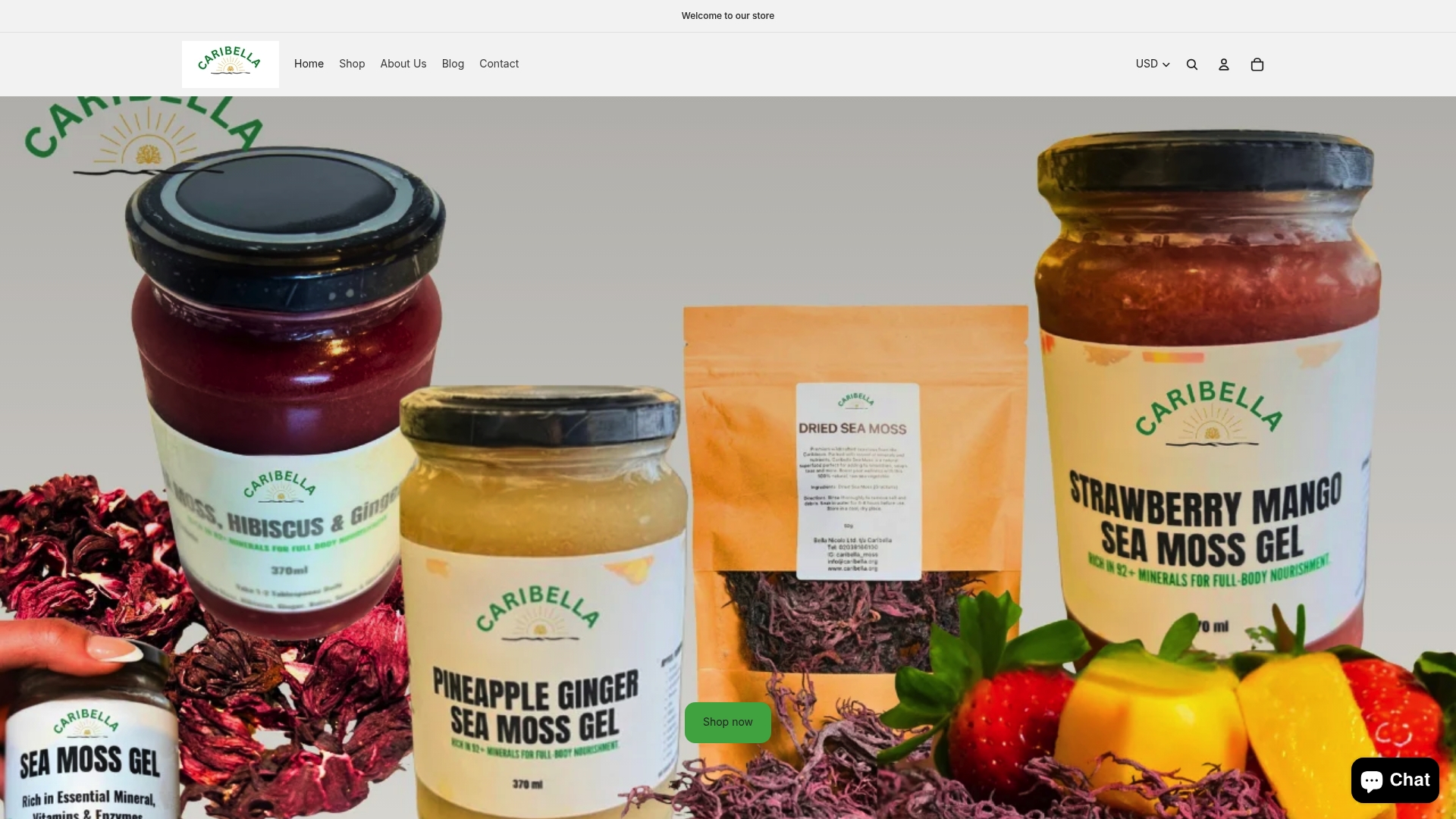
Caribella’s sea moss gels are made from carefully sourced Caribbean sea moss and deliver the mineral-rich benefits of this traditional plant food in a convenient, ready-to-use gel. The herbal tea collection draws directly from Caribbean tradition, featuring herbs like fever grass and soursop leaves prepared to consistent quality standards. For women seeking targeted herbal support, the women’s wellness capsules combine Caribbean herbal wisdom with modern formulation. Every Caribella product is plant-based, authentically inspired, and designed to support energy, digestion, and immunity in a format you can trust.
FAQ
What are the most studied Caribbean herbs for health?
Bitter melon (Momordica charantia) and turmeric (Curcuma longa) have the strongest clinical evidence among Caribbean herbs, with standardised extract studies showing measurable effects on blood sugar and inflammation respectively.
Is it safe to take Caribbean herbal supplements daily?
Food-grade preparations like sea moss gel and fever grass tea are generally safe for daily use. Concentrated capsules of herbs like graviola or noni require healthcare provider consultation, particularly if you take prescription medication.
Can Caribbean herbs replace prescribed medication?
Caribbean herbs should be used as complements to, not replacements for, prescribed treatments. Expert guidance consistently advises using herbs as adjuncts where clinical evidence for standalone use is lacking.
How do I choose a quality Caribbean herbal product?
Look for suppliers who can verify the origin and harvesting method of their herbs, as sourcing location directly affects active compound levels and therapeutic consistency. Standardised extracts with defined dosages offer the most reliable results.
Which Caribbean herb is best for digestion?
Sea moss is the strongest option for digestive support among Caribbean medicinal plants, providing prebiotic fibre that supports gut motility and a mineral profile that supports overall gut health.